
France has just done something with electric cars that Spain should copy.
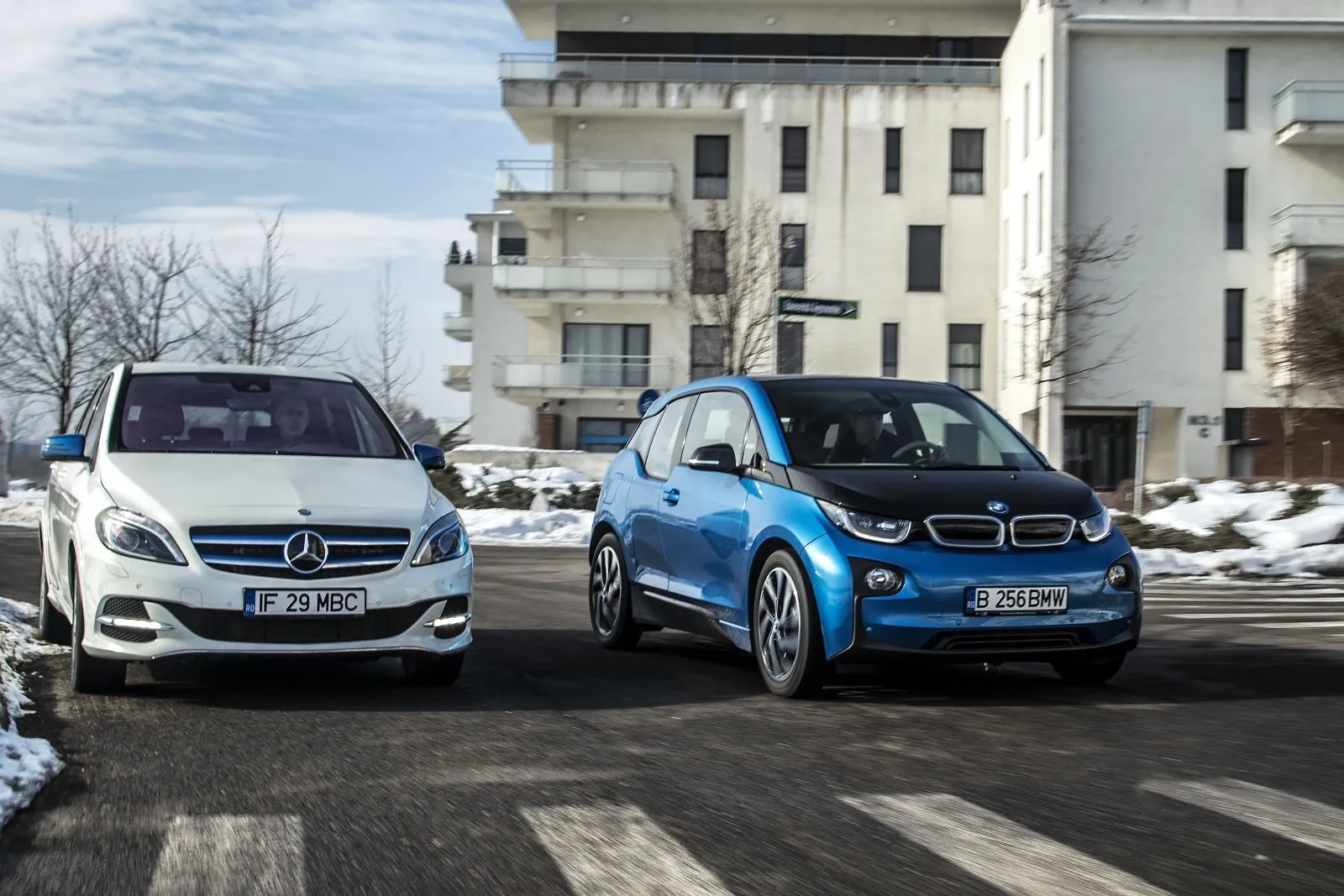
France has just introduced a measure aimed at giving a significant boost to the electric vehicle market. Starting September 1, purchasing used electric cars can qualify for financial assistance. This is particularly attractive for a market like Spain, where price remains one of the main barriers to switching to electric vehicles.
The French measure is funded through the energy savings certificate system and is designed to make it easier to access electric cars that have already had a first owner. Not all models qualify for the program, as there are requirements related to registration date, battery condition, and how the vehicle was acquired.
Only used electric cars registered in France for the first time between January 1, 2017, and December 31, 2023, are eligible. Additionally, the vehicle must be purchased or rented through an authorized professional, so transactions between private individuals are excluded from this subsidy. In the case of renting, the contract must have a minimum duration of 36 months, while in the case of purchasing, the owner must commit to keeping the car for at least three years.
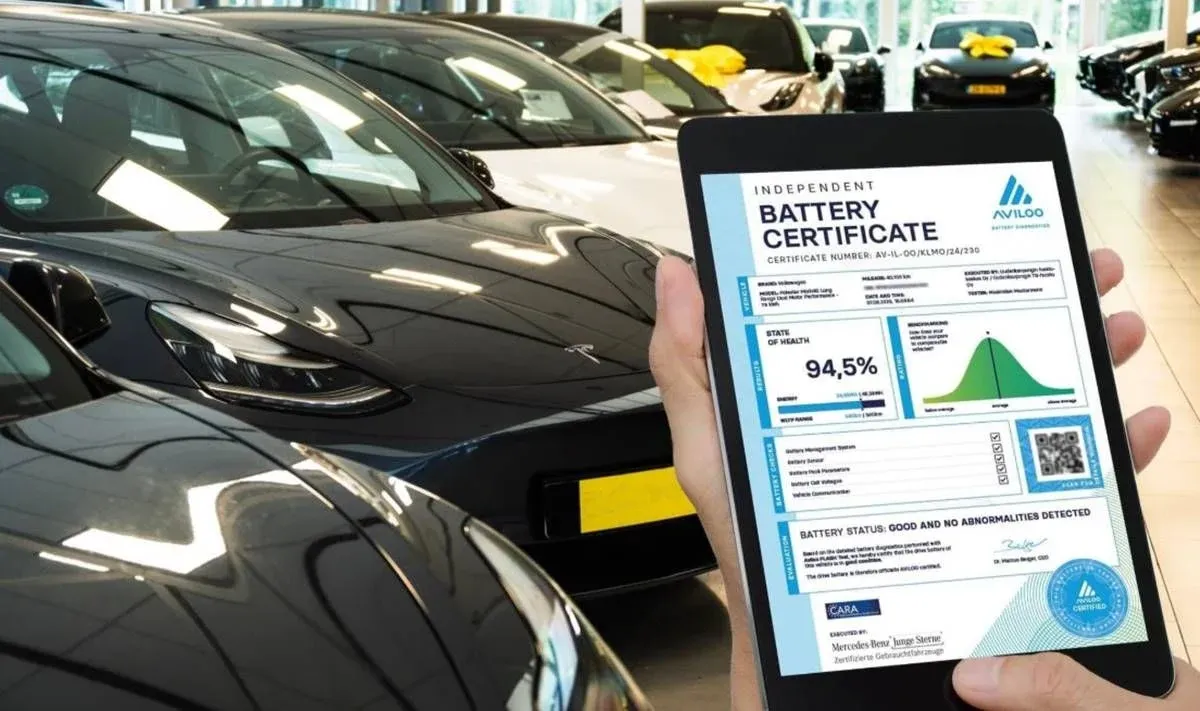
This is where one of the most interesting aspects of the French initiative comes into play: the battery also must prove it is in good condition. The main requirement is that it retain at least 80% of its initial capacity. In this way, the incentive doesn’t simply encourage the purchase of any used electric car; it instead establishes a minimum guarantee for the condition of one of its most important components.
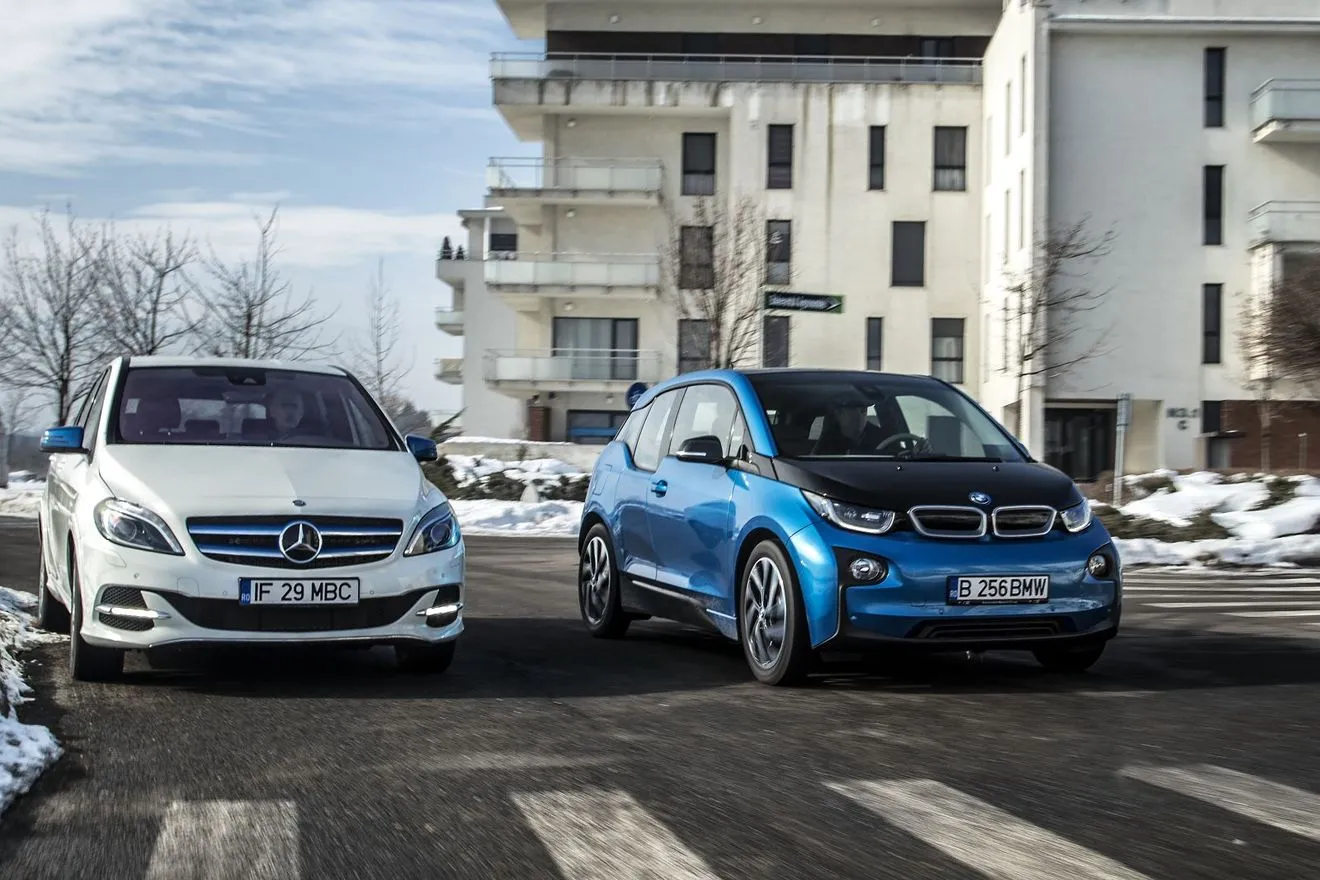
If there is no certificate proving that 80% of the capacity is maintained, the vehicle’s range can also be used as a reference. In this case, it must retain at least 200 kilometers of range or 80% of the range it had when it was certified. For example, an electric car originally certified for 300 kilometers would need to maintain at least 240 kilometers to meet this requirement.
This is a reasonable condition, especially when dealing with electric cars that are several years old. A used car buyer needs more information than just the registration year and mileage. Knowing the actual condition of the battery can make a difference between finding a good deal and purchasing a car that has lost much of its range.
A subsidy with no income limit and an additional 2,000 euros in certain cases
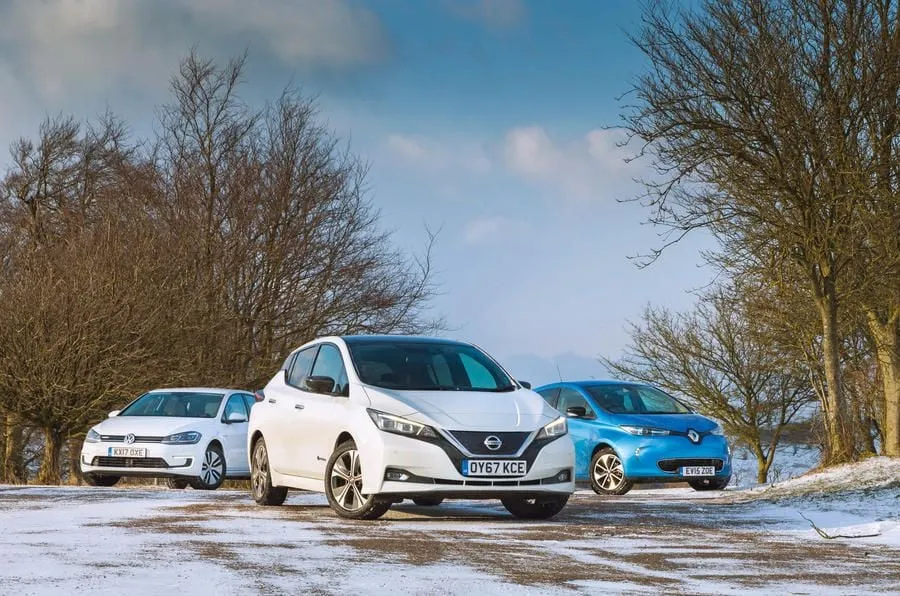
Another key difference from some traditional subsidies is that there is no income limit to qualify for this grant. In principle, anyone who meets the program’s requirements can apply. However, there is no fixed amount for all buyers, as the sum depends on the energy provider managing the subsidy through the energy savings certificate system.
This means the buyer will need to compare the different offers available before closing the deal. The French government itself recommends doing this, as the final amount can vary depending on the company managing the subsidy. The dealership or authorized professional handles the application process, simplifying things for the buyer.
But there is a group that can benefit from an even more attractive subsidy. Home care workers and the services employing them can receive an additional bonus of around 2,000 euros per vehicle, a measure designed to make it easier for professionals who rely on cars to travel between homes daily to access an electric vehicle.
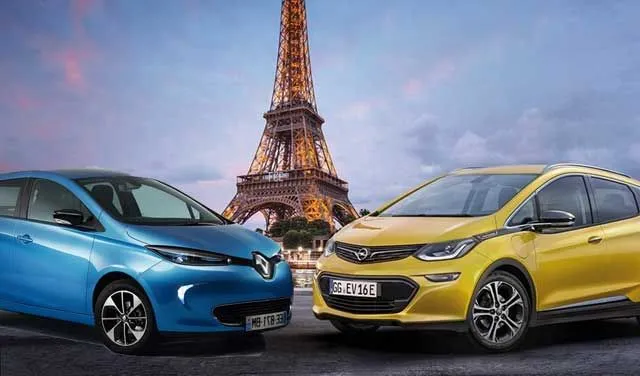
This additional support is initially intended for transactions completed by the end of 2026 and comes with certain extra requirements. The used electric vehicle must have a maximum price of 25,000 euros, including taxes, and its curb weight must be under 1,800 kilograms. It must also meet the other general conditions of the program, including the date of first registration and requirements related to battery condition.
This measure is particularly interesting because it addresses one of the ongoing problems in the electric car market: the high entry price of new models. While manufacturers continue to strive to reduce costs and introduce more affordable models, the used car market offers a much more accessible option for those who want to switch from internal combustion engines without bearing the cost of a new car.
And this is where Spain should pay attention. Spain’s market has an increasingly large fleet of electric cars entering the used car market, but there is still some uncertainty among buyers regarding the condition of their batteries. Assistance tied to an objective check of battery condition could help build confidence and, at the same time, accelerate the renewal of the vehicle fleet.
In addition, such a measure would have a far broader impact than simply reducing the cost of buying a used electric car. It would enable first-time owners to switch vehicles and make those cars available to new buyers at lower prices, creating a more liquid used market.
France has chosen to use energy efficiency certificates to fund this initiative, so that the cost of the support does not fall directly on a traditional budget line. The system also allows for adjusting the amount offered by participating companies, rather than imposing a single fixed amount for all buyers.
For Spain, this model is interesting for another reason. The used electric car market still needs to grow so that these vehicles are no longer associated exclusively with buyers who have high budgets. A specific, straightforward subsidy linked to the actual condition of the battery could be a much more useful tool than merely encouraging the purchase of new cars.
In France, the government has also set a limit of five used electric cars per person who can benefit from this incentive. Therefore, this measure is primarily aimed at facilitating the renewal of the vehicle fleet and giving individuals and professionals access to used vehicles, rather than becoming a method for mass car purchases.
The message for Spain is quite simple. If one wants to rapidly increase the number of electric cars on the road, it is not enough to focus only on new vehicle registrations. An important part of the effort lies in ensuring that these cars end up in the used car market a few years later at reasonable prices, with reliable information about their battery condition.