
France consults on revised funding criteria for EVs
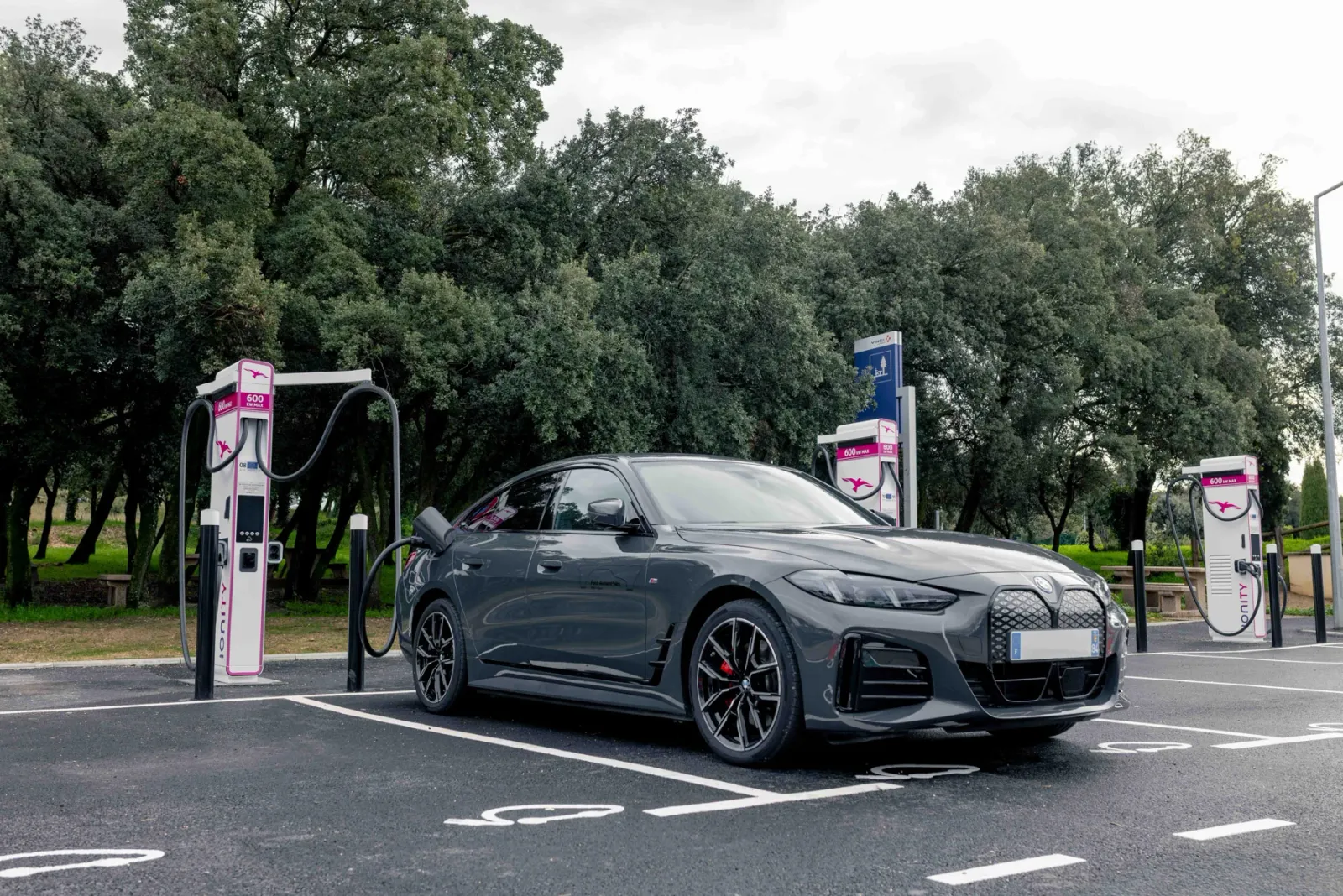
France's Ministry of Ecological Transition has launched a consultation around the criteria for environmental assessment of EVs. In France, this assessment determines the eligibility of electric cars for subsidies. The aim is to introduce a third vehicle category, which could also lead to stricter subsidy criteria for the previously dominant category.
Image: Ionity
Since the end of 2023, France’s direct purchase subsidy for electric vehicles has been tied to an ‘environmental score’. This means that eligibility for funding depends on the CO₂ emissions generated during the production and transport of the vehicles. In essence, this is a veiled “Made-in-Europe” strategy, as coal-powered electricity and long transport routes effectively disqualify Chinese-made electric vehicles from receiving the purchase premium. Although the subsidy was renamed “Véhicule Particulier Électrique” and its financing method was changed some time ago – with energy suppliers now covering the costs via the so-called CEE system rather than the state – the link to the ‘environmental score’ remains in place to this day.
However, the system could now face reform: France’s Ministry for Ecological Transition has launched a consultation, running until 7 October, to refine the score. At the heart of the proposed changes is the introduction of a third vehicle category. Currently, there are evaluation criteria for two categories: one for vehicles with at least five seats, a boot capacity of at least 200 litres, and an electric range of at least 170 km – and another for all other vehicles. The issue is that almost all vehicles fall into the first category, prompting the government to subdivide it further.
The draft proposal now envisages creating a category for larger electric vehicles (with at least seven seats, a boot capacity of at least 410 litres, and an electric range of at least 550 km). The crux of the matter is that this new category is set to adopt the current CO₂-equivalent requirements for five-seaters, as highlighted by the portal _Automobile Propre_. Currently, the maximum allowed CO₂-equivalent value for funding eligibility is 21,000 kg. Under the new proposals, seven-seaters would inherit this threshold, while five-seaters would face a stricter limit of 19,300 kg CO₂-equivalent. As a result, some models currently eligible for funding could lose their eligibility.
That said, it remains to be seen whether the third vehicle category will indeed be introduced and whether the proposed thresholds will be implemented as outlined in the draft – this will only be decided after the consultation period.
eletric-vehicles.com, automobile-propre.com,