
Solar power on farmland? The answer remains no, even if the land is uncultivated.
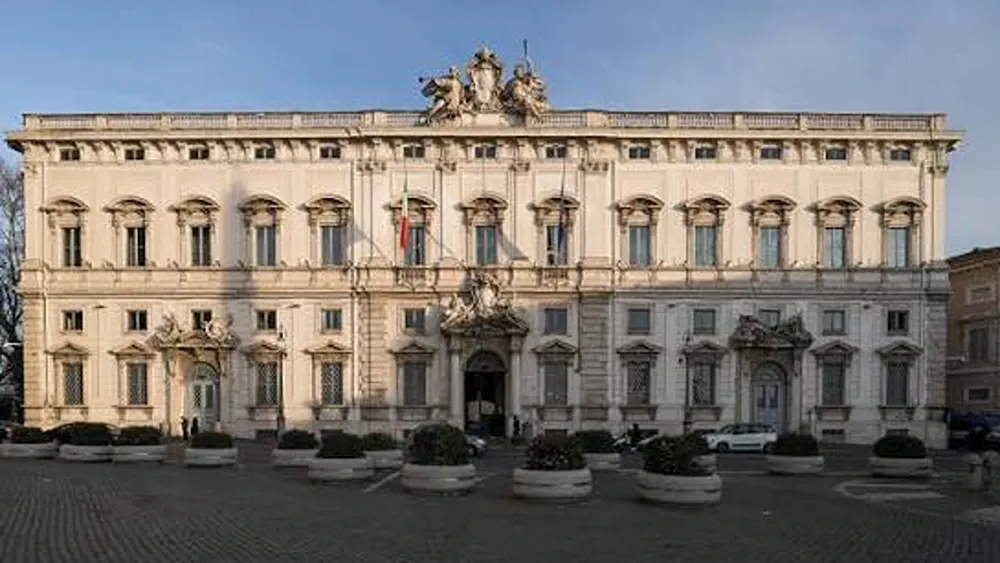
The Constitutional Court has reaffirmed its ban on ground-mounted photovoltaic systems in agricultural areas, as stated in Judgment No. 184. However, note that this is not an absolute prohibition on renewable energy in rural areas. Agrivoltaic systems and certain exceptions, such as those allowed by energy communities and in areas already degraded, remain permitted. Yet, according to Agea, Italy has about 3.7 million hectares of abandoned agricultural land, accounting for nearly one-third of the country’s total agricultural area of 12 million hectares. There is much outcry over the encroachment on agricultural land, but millions of hectares remain uncultivated due to a lack of labor, investment, and profitability. This issue is more related to Italy’s structural agricultural crisis than to energy speculation.
The reasons given by the Lazio Administrative Court are inadmissible and unfounded; the ban is not unconstitutional.
The Agriculture Decree was approved a long time ago, but there have been numerous appeals from the Lazio Administrative Court against regulations restricting ground-mounted photovoltaic systems in agricultural areas. The Constitutional Court reviewed these appeals and rejected them. Some of the administrative court’s objections could not even be considered because they were poorly formulated (inadmissible), while the others were examined on their merits and found to be unfounded, meaning they lacked sufficient reasons to declare the contested regulations unconstitutional.
The key phrase: “partially inadmissible and partially unfounded.” According to the Court, the legislator legitimately balanced the protection of agricultural land with the goals of renewable energy development.
It is not an absolute ban on renewable energy on agricultural land: exceptions and agrivoltaics exist.
Be aware that the limit does not translate into an absolute ban, as emphasized by the Court: “The contested regulation does not prohibit indiscriminately the installation of all facilities for the production of
Solar energy in agricultural areas, but only that from photovoltaic systems with panels installed on the ground.” These can also be installed, but not on any agricultural land. Here are the main exceptions: energy communities and installations in quarries, mines, and other already degraded areas. Regarding the latter, we recall the no-build zones along highways and areas within industrial facilities.
Emilia Romagna: Confusion Over Agrivoltaics
Yet, paradoxically, there have been objections from the left and surrounding areas to installations on land near highways, according to Alessio Mammi, the agriculture minister of Emilia Romagna. It even reached absurd and ridiculous levels with the first version of the law on suitable areas in Sardinia, which restricted panel installation on a warehouse simply because it was two kilometers away from a nuraghe.
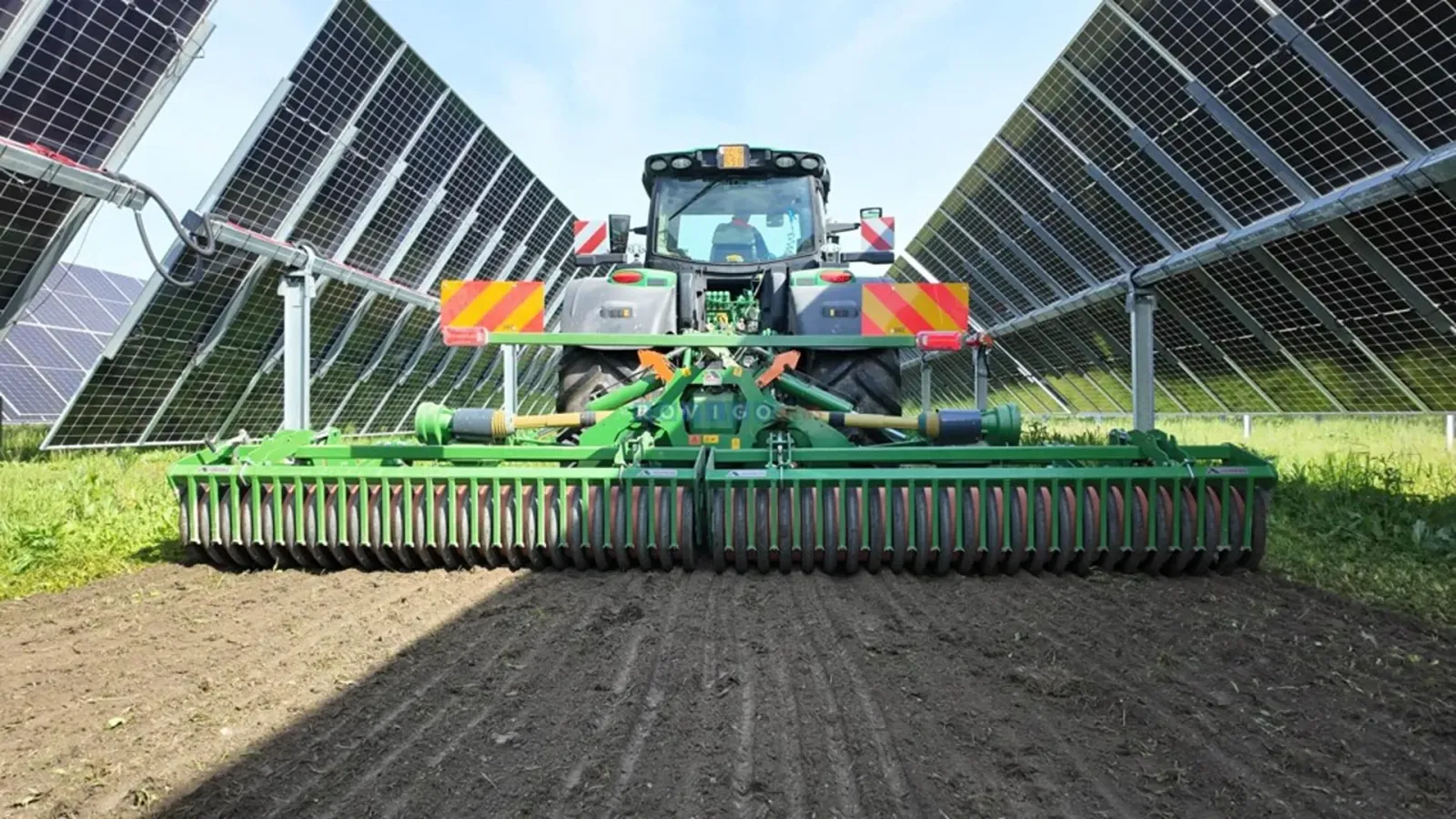
Another section is dedicated to agrivoltaics, where there is no prohibition; however, the installation may still be rejected during evaluation by the ministry. Thus, according to the court, “agrivoltaic installations with modules not placed on the ground that preserve the continuity of agricultural and agropastoral activities at the installation site are permitted.” Despite opposition from various local committees, several installations funded by Pnrr resources are being launched in recent weeks.
European goals are not compromised
The Court is very clear in its ruling, emphasizing that “the restrictions introduced must not undermine the achievement of European goals regarding renewable energy.” One of the parties also requested that the Constitutional Court seek an opinion from the European Court of Justice, arguing that the Agriculture Decree might conflict with European law. However, the judges see no legal doubt sufficient to justify referring the case, so they decided on their own without consulting the European Court.

Another key point concerns the economic sustainability of investments. The Court ruled that the higher cost of agrivoltaic installations is not a sufficient reason to compromise the protection of agricultural land. According to the Court, legislators can legitimately prioritize solutions that allow agricultural activities to continue, even if they are less advantageous for those in the energy sector.
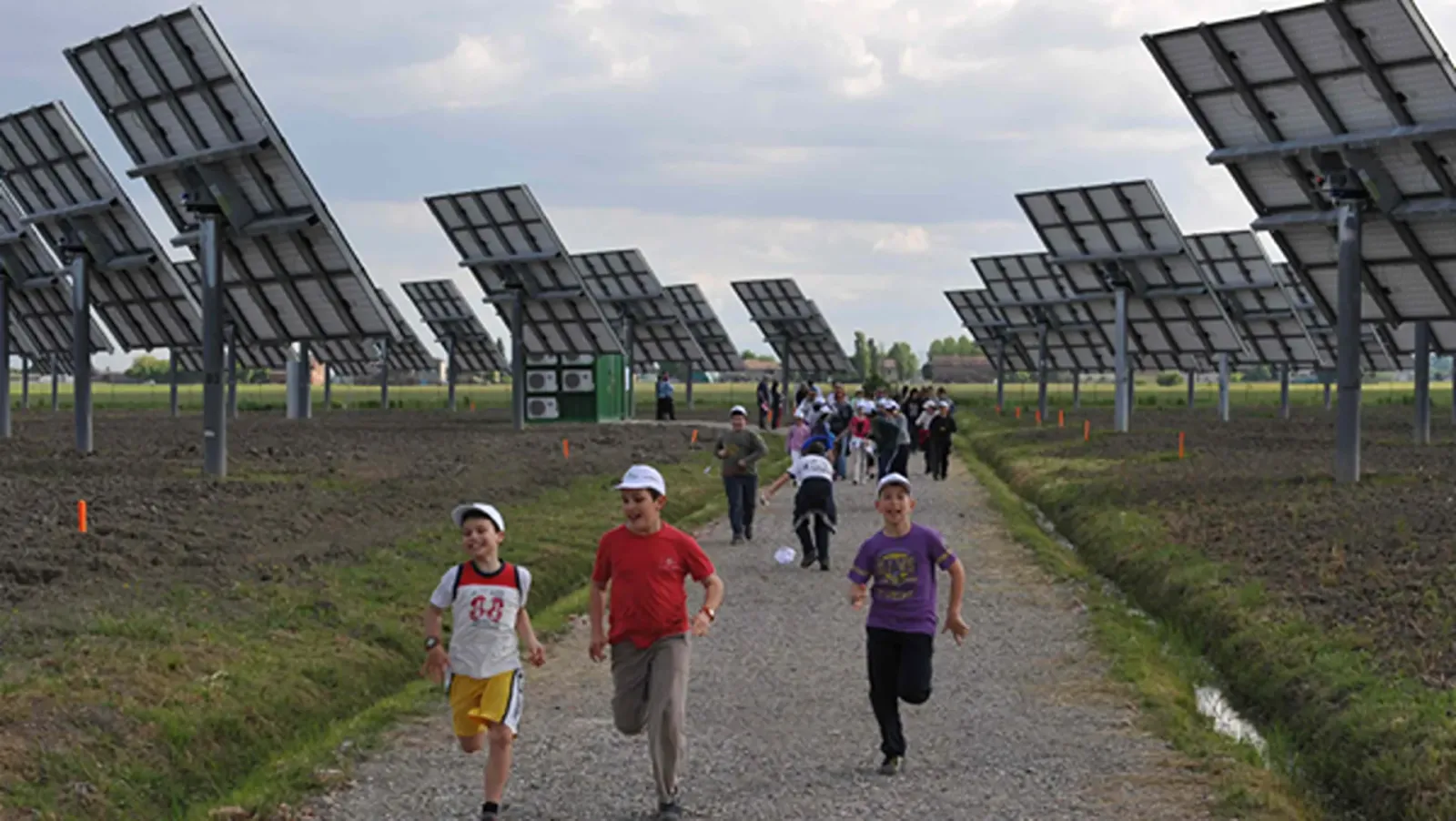
We mentioned the 3.8 million hectares of uncultivated land. But for the Court, if each case had to be evaluated individually to determine whether a piece of land is actually cultivated, under-cultivated, temporarily abandoned, or degraded, it would create enormous uncertainty and thousands of disputes. This is true, but in some cases where the soil is completely degraded and unproductive, investing in renewables could enable low-cost energy production. This could help address many protests from local groups, which are also based on the argument that “energy costs don’t drop on the bill with photovoltaic systems.”
READ ALSO: Sardinia, buffalo festival against renewables, and watch the VIDEO
Previous Article
EICMA 2026: Nerva unveils Kory, a high-wheeled e-scooter for urban use
Next Article
Do 500 and Vespa have an electric future or...?