
More Norwegian ships will become fully battery-powered.
More Norwegian ships will now run entirely on electricity, not just partially.
11/06/2026 12:19 | Updated 12:50
According to Enova in a press release, the plan is for ships to switch to fully charged batteries in ports, thus avoiding the need to wait for charging.
- Norwegian shipbuilding is far ahead in the development of battery-powered ships. Nearly one in three battery-powered ships in the world are Norwegian, says Climate and Environment Minister Sigrun Aasland.
- Now we are taking another step, from using batteries to reduce fuel consumption to being able to power entire ships with batteries. With Enova’s support, we are helping to develop new solutions that can cut emissions from shipping and make this technology accessible to more people, continues Aasland.
12 Battery-Powered Ships and Two Charging Facilities
Enova is now allocating 420 million kroner for 12 battery-powered ships and two charging facilities.
The funding will support the conversion of freight ships, the construction of new freight ships, and new workboats for the seafood industry.
The electrification of these 12 ships is expected to reduce emissions by around 21,300 tons of CO₂ per year.
“If the projects Enova is supporting now succeed, shipbuilding can take a significant step toward fully electric operation of multiple ships,” says Andreas Forsnes Jahn, Enova’s head of maritime electrification.
Increasing Independence from Subsidies
According to Enova, applicants in the shipbuilding industry are now requesting significantly less support on average than they did two years ago.
– The goal of Enova’s support is to help these solutions become competitive enough that more choose them without support. That’s why development is on the right track, as less and less support from Enova is needed to get shipowners to invest in battery-powered ships, says Forsnes Jahn at Enova.
From one to 561 battery ships in 10 years
From 2015 to today, the number of fully or partially battery-powered ships in operation in Norway has increased from one to 561.
Enova has supported 378 of these ships, in addition to many others under construction. Nearly one in three battery ships in the world are Norwegian.
Now, development must take another step forward, from using batteries to improve ship operations to powering entire ships without fossil fuels.
First battery-powered bulk ship for Northern Europe
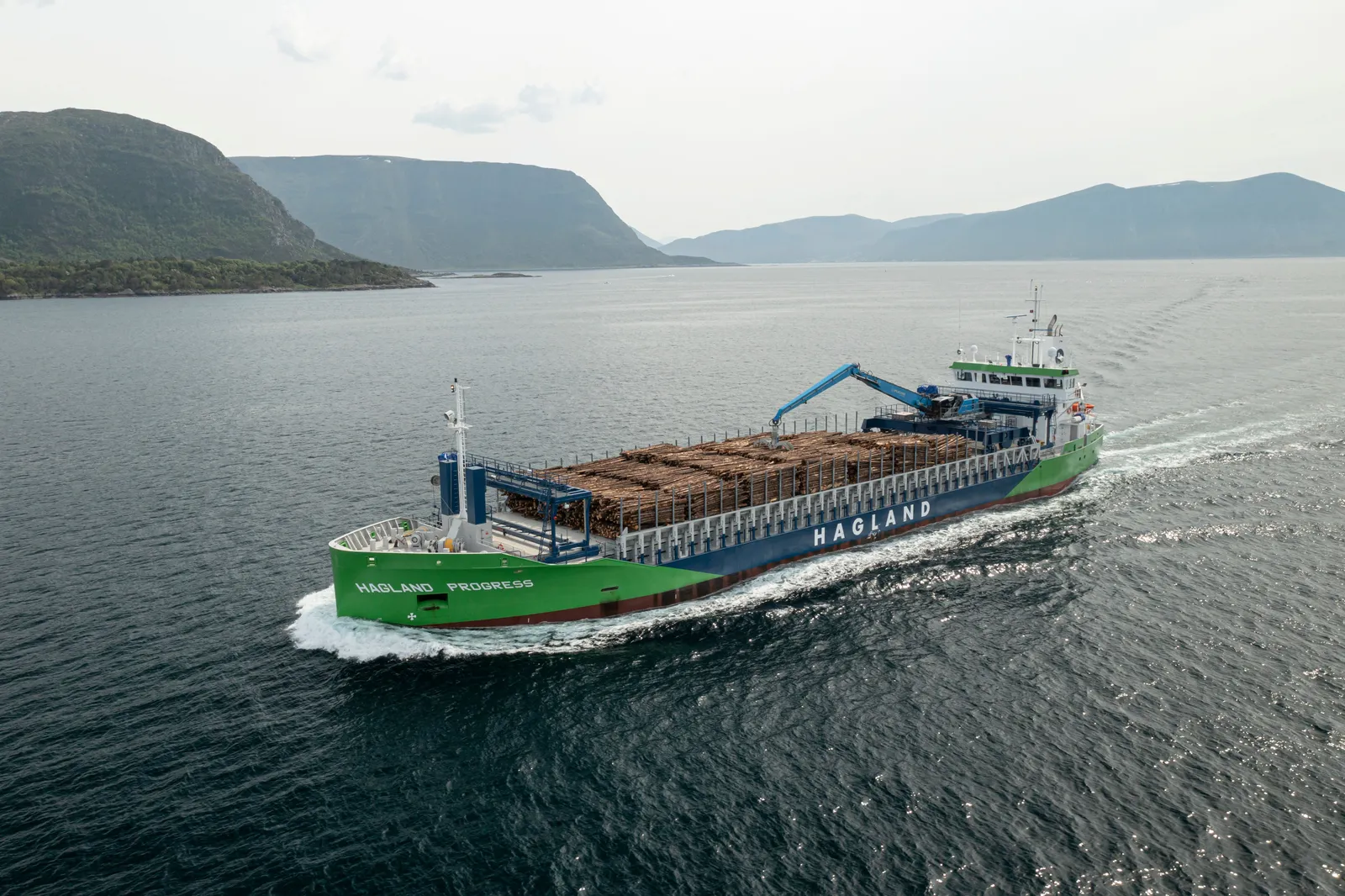
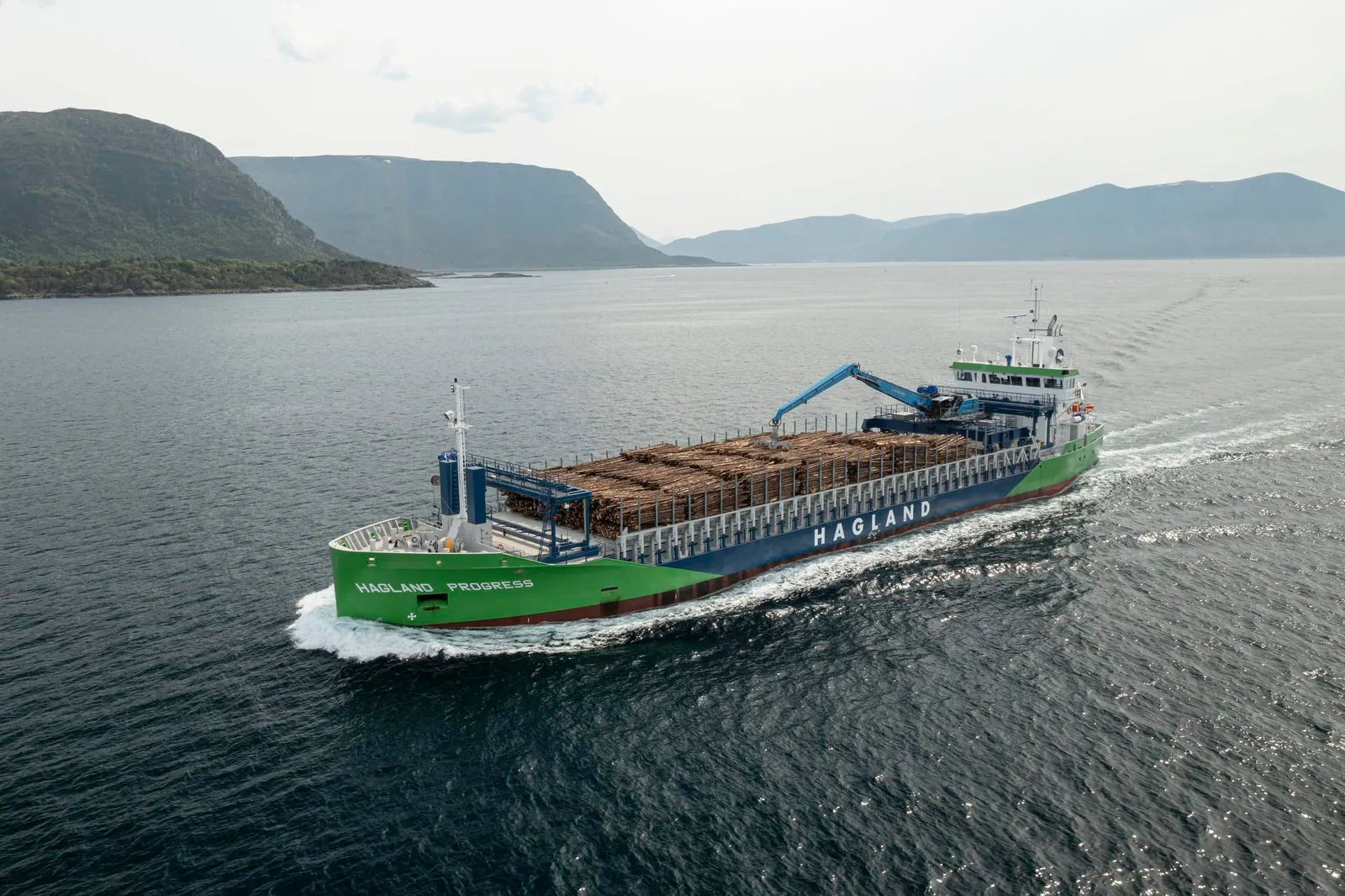
Haugesund-based company Hagland Shipping will receive nearly 236 million kroner to convert four cargo ships to battery power, which will operate along Norway’s coast and in Northern Europe.
These will be the first bulk ships to run on batteries between Norway and other countries.
Kristiansand Havn IKS will get 15 million kroner for a charging and battery swap facility in Mandal. Operations are scheduled to begin by the end of 2028.
- The funding from Enova is a positive and important step toward achieving zero emissions through battery swapping solutions. At the same time, important clarifications regarding infrastructure, operational conditions, and regulations remain, which we will now work on further, says Paal W. Aanensen at Hagland Shipping.
- It could pave the way for more such projects.
Each ship will have a battery capacity of 40 megawatt-hours, equivalent to over 500 large electric vehicles.
Zen Company will handle battery operation and charging. The ships will be able to sail solely on batteries and will also have energy-saving sail wings.
- If the project succeeds, it could pave the way for emission-free operation on many more routes along the Norwegian coast and toward Europe. We are proud to have contributed to the development of this concept, which has the potential to become a new model for electrifying maritime transport both in Norway and internationally, says Jørgen Laake, head of the Service Office for Green Fleet Replacement.
- Battery operation can make it easier for several shipping lines to choose electric ships since long port stays for charging are avoided, says Andreas Forsnes Jahn at Enova.
Shifting freight transport from roads to seas
Oslo-based Bulk Loaders AS has received a grant of 89.2 million kroner in support of building a new battery-powered cargo ship.
The vessel will transport various types of cargo to the oil industry along the Norwegian coast, primarily between Stavanger and Kristiansund.
The new ship is intended to replace an older vessel. With flexible solutions for loading and unloading both dry cargo and liquid products, the vessel will be able to take on transport tasks that are currently done by trucks.
This will reduce road freight traffic, cut greenhouse gas emissions, and contribute to a more efficient and environmentally friendly logistics system for the oil industry.
The ship has a battery capacity of 15 megawatt-hours, equivalent to around 200 large electric trucks, and will mainly be charged using grid electricity during loading and unloading.
The project combines the electrification of shipping with the transfer of goods from roads to seas, thus representing an important contribution to a more sustainable transport solution along the Norwegian coast.
Battery-powered marine vessels
Grieg New Energy receives 64.5 million kroner for two battery-powered service boats for maritime use and a charging facility.
In addition, Steinarbo Invest from Ulsteinvik gets 15 million kroner for five new battery-powered work boats for the maritime industry.

More like this?
Sign up for our newsletter
– get electric vehicle news straight to your inbox!
Also read
The post More Norwegian ships will become fully battery-powered appeared first on Norsk elbilforening.