
Soaring fuel prices: diesel for the rich, electricity for everyone else?
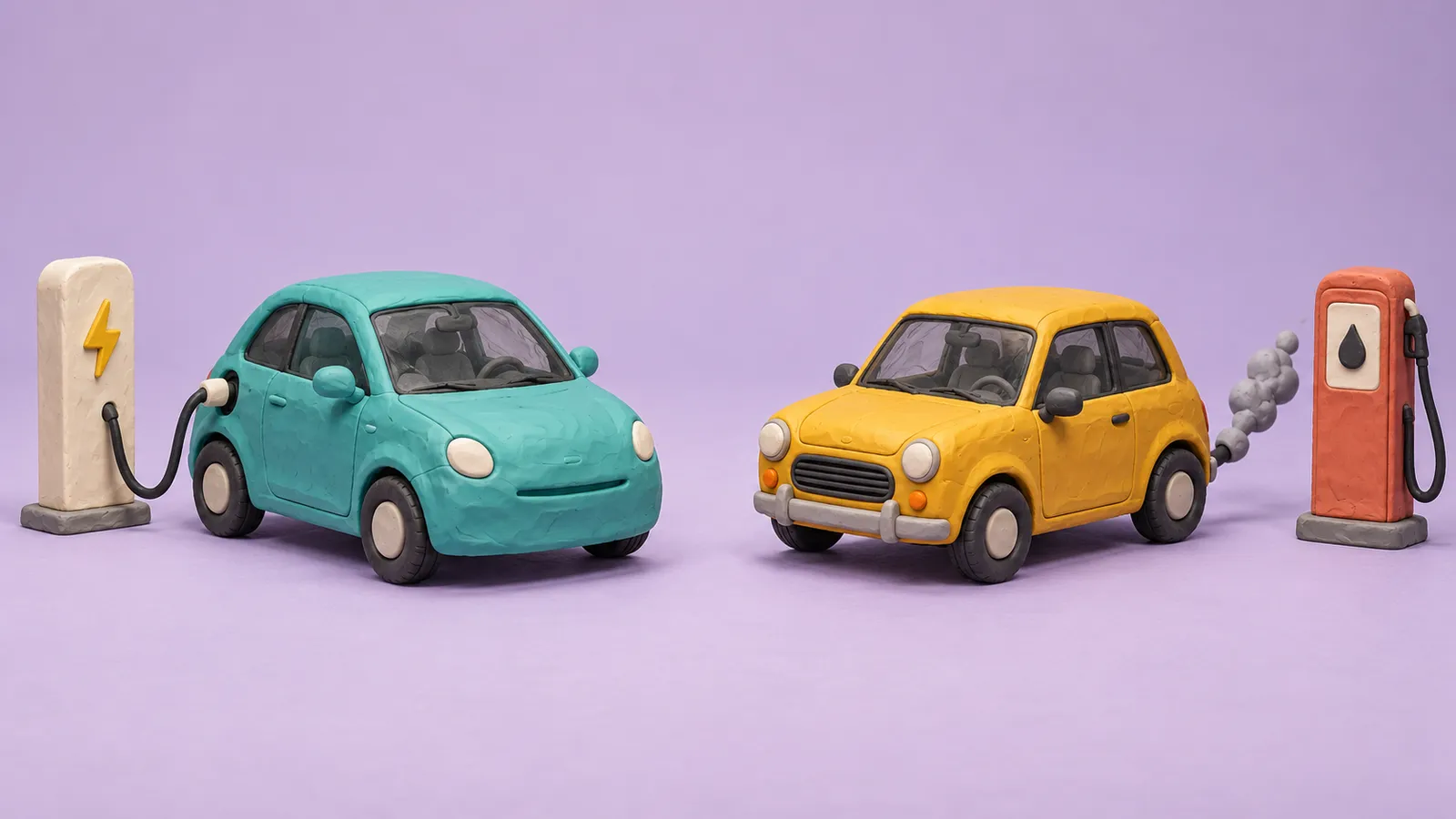
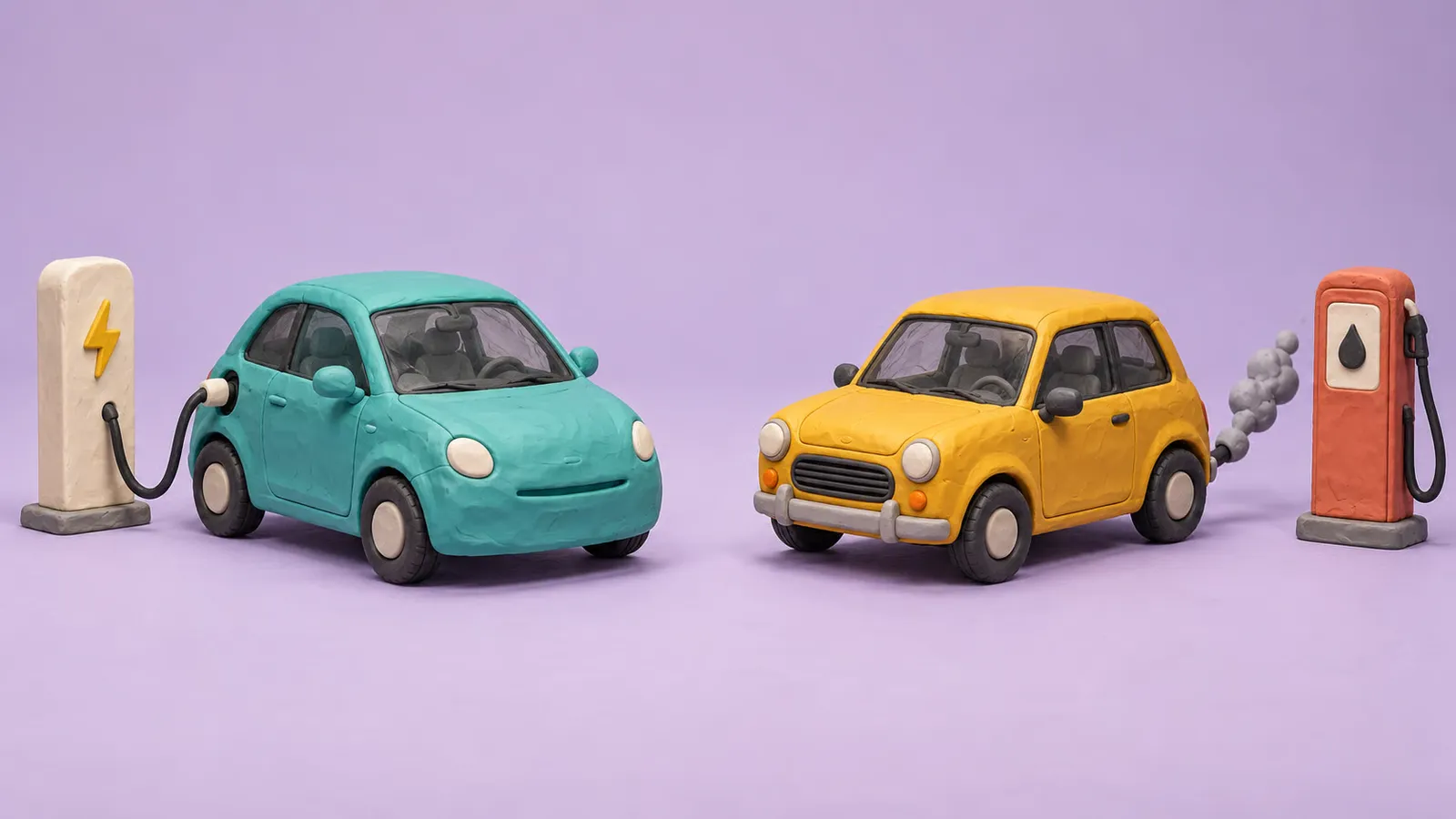
With rising fuel prices, driving electric becomes particularly advantageous for one’s wallet. But in France, motorists who stand to benefit the most often cannot make this switch right away. Let’s take a look!
Diesel: a fuel for the rich? This statement will either amuse or frustrate those who keep their old cars because they can’t afford to replace them. The paradox is that, for a long time, diesel was precisely the fuel chosen by motorists who were careful with their budgets. With increasing pump prices, this logic is being challenged. So, to spend less over time, does one need to spend a bit more at the start?
In practice, diesel is losing ground
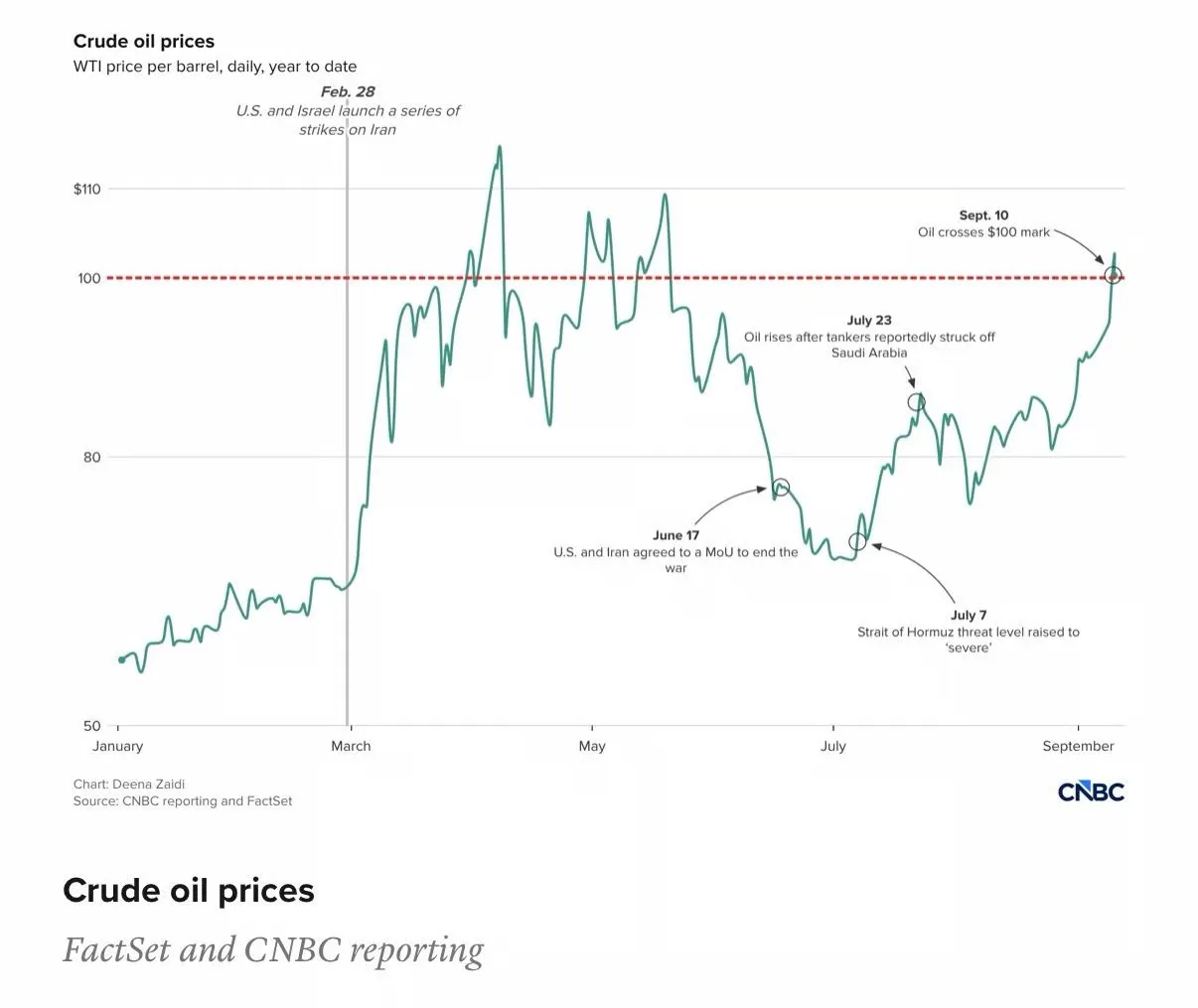
According to Roole Data, the average monthly energy cost for diesel rose from 98 to 119 euros between January and June 2026. The cost for gasoline reached 137 euros, while electricity remained around 46 euros. And looking at today’s oil prices (see chart below), it’s hard to imagine they will ever drop back to the levels we saw before the war in Iran.
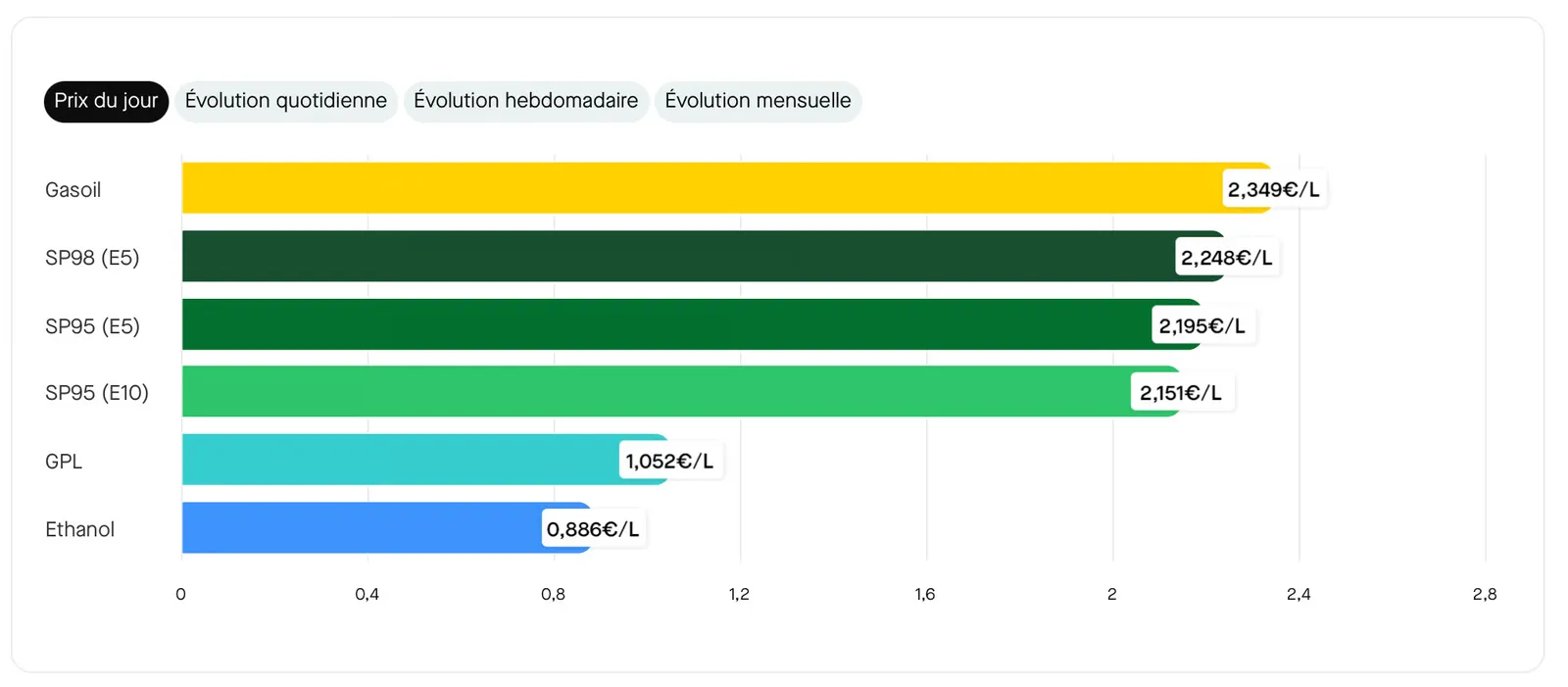
Let’s take a concrete example. With diesel costing 2.41 euros per liter, the average price in France as of September 27, 2026, a car that consumes 6 liters per 100 kilometers would cost 14.46 euros for every 100 kilometers. An electric car that uses 18 kWh (which is quite high) for the same distance would cost 3.60 euros, assuming home charging at 0.20 euros per kWh (though it’s also possible to charge at much lower rates during off-peak hours).
Over 15,000 kilometers per year, the cost for diesel amounts to 2,169 euros, compared to 540 euros for an electric car: a difference of 1,629 euros in energy costs. That’s enormous! However, the charging location plays a crucial role. If public charging stations charge 0.60 euros per kWh, the same electric car would cost 10.80 euros per 100 kilometers. The savings over diesel then drop to 549 euros per year for the same mileage. It’s not as good, but it’s still a significant saving.
Also read
This is how Volkswagen managed to reduce the ID.Polo’s fuel consumption by almost half.
Still, one needs to be able to afford an electric vehicle.
But for a family that already owns a paid-for diesel car, the comparison doesn’t stop at fuel costs. Replacing their car requires saving money or taking out a loan. The additional monthly payment can exceed the savings from lower fuel costs, even though switching offers benefits over several years. Insurance, depreciation, and potential installation of a charging station also need to be considered.
A purchase investment that might pay off in the end
Anyone in this situation would ask themselves: do long-term savings allow one to recoup the money spent on switching to electric? Using our assumption of diesel costing 2.41 € per liter and home charging at 0.20 € per kWh, the difference amounts to 10.86 € per 100 km. If an electric vehicle costs 5,000 € more than a comparable diesel model, this extra cost is offset in just over three years with 15,000 km per year.
At 25,000 kilometers per year, it takes less than two years. Conversely, for someone who drives only 8,000 kilometers per year, it will take almost six years. These calculations assume constant energy prices and do not account for financing, differences in maintenance, insurance, or resale value. Therefore, the initial investment may make sense, especially for frequent drivers and those who plan to keep their car for several years.
In such cases, paying more upfront can help reduce long-term car expenses. But it’s still necessary to be able to afford the initial cost without disrupting household finances. And obviously, it’s not that simple...
What about used electric vehicles?
This is where the used car market can completely change the calculations. For buyers, the discount offers a tangible advantage: it allows them to acquire an electric vehicle whose first owner has already absorbed part of the value loss. By going through second-hand options, the focus is no longer necessarily on getting the most out of a more expensive new car, but rather on finding an electric vehicle at the price of a conventional used car that meets the same needs. If both cost the same upfront, savings on charging begin from the first few kilometers, with no additional costs to offset.
Let’s use an example to illustrate this: a used electric car priced at 15,000 euros compared to a diesel car at 12,000 euros. Under the previous assumptions, the additional 3,000 euros would be recouped in a little less than two years for a driver who travels around 15,000 kilometers per year and charges at home. If this driver keeps the car for five years, the difference in energy costs would amount to 8,145 euros, which is 5,145 euros more than the extra cost paid at purchase. For this reasoning to hold, it’s essential to compare vehicles suitable for the same use.
Details to Check
A detail that matters: the listed price and mileage are not enough when buying a used electric car. A battery health check (SoH, or State of Health) helps assess its remaining capacity. It’s also necessary to verify the existing warranty and its terms, the maintenance history, as well as the supported charging speeds. In some older electric cars, such as the Renault Zoé, the battery may still be subject to a leasing agreement. This monthly payment must then be included in the budget, otherwise savings could be overstated.
Also read
Test drive – For slightly higher rental costs, Anthony chose the Audi A6 Avant e-tron over the Renault Scenic E-Tech
Purchasing used cars also does not eliminate the challenge of financing the switch. For a family that sells their 5,000 € diesel car and buys an electric vehicle costing 15,000 €, they still need to find 10,000 €. However, if a replacement becomes necessary, the proper comparison should focus on the costs of different cars that could serve as alternatives. It is at this point that a used electric vehicle can become particularly attractive. It allows for a similar budget allocation for the purchase, with subsequent cost reductions over distance, provided affordable charging is available.
This is also the goal of social leasing, in place since July 16, 2026: to enable low-income households to switch to electric vehicles without having to finance the purchase of a new car. The program offers leases of at least three years, with monthly rents capped at 200 euros excluding options and additional services, and many offers are even below 140 euros. However, access to this program depends on income levels and vehicle usage.
With our assumptions, the savings become quite substantial. At 15,000 kilometers per year, a diesel vehicle costs about 180 euros per month in fuel, compared to 45 euros for electricity (charged at home). This results in monthly savings of 135 euros, enough to cover most of a 140-euro rent. In this example, the vehicle lease and charging would total 185 euros per month, barely more than the fuel cost for a diesel car alone...
Diesel for the rich, then? No, of course not. Many French people would like to get rid of it today. The whole issue is therefore allowing them to switch to something else.
