
First: Volvo CE Electric equipment does the work, without disturbing the wildlife
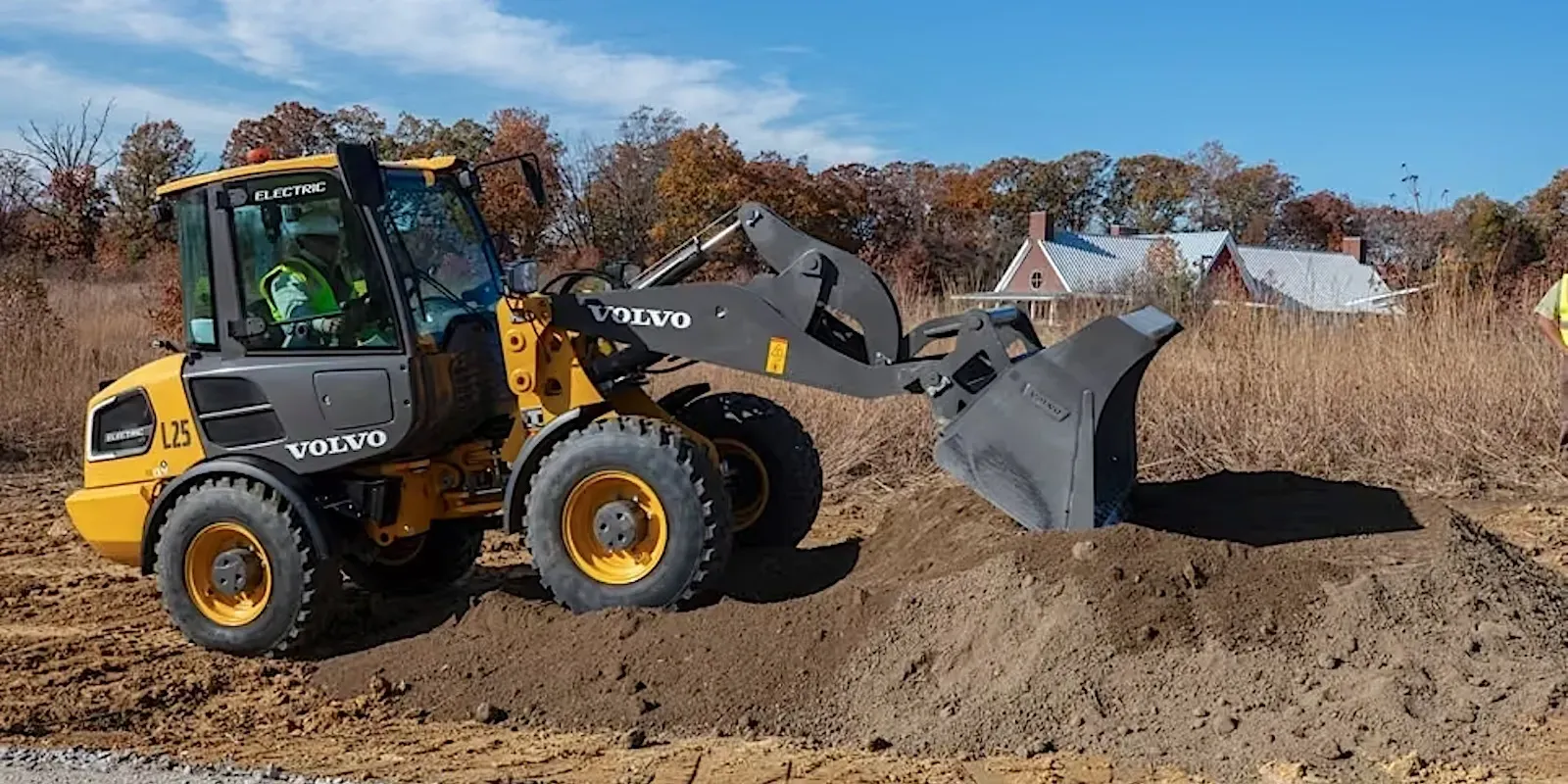
For the first time, electric equipment assets are being put to work in the National Wildlife Refuge System, where a battery-powered, zero-emission ECR25 Electric compact excavator and L25 Electric compact wheel loader made by Volvo CE are making the wild more accessible to everyone.
Construction work isn’t exactly welcome in the wilderness – between diesel exhaust, engine noises, and the constant rumble of heavy machinery, even a relatively small project can have a big impact on the native wildlife. To minimize that impact, US Fish and Wildlife Service is turning to Volvo CE and its compact excavators and wheel loaders to get the job done, building out a new, ADA accessible trail in Virginia’s Occoquan Bay National Wildlife Refuge.
“We are excited to partner with the US Fish and Wildlife Service on this project to demonstrate Volvo’s commitment to lowering emissions and working to build the future we all want and need,” said Dr. Ray Gallant, VP of Product Management and Productivity, Volvo CE. “Projects like the one at the Occoquan Bay National Wildlife Refuge give a glimpse of how electric machines can create a more climate-friendly future for the construction industry.”
Pretty pond

The refuge is home to a diverse array of grasslands, wetlands, and woods that attract red foxes, painted turtles, osprey, river otters, and countless other rarely seen species – and the ADA accessible path being laid down by the L25 Electric compact wheel loader will allow wheelchair-bound visitors to travel a half-mile-long trail around one of the pond. Meanwhile, the ECR25 Electric compact excavator will be digging trenches to improve drainage from the pond and helping to place a viewing platform that extends out over the water.
Keeping the machines running is a portable EV ARC solar-powered charging system from Beam Global that’s designed to drive down the project’s carbon footprint even further.
SOURCE | IMAGES: Volvo CE.