
Lacking funding, this French company will continue to manufacture its batteries in Asia
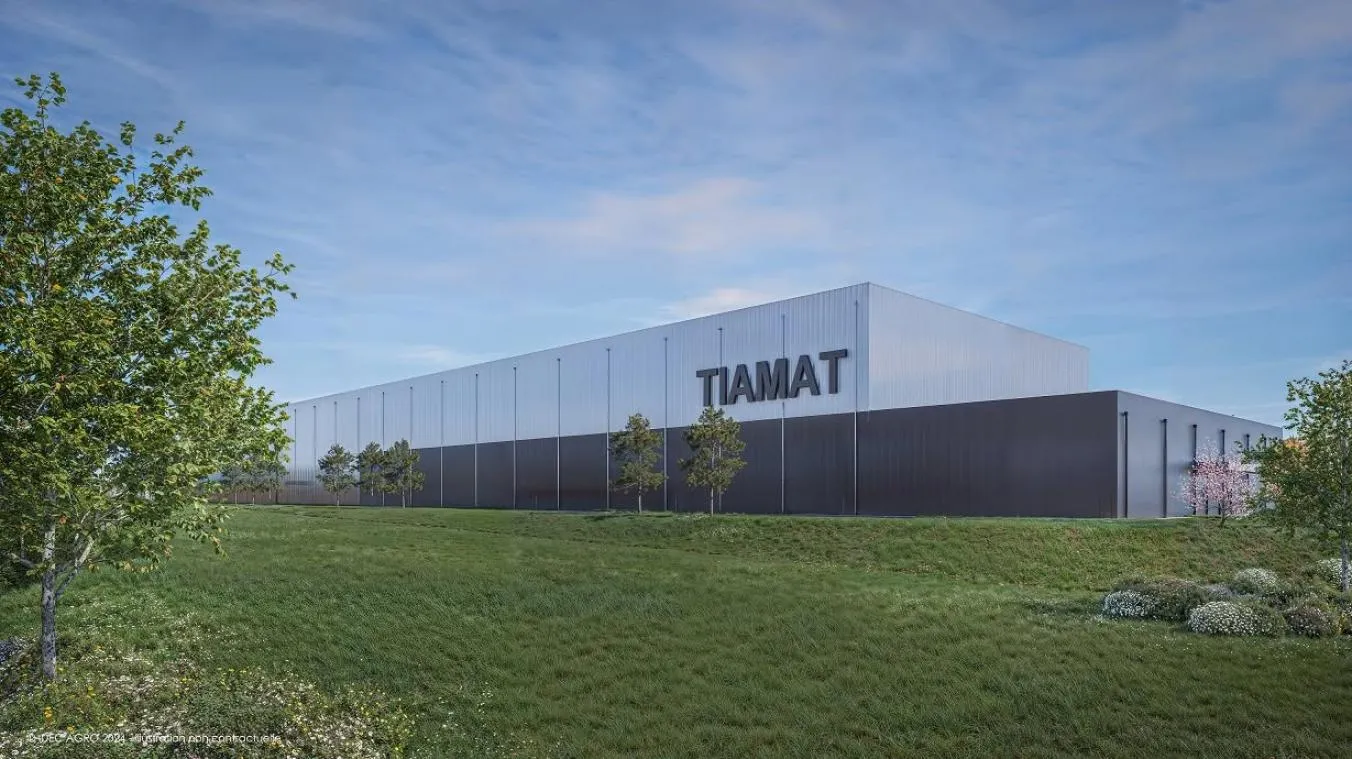
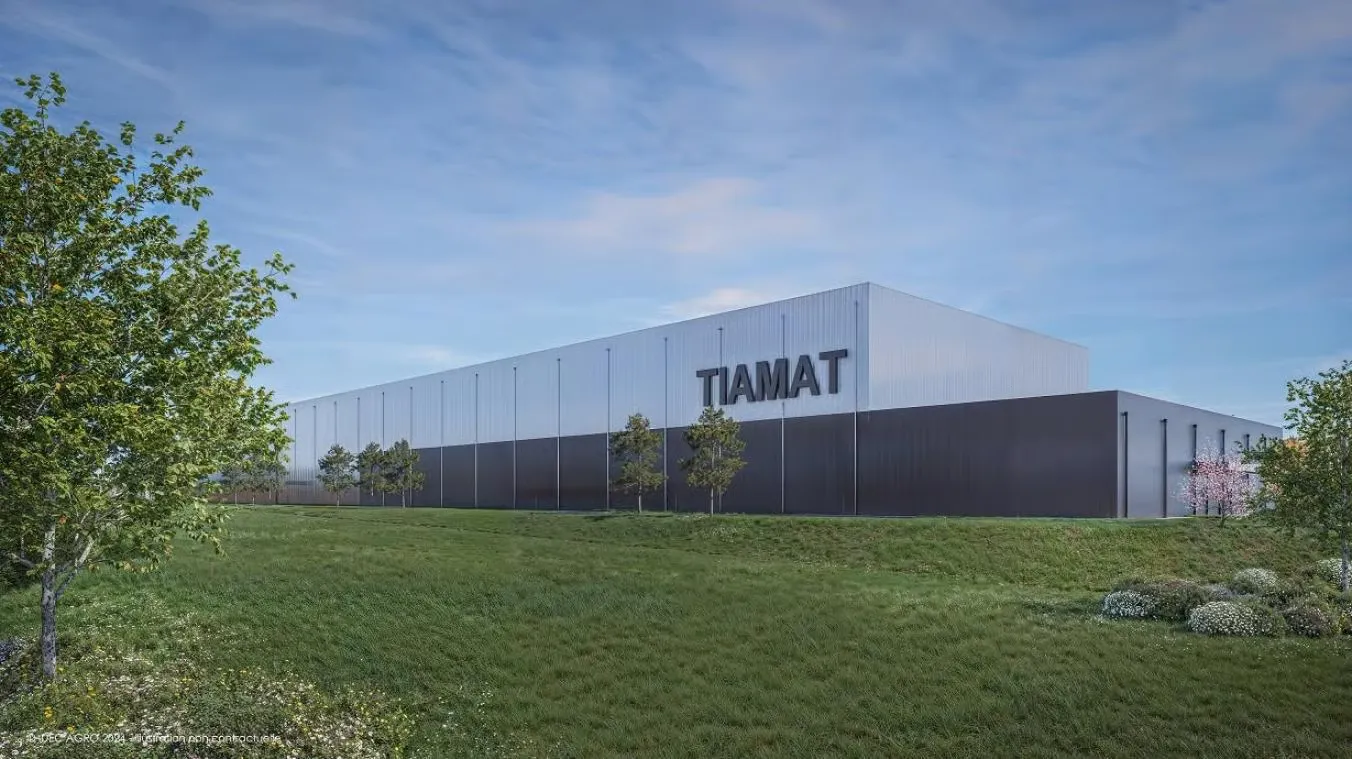
Tiamat has postponed its plan to build its first sodium-ion battery factory near Amiens. The French startup, which intended to invest around 200 million euros and create 400 jobs, failed to secure the necessary funding. It will continue to have its batteries manufactured in Asia.
The project was supposed to help develop a new battery industry in France. Patience will be required. Tiamat has decided to delay the construction of its factory near Amiens, in the Somme department. The French startup recently still planned to launch its first production line there by the end of 2028.
200 million euro investment postponed
This initial phase was expected to involve an investment of approximately 200 million euros and create around 400 direct jobs. However, for a young company like Tiamat, raising such a sum in the current economic climate proved to be complicated.
Its CEO, Hervé Beuffe, explains that financing an industrial project of this scale has become difficult to finalize. Yet a significant portion of the funding was already secured. According to Frédéric Fauvet, mayor of Amiens, government subsidies covered roughly half of the required funds. The problem therefore lies with private investors...
Also read
Batteries: ACC accelerates in northern France, but Mercedes production is falling behind
The official highlights a challenging environment for Europe’s battery industry. Indeed, in recent months several projects have faced delays or difficulties. This situation is prompting investors to be more cautious, even regarding technologies not directly aimed at electric vehicles.
Tiamat will continue manufacturing in Asia
This is because Tiamat does not work on the traditional lithium-ion batteries used in cars. Founded in 2017 in Amiens, the company develops sodium-ion cells. Although less suitable for electric vehicles due to their lower energy density, they offer the advantage of being able to be charged quickly.
Tiamat is targeting markets such as tools, small household appliances, and energy storage. The company works with the American firm Endeavour to help data centers manage their peak electricity consumption. But applications are also beginning to emerge in the automotive industry.
Until it can potentially restart its French industrial project, Tiamat will continue to rely on Asian subcontractors to manufacture its batteries. Its CEO views this as a necessity rather than a choice, but it allows the company to continue developing without immediately investing the hundreds of millions of euros required for a factory in France.