
Fastned raises a further €27 million from private investors
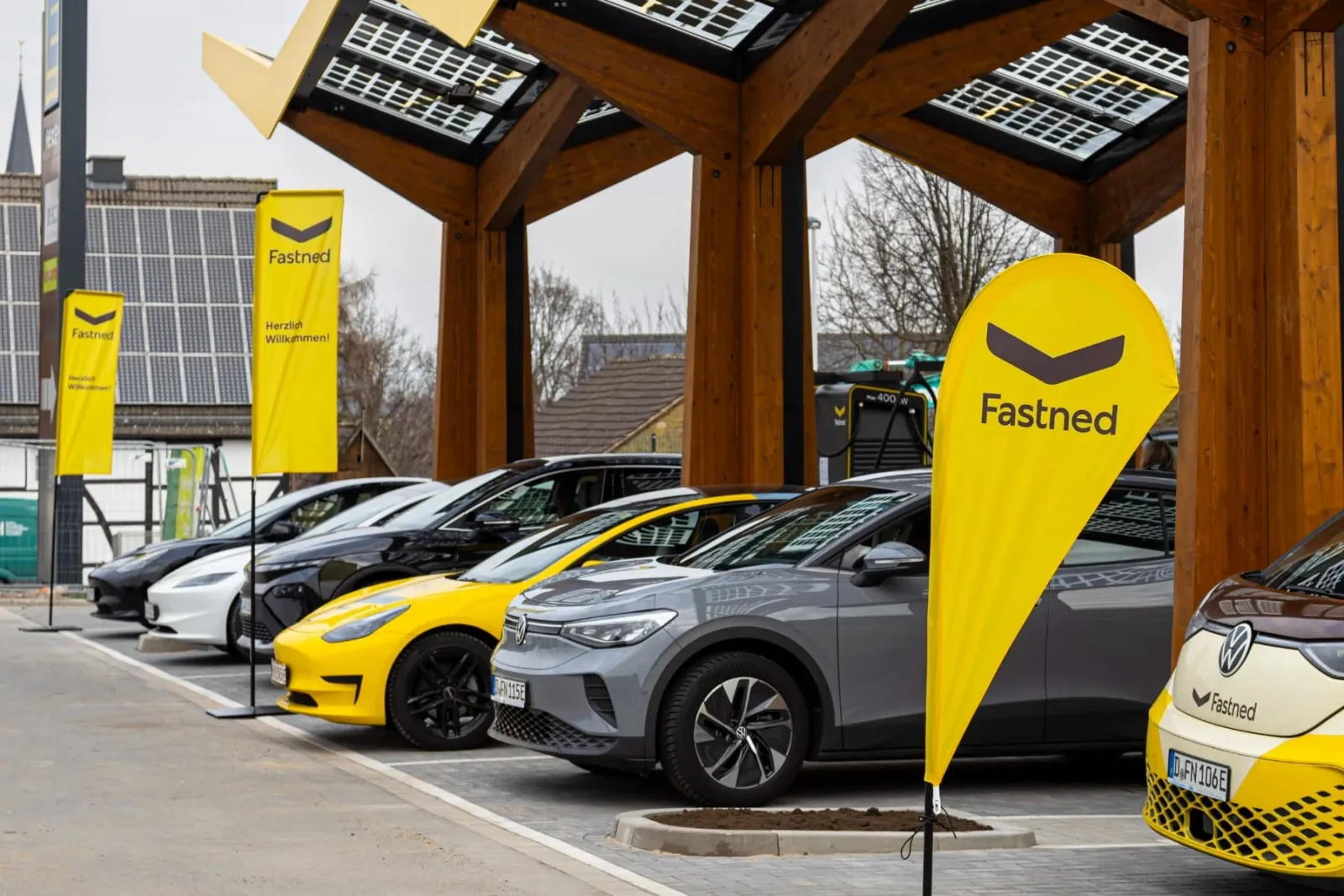
Dutch fast-charging provider Fastned has raised another €27 million from private investors in Belgium and the Netherlands through a new bond offer. The company plans to use the funds to finance the costly expansion of its charging network - with each new charging park requiring an initial investment of nearly one million euros.
Image: Fastned
The latest bond issue is already the third such placement in 2026. This has raised a total of €92 million – the highest annual figure to date, compared to €79 million in 2025. Fastned primarily needs the funds from private investors to further expand its charging network. After all, even though the operational business is becoming increasingly profitable, expansion continues to consume significant sums. More on this shortly.
The outstanding volume of retail bonds has thus risen to €364 million. In other words, Fastned must also repay this amount to private investors. The bonds currently have a five-year term, with an annual interest rate of 6 per cent. To date, more than 13,000 private investors have invested in Fastned through the bond programme, with a cumulative investment volume exceeding €400 million.
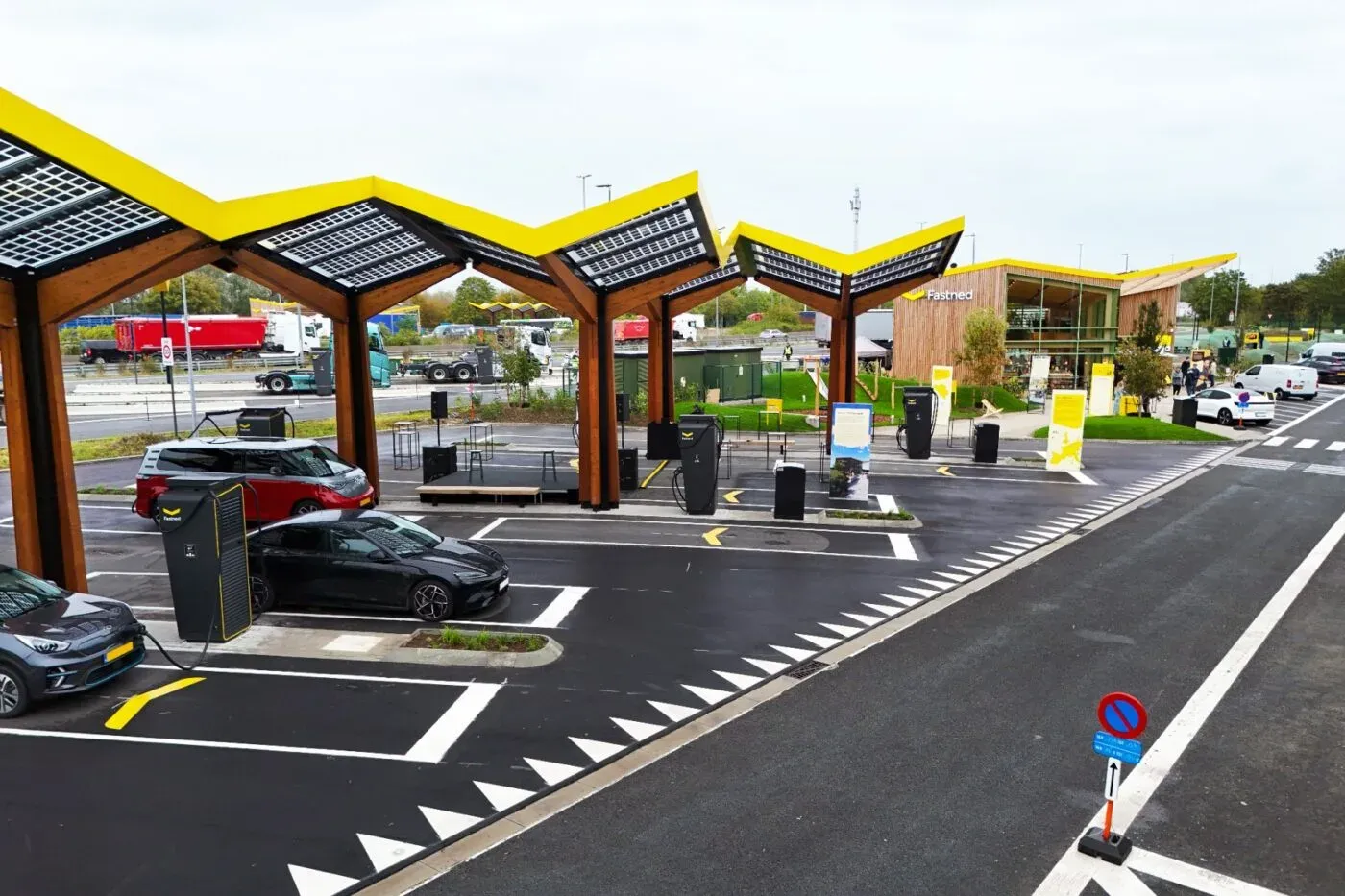
Fastned currently operates 452 charging parks across nine European countries. Another 70 charging parks are under construction. In 2026 alone, the company has already opened 46 new locations. In the long term, Fastned aims to operate a total of 1,000 charging parks by 2030.
€991,000 for a new charging park
Why Fastned requires fresh capital on a regular basis despite rising revenues is evident from the company’s financial reports. Building a Europe-wide fast-charging network is an extremely capital-intensive business. First, suitable plots of land must be found and long-term usage rights secured. This is followed by planning, approval procedures, and site development. Medium-voltage connections must then be installed, and the charging parks equipped with high-performance transformers and fast-charging stations. Most recently, Fastned estimated the initial investment for each new charging park at €991,000 – up from €892,000 just a year ago.
However, Fastned must not only invest in the equipment for the charging parks themselves. The entire site development and growth organisation also incur costs: in 2025, so-called ‘Network Expansion Costs’ amounted to €34.3 million – 48 per cent more than the previous year. Additionally, the company invested around €100 million in expanding its network.
Operationally on the right track
The latest business figures show that the investments are increasingly paying off. In the third quarter of 2026, revenue from the charging business grew by 63 per cent to €51.3 million. While the company already reports a high operating EBITDA margin of around 45 per cent, this primarily means that Fastned can sell the purchased electricity at a profit. However, this figure does not account for the high investments in charging park equipment or expansion costs. In the first half of 2026, the company therefore posted a loss of €13 million. For the third quarter, Fastned has not communicated any loss or profit, instead planning to do so only after the end of the second half of 2026.
For financing, the company relies not only on bonds for private investors but also on equity and bank loans. In January 2026, for example, Fastned secured a green credit line of up to €200 million, with participation from ABN Amro, ING, and Rabobank, among others.
A business model requiring long-term commitment
The high capital requirement is not unique to Fastned but is typical of the fast-charging industry. Operators must make significant upfront investments long before a site reaches its full earning potential. At the same time, profitability increases with utilisation: the more electric cars are on the road and the more frequently they use public fast-charging stations, the better existing stations can be utilised.
The €92 million in new investments is therefore less an indication that the existing business is not working. Rather, it highlights how much capital is required to establish a Europe-wide position in a still young and increasingly competitive market. For Fastned, the decisive factor will be whether demand for public fast charging grows quickly enough to ensure that the high upfront investments pay off in the long term. In any case, management hopes to increase the utilisation rate of its charging stations from the current 13.5 to 30 per cent – at which point the calculations would likely work out.