
CATL factories have zero emissions in key processes. It sounds boring, but it’s a massive achievement. The battery doesn’t burden the electrician.
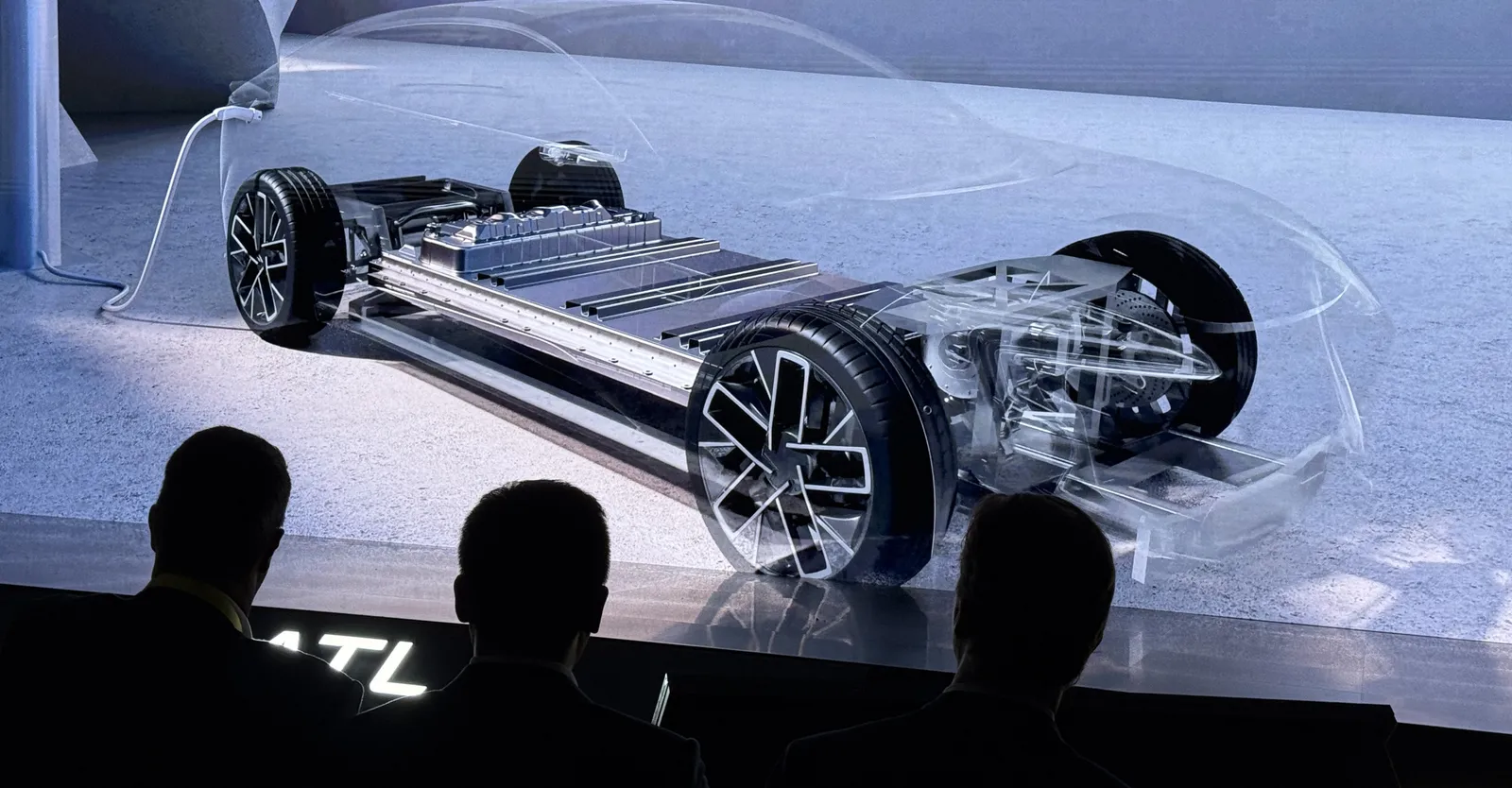
The world’s largest lithium-ion battery manufacturer, China’s Contemporary Amperex Technology (CATL), announced that by 2025 its battery factories had achieved zero emissions in key processes. In electric vehicle production, the battery is the biggest contributor to carbon dioxide emissions, but one built with CATL batteries has almost no impact on the vehicle’s overall environmental footprint. This eliminates the argument that “producing a battery is more environmentally harmful than 15 years of driving a diesel vehicle.”
Electric vehicle opponents lose another argument
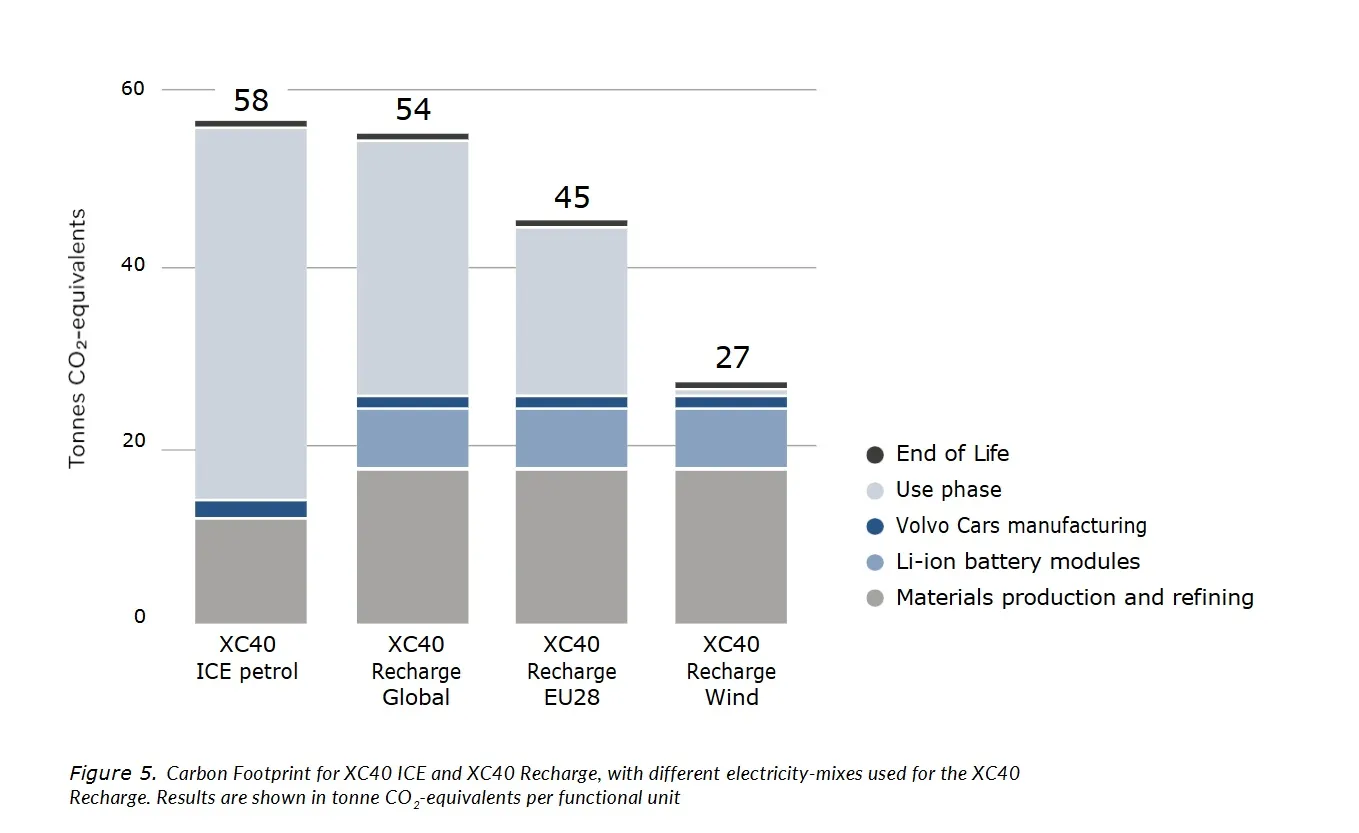
The production of Li-ion cells and batteries (the light blue area in the chart below) was the largest emission burden throughout the entire electric vehicle manufacturing process. It equaled that of a comparable gasoline car after an average of 1.5 to 3 years of use, depending on the cell source and origin, which is why misinformation spreaders eagerly circulated the claim that “15 years of driving a diesel vehicle has fewer emissions than producing batteries.” The “15 years” figure was obviously an exaggeration—compare the far left (gasoline variant) and far right (electric variant powered by renewable energy) columns—but the message found fertile ground:
CATL has now announced that it is emission-neutral in this process (source). This is thanks to its establishment of an emissions tracking system in 2022, followed by the optimization of its subsequent mechanisms. As a result, it has used 18 TWh of renewable energy since 2023, averaging 6 TWh per year, while, for comparison, entire Poland requires around 150-170 TWh of energy annually. Additionally, it reduced energy consumption per battery by 28 percent (compared to 2022) and cut the company’s total emissions by 77 percent—all within just three years.
In the production of lithium-ion cells, the most emission-intensive process is the creation of cathodes, which require heating to hundreds or even over a thousand degrees Celsius.
CATL Battery (c) CATL
Neutral emissions during “key battery production processes” does not mean that a battery with the “Made by CATL” label is completely emission-free. The company states outright that it is currently working with its suppliers, from whom it obtains the most critical raw materials. It aims for them to use only renewable energy and produce emission reports by 2035. In logistics as well, it plans to utilize electric drives and battery swap stations, and to close the loop, it will optimize the recycling process for batteries.
If CATL succeeds, the blue area on Volvo’s chart will not shrink by half (as CATL claimed) but completely. In other words, producing an electric car will reduce CO2 emissions not to about 150-200 percent of those from a gasoline equivalent, but below that of a gasoline vehicle. As a result, an electric car leaving the factory will have lower emissions from the start, meaning a fuel-consuming car will only get worse and worse from the beginning.
According to CATL’s current claims, electric cars with CATL batteries should outperform gasoline vehicles in terms of overall environmental impact on Earth after 8-16 months.
Article Rating
Reader Ratings
[Total: 6 votes Average: 4.2]
Don’t miss new content—CLICK and FOLLOW Elektrowoz.pl on Google News. You might also be interested in the following ads: