
Experts have measured the actual energy consumption of dozens of electric cars, and these are the 10 most efficient ones on the market.
13/09/2026 10:00
Updated to
13/09/2026 10:00
Battery size is often one of the most commonly used metrics for comparing electric cars, though it alone tells little about the vehicle’s efficiency. Two models with similar capacity can offer vastly different ranges depending on factors such as weight, aerodynamics, engine performance, and electronic management.
To determine which models make the best use of each kWh available, Quattroruote compiled a list of the ten electric cars with the lowest consumption that have been tested at its Prove Center. The ranking uses measurements taken according to the magazine’s own methodology, with all listed models maintaining an average consumption below 17 kWh/100 km.
Ten Electric Cars with Under 17 kWh per 100 Kilometers
The most striking result of this comparison is the variety of vehicles included. The tenth place goes to the Renault 4 E-Tech with 16.14 kWh/100 km, closely followed by the Cupra Raval at 16.1 kWh/100 km, and the rear-wheel drive Tesla Model Y, which slightly reduces this figure to 16.07 kWh/100 km.
Next are the Opel Corsa Electric with 15.73 kWh/100 km and the Leapmotor T03, which records 15.56 kWh/100 km. The Renault 5 E-Tech improves to around 15.25 kWh/100 km, meaning approximately 6.56 kilometers can be traveled per kWh of electricity. Quattroruote obtains these results through its own instrumental tests, so they do not correspond to the certification figures announced by the manufacturers.
The Tesla Model 3 Long Range ranks fourth and is also one of the largest cars in the entire lineup. This sedan achieved 14.51 kWh/100 km, which is equivalent to about 6.89 km/kWh. Its presence among significantly smaller models underscores the importance of factors such as aerodynamics or propulsion system efficiency beyond just the vehicle’s weight and size.
The top three positions go to smaller cars
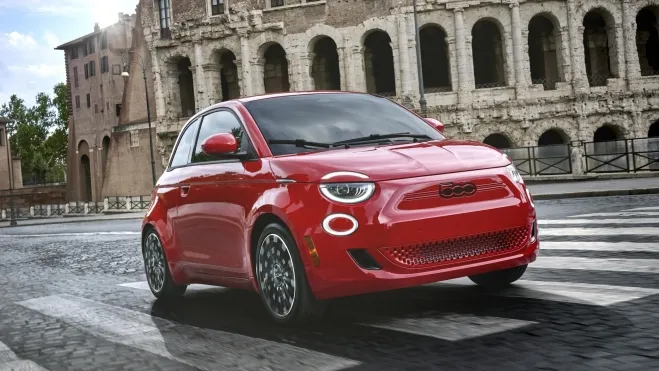
From there, the differences become much smaller. The Fiat 500e Cabrio tested by Quattroruote, equipped with a 21.3 kWh battery, recorded an average of 14.44 kWh/100 km. Right behind it is the Hyundai Ioniq with 115 horsepower and a 49 kWh battery, which achieved 14.19 kWh/100 km, or 7.05 kilometers per kWh used.
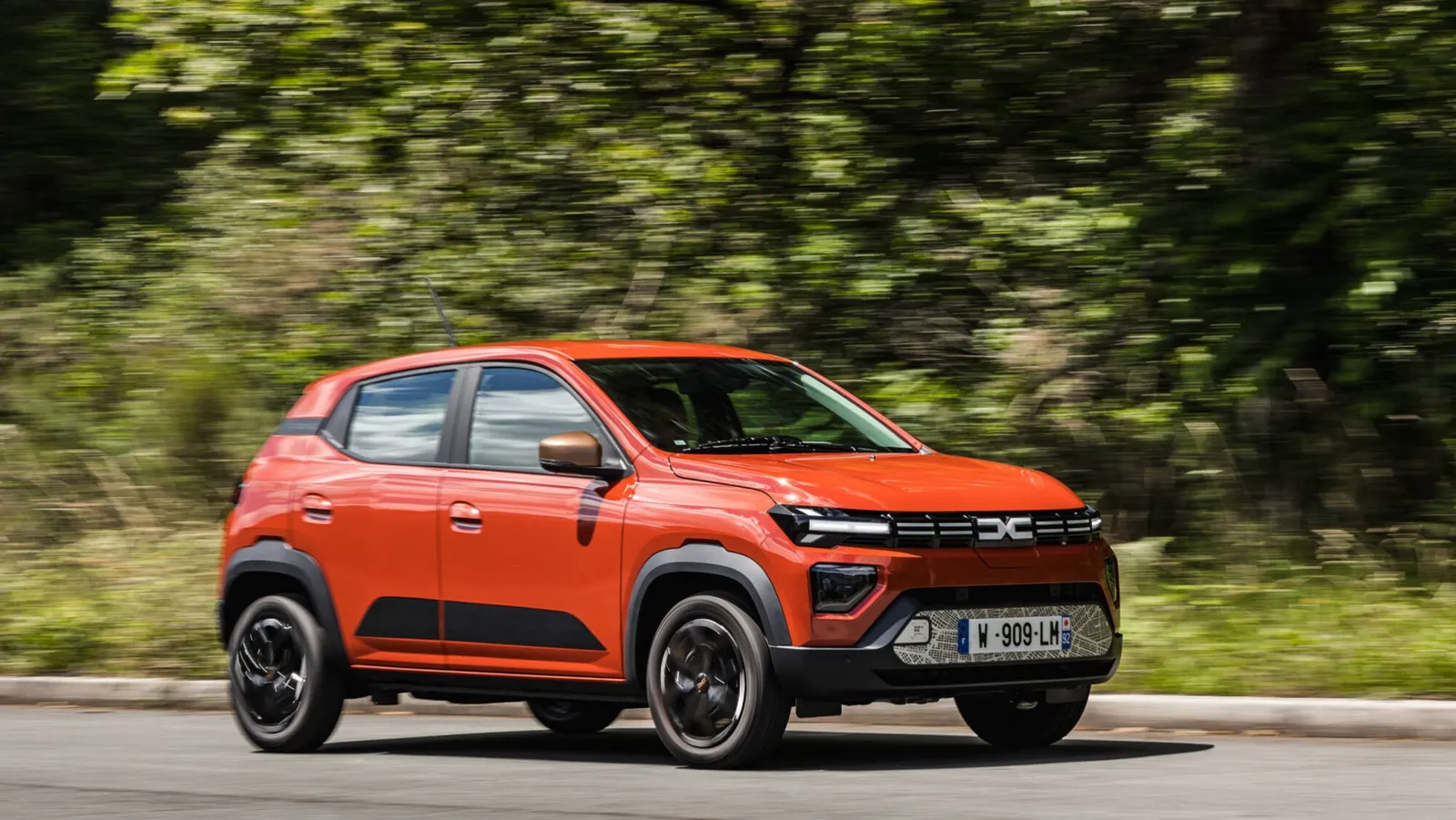
The top spot goes to the Dacia Spring Extreme 65. In tests conducted by an Italian center, it required only 13.98 kWh to travel 100 kilometers, which equals 7.15 km/kWh. Urban driving results were even better, with 10.24 kilometers per kWh. The vehicle evaluated used the previous 26.8 kWh battery, while the 2026 model year now uses an LFP battery with a capacity of 24.3 kWh.
The results also show that efficiency does not have a direct relationship with battery capacity or vehicle price. The three cars that require the least electricity are compact models, while larger vehicles like the Model 3 demonstrate that a bigger size does not prevent low energy consumption. This is a particularly important factor in calculating the actual cost of use, as an apparently small difference of several kWh per 100 kilometers ends up multiplying as annual mileage increases.