
Experts debate road damage caused by heavy electric vehicles
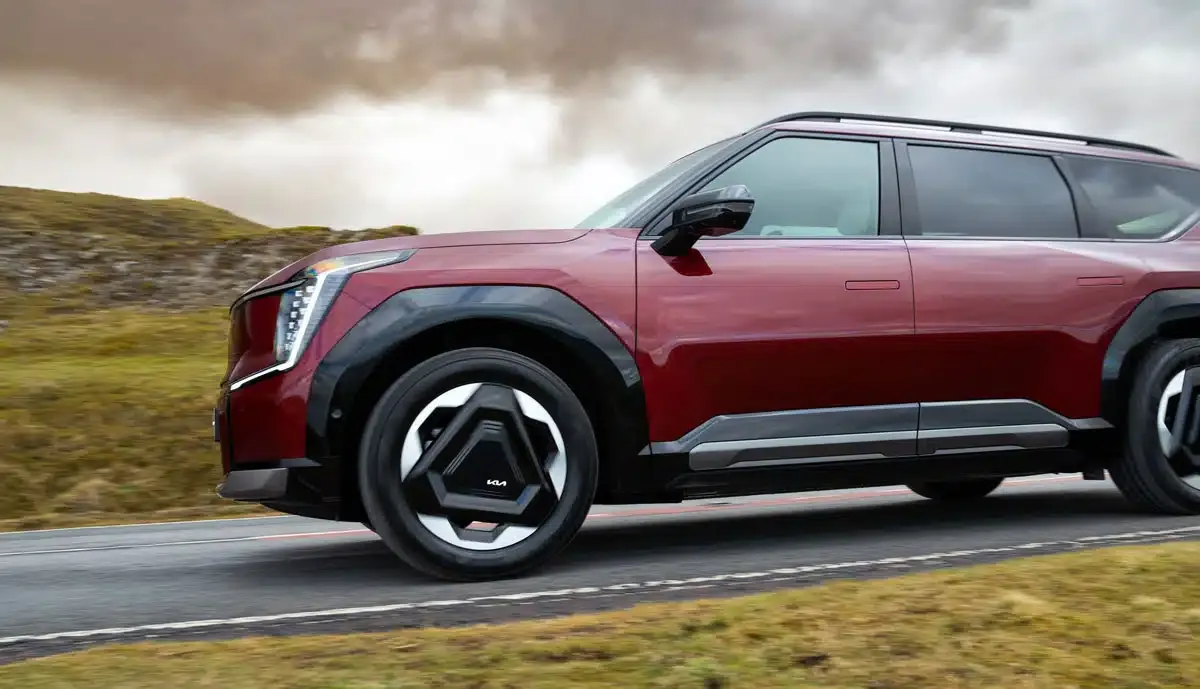
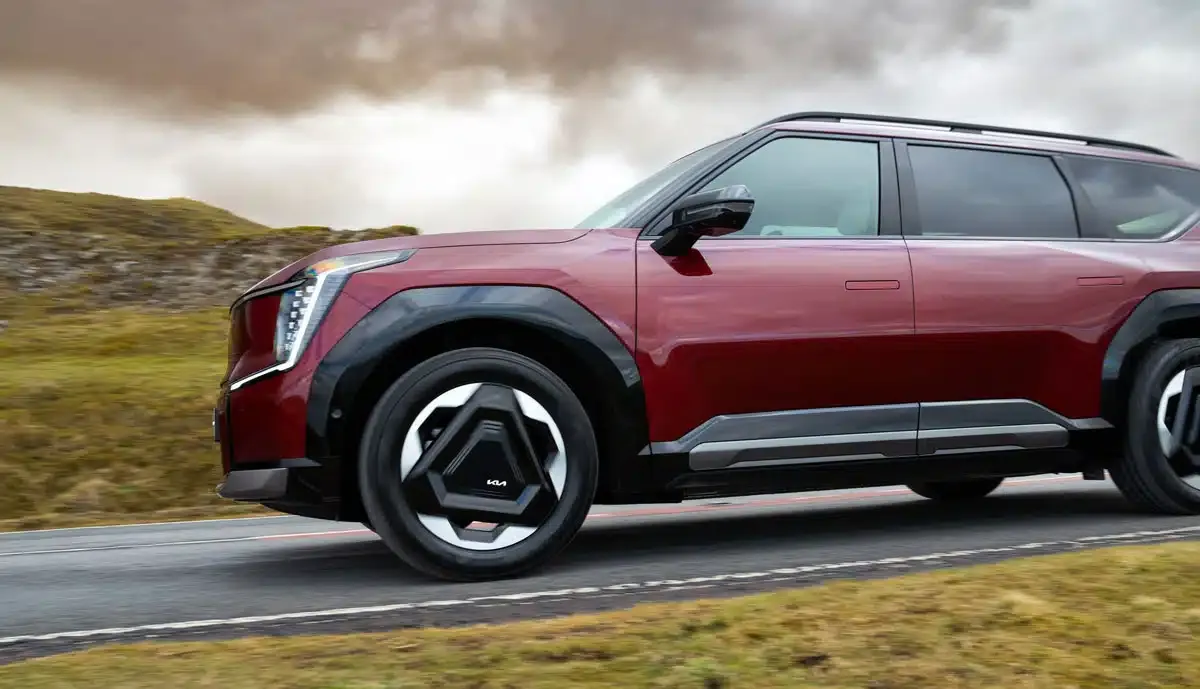
Image: Kia (illustrative)
The worsening condition of road surfaces, particularly in the United Kingdom, has sparked debate about the causes of potholes. SUVs and electric vehicles often come under criticism due to their increased weight compared to earlier models. According to a report by Autocar, the average curb weight of new cars has risen by nearly 400 kilograms over the past nine years, from 1553 to 1947 kilograms.
This weight increase has led some municipalities, including London and Cardiff, to consider imposing additional parking fees on these vehicle types. Elizabeth Orchard, director of infrastructure consulting firm Endelevu, views electric vehicles as a factor contributing to potholes. Since roads are designed for a certain number of heavy vehicles, the increasing weight increases wear per vehicle and shortens the road’s lifespan.
Ali Rahman, an associate professor at the University of Leeds, rejects a one-sided attribution of blame. Citing Autocar, he refers to the so-called fourth power law, which states that road damage increases proportionally to axle load. Doubling the axle load would thus result in an approximately 16-fold increase in damage. However, he identifies heavy commercial vehicles as the main cause of road damage, arguing that a single truck can cause the same level of damage as “thousands of car trips.”
In addition to axle load, climate conditions play a crucial role. The British climate favors the formation of potholes through repeated freeze-thaw cycles, explains Orchard. When rainwater seeps into cracks and freezes, it expands and weakens the road surface. Rising temperatures due to climate change also damage the asphalt beneath the surface.
The Electric Vehicle Association England rejects these accusations as a myth, according to Autocar. Vicky Edmonds, the association’s CEO, emphasizes that electric cars remain passenger vehicles and not heavy trucks. Traffic volume is the real cause of road damage. Additionally, it is expected that electric cars will become lighter in the future due to technological advancements in batteries.
Also interesting
About the author
Thomas Langenbucher is an expert in electromobility with professional experience in the automotive industry and finance sector. Since 2011, he has been covering electric vehicles, sustainable technologies, and mobility solutions for ecomento.de. Learn more.
Reader interactions