
Expert: “In the medium to long term, there is no alternative to electric mobility.”
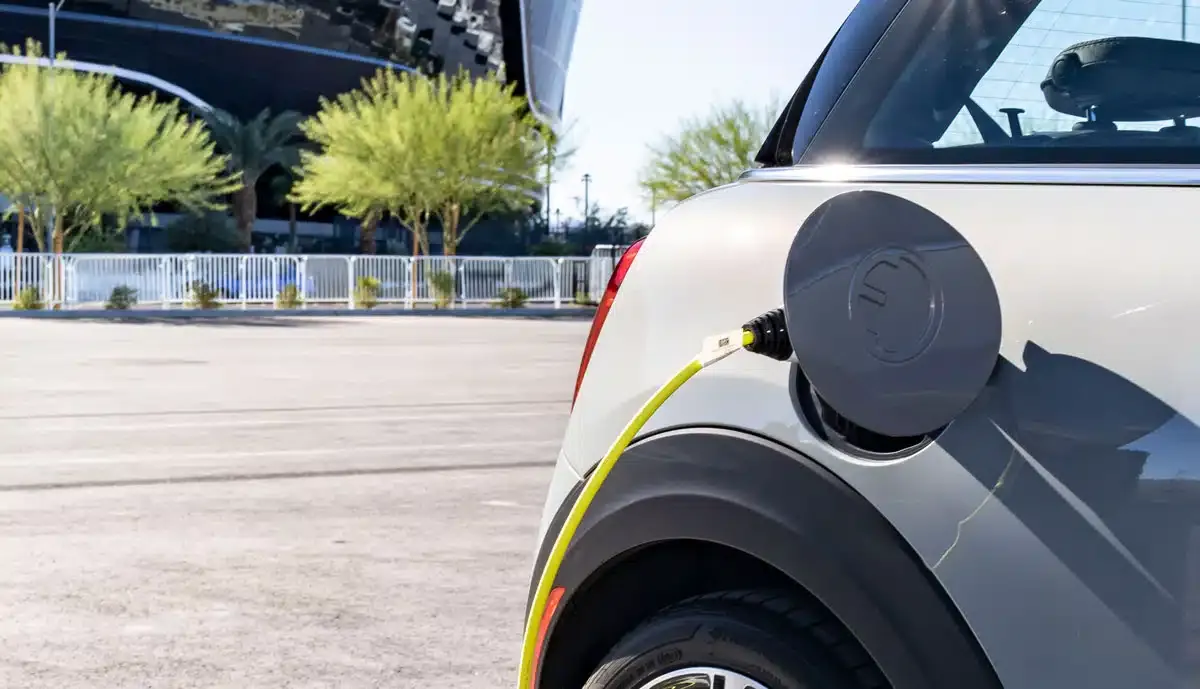
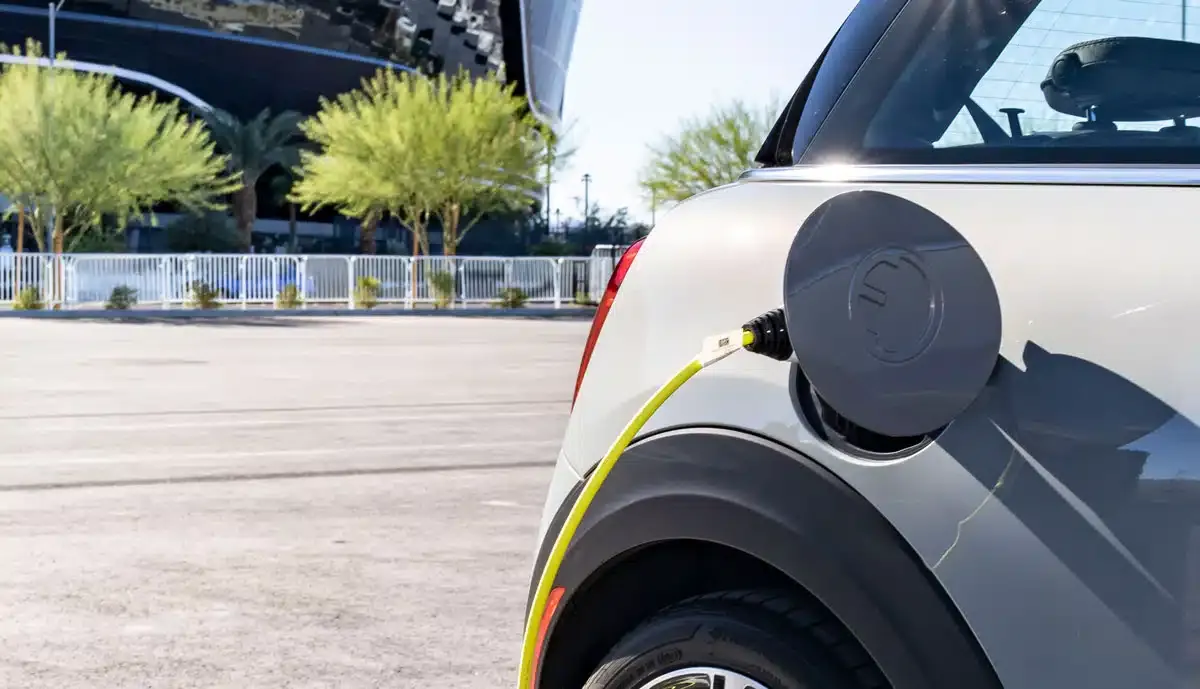
Image: BMW (illustrative)
Frank Schwope, an automotive consultant and lecturer at the Fachhochschule des Mittelstands in Berlin, does not see any easing for Germany’s automotive industry even in 2027. German and European manufacturers are facing a new challenge from Asia, with competition from China approaching the European market in a much more aggressive manner. In terms of electric mobility and autonomous driving, Germany and Europe have so far had little to offer in comparison to Chinese and American providers.
The industry expert told Comdirect Magazine that in the short term, internal combustion engine technologies in Europe and especially in the US now have better prospects than a few years ago. German manufacturers continued to benefit from strong brand loyalty, while profits from internal combustion engine business could ease the transition process. However, in the medium to long term, there is “no way around” electric mobility.
Schwope does not expect German manufacturers to return to their previous sales levels in China. Volkswagen Group sold more than two million vehicles per half year at its best, but in the first six months of 2026, the figure was not even one million. For Volkswagen and other German manufacturers, the priority is first to stabilize sales figures.
E-Vehicle Subsidies “Waste of Tax Money”
Schwope rejects electric car purchase incentives, calling them “complete nonsense and a waste of tax money.” He claims the price gap between conventional diesel and gasoline engines and electric drives is already narrowing. Additionally, he criticizes subsidies for plug-in hybrids, pointing out that the temporary suspension of electric vehicle incentives under former Minister Habeck caused artificial fluctuations in the market.
Schwope also identifies strategic mistakes by German manufacturers, as decisions on direction were made too late or too abruptly. BMW is in the best position, as the company kept its technology options open and equipped plants for internal combustion engines, hybrids, and electric vehicles. The newly launched all-electric vehicle platform “Neue Klasse” is a source of hope, but it must prove its success through sales figures in the coming years.
Volkswagen faces severe problems and overcapacity, which strain margins and profits. Yet the company achieved a profit of just under seven billion euros after taxes in the previous year and over three billion euros in the first half of 2026. Therefore, Schwope believes panic is unwarranted, but he sees a need for restructuring as well as a clear corporate strategy and vision.
The expert describes Mercedes as directionless, having abandoned both its luxury strategy and its “Electric-only Strategy.” In contrast, U.S. electric vehicle leader Tesla is not seen by Schwope as a traditional automaker but rather as a bet on the technological future. What’s crucial now is whether Tesla’s technology will gain traction in autonomous driving and whether its robotics business is as promising as CEO Elon Musk claims.
Also interesting
About the author
Thomas Langenbucher is an expert in electromobility with experience in the automotive and financial industries. Since 2011, he has been covering electric vehicles, sustainable technologies, and mobility solutions for ecomento.de. Learn more.
Reader interactions