
Former Volkswagen Group CEO Herbert Diess bets on electric cars as energy storage devices
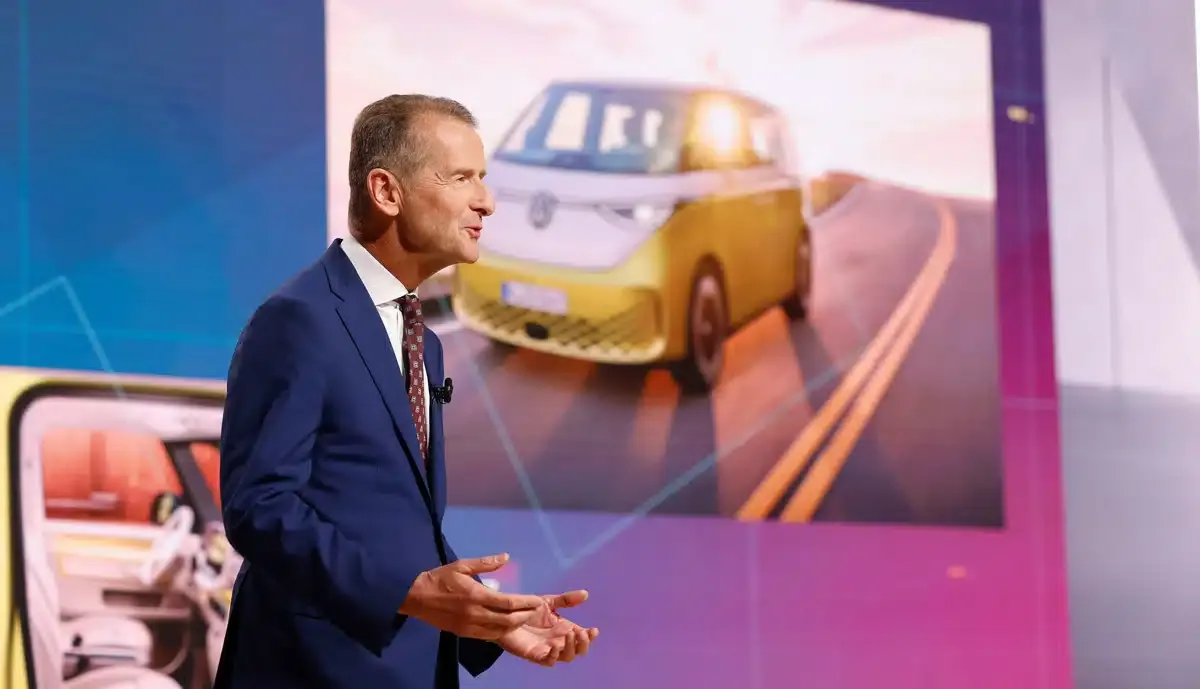
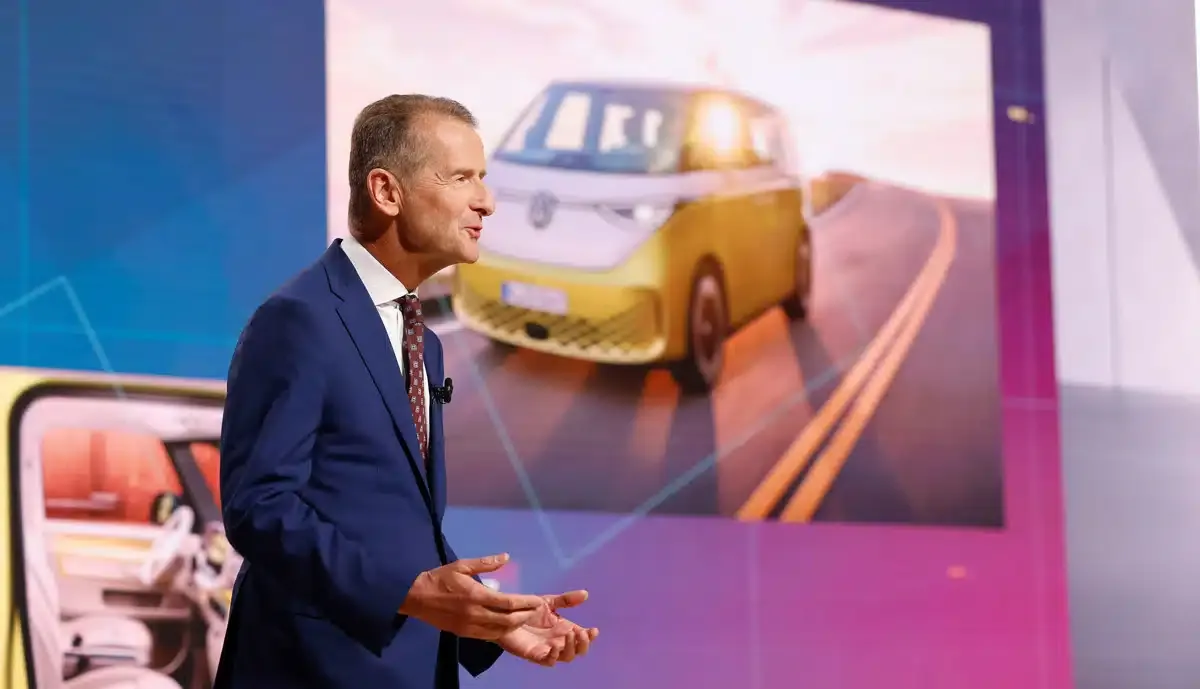
Image: VW (illustrative)
Former Volkswagen CEO Herbert Diess drives mainly electric vehicles according to his own statements, often uses public transportation, and typically rides a bicycle in Munich. In an interview with the Frankfurter Rundschau, he described his Ferrari as one of his last internal combustion engines and intends to sell it. For future mobility, he envisions a combination of bicycles, public transport, and clean, quiet cars. Motorized transportation will be electric wherever a motor is needed.
Today, Diess is among other things the chairman of the board of directors at the energy and technology company The Mobility House. He views electric vehicles as playing a crucial role as energy storage devices. With the nearly two million electric cars on German roads, a significant portion of the solar power generated during the day can be shifted to evening and night without substantially limiting vehicle usage. Owners could charge when prices are low and feed energy back into their homes or the grid when electricity is more expensive. In the long term, “Vehicle-to-Grid” revenues (V2G) could become possible as batteries provide flexibility to the power system.
According to Diess, a wallbox is needed for two-way charging at around 2000 euros, with a product from The Mobility House set to become available starting in 2027. The company estimates that the wallbox could pay for itself within about a year, though the actual savings depend on factors such as the vehicle type, electricity rate, usage duration, and solar installation. Diess expects initial applications to emerge at the beginning of 2027, significant growth throughout the year, and further volume expansion in 2028. Many new electric cars are already technically ready for this purpose.
Diess cites regulatory requirements as an obstacle, referring to the planned reduction of the power output from electric cars and solar systems to half their installed capacity. He argues that electricity should be stored when it is abundant and cheap in the grid, and only fed back in during shortages and higher prices. He believes the shift toward electric cars cannot be stopped because electrical systems are “much more efficient.”
Bidirectional Charging: An Opportunity for Germany’s Auto Industry
Diess advocates sticking to the EU goal of phasing out new cars with fossil fuel engines by 2035. He sees bidirectional charging as a potential opportunity for Germany’s automotive industry, as it requires the coordination of wall chargers, energy trading systems, technically prepared vehicles, and appropriate software. Germany has the industrial chain in place, ranging from semiconductors to chargers and power grids to vehicles. At the same time, he describes competition as having become more fierce, citing price pressure from Chinese manufacturers.
In terms of electricity costs, Diess sees grid fees as the main problem. He cites grid charges of ten cents or more per kilowatt hour in Germany and points out there are over 800 grid operators — a number that must be reduced. At the same time, he advocates for more moderate expansion of the grid and greater use of local storage. “We need to make use of existing batteries instead of constantly building new grids and fossil fuel power plants.”
By 2050, Diess expects a largely electric system, “probably much earlier.” He anticipates lower costs for cars, trucks, and agricultural machinery, as well as reduced CO₂ emissions, no nitrogen oxides from diesel engines, and less noise. Autonomous systems could, in his view, drive much safer than the average person by 2030. Despite autonomous vehicles, Diess expects many people to still want to own their own car.
Also interesting
About the author
Thomas Langenbucher is an expert in electromobility with experience in the automotive and financial industries. Since 2011, he has been covering electric cars, sustainable technologies, and mobility solutions for ecomento.de. Learn more.
Reader interactions