
EVP secures majority against binding EV quotas for large corporate fleets
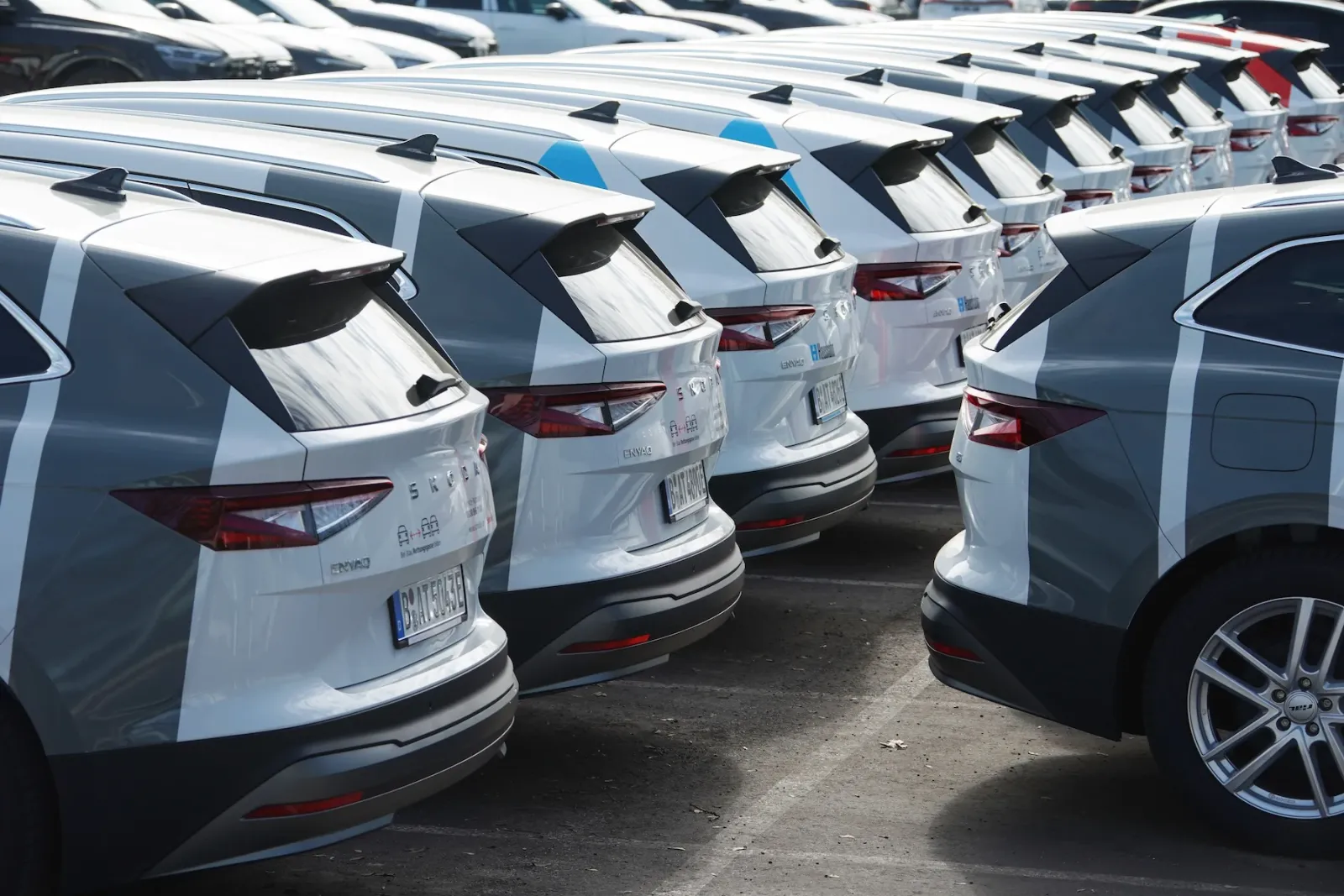
The EU Commission's draft Auto Package previously included a passage stating that member states should receive specific mandates from 2030 to accelerate the adoption of electric company cars. In the European Parliament, the proposed binding quotas are now likely to be downgraded to voluntary targets.
Image: Skoda
Automobilwoche reports that the Conservatives (EVP), Social Democrats (S&D) and Liberals (Renew) have agreed on a joint position stating that EU member states will not, after all, be subject to binding electric vehicle quotas for corporate fleets. The trade publication cites representatives from these groups, collectively referred to as the Centre Platform. EVP Member of the European Parliament Jens Gieseke, Chair of the Transport Committee, told _Automobilwoche_: “For corporate fleets, we have found a good compromise with the other groups that protects fleet operators from major burdens.”
The background is that, in the ‘Auto Package’ presented by the EU Commission at the end of last year, the Commission had proposed imposing specific requirements on member states for the electrification of company cars starting in 2030 – with different targets for each country. The official reasoning was “to support the introduction of zero-emission and low-emission vehicles by large companies”. The inspiration for this section of the draft was Belgium’s successful company car taxation scheme, which has led to a sharp rise in EV sales in the country.
However, as a result of the compromise between the three groups, this aspect of the Auto Package is now set to be significantly watered down. The binding targets originally proposed in the draft (“binding targets”) are now to be reclassified as so-called aspirational commitments (“aspirational targets”). “This means the targets remain voluntary, and member states will not face penalties for failing to meet them,” writes _Automobilwoche_.
This compromise increasingly clarifies how the Auto Package draft will change before the final vote in the European Parliament’s plenary session. To see how it originally looked, you can read about it here. Central to the parliamentary debate is, of course, the relaxation of the so-called EU combustion engine phase-out. The Industry and Transport Committees have already voted on this, with their decisions serving as a guide for the further legislative process. The result: a majority in both the Industry and Transport Committees supports a softening of CO₂ regulations, which the Centre Platform had also internally agreed upon shortly beforehand.
Regarding CO₂ fleet limits, the Centre Platform specifically proposes that manufacturers should only be required to reduce CO₂ emissions from new cars by 95 per cent instead of 100 per cent (compared to 2021) by 2035. However, they may achieve an additional 7.5 percentage points reduction if they use European-made, climate-friendly steel in their vehicles as compensation. In such cases, the savings target could therefore drop to 87.5 per cent by 2035. According to the three groups, this would still leave room for further registrations of new combustion engine and hybrid vehicles even after 2035.
The next step, according to information from Spiegel, is for the Environment Committee to vote in early November, with the plenary session likely to follow in December.