
EVP, S&D, and Renew want voluntary EV targets for corporate fleets starting in 2030.
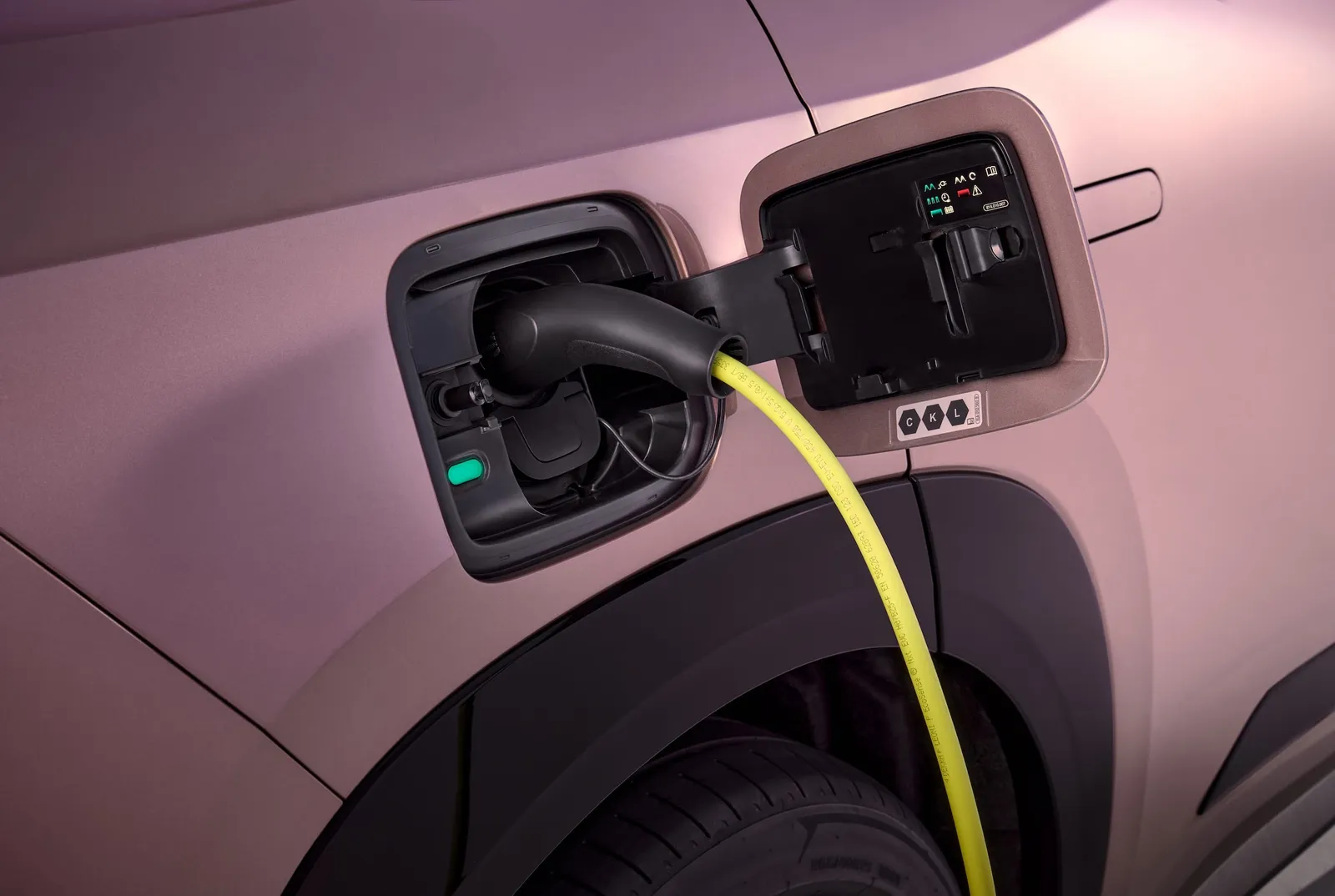
The three largest center-party groups in the European Parliament—conservatives (EVP), social democrats (S&D), and liberals (Renew)—have agreed on a common position. According to Automobilwoche, member states will not receive binding quotas for electric vehicles in large corporate fleets. The European Commission included these provisions in the Auto Package, and the Parliament is now turning them into non-punitive targets.
Jens Gieseke of the EVP and head of the transport committee told the newspaper, “For corporate fleets, we have found a good compromise with other groups that protects fleet operators from heavy burdens.”
The requirement becomes a declaration
By the end of 2025, the Commission proposed that starting in 2030 each country should have its own separate target for electrifying commercial vehicles. The official rationale was to support the adoption of zero- and low-emission vehicles in large companies. The Belgian system for taxing commercial vehicles served as a model, which significantly boosted electric vehicle sales there.
Under the compromise, the “binding targets” are set to become “aspirational goals.” Automobilwoche states explicitly that the targets remain voluntary, and countries will not face penalties for failing to meet them. Belgium thus provided a concrete example, but the Parliament only adopts its slogan.
CO2 by 2035: 95 percent instead of 100 percent.
The same agreement applies to CO2 limits for vehicle manufacturers. The Central Platform proposes that by 2035, new cars must reduce emissions by 95 percent compared to 2021 levels, rather than 100 percent.
There is also a loophole. The manufacturer can receive an additional 7.5 percentage points in reduction if they use European, low-emission steel. In that case, the target would drop to 87.5% by 2035. According to three groups, this leaves room to register new gasoline and hybrid cars even after 2035.
The Industry and Transport Committee has already voted. In both cases, the majority supported relaxing the CO2 regulations previously agreed upon by the center-right platform. These votes set the direction for further work on the entire package.
What’s next
According to Spiegel, the Environment Committee is set to vote in early November. A full Parliament vote is likely to take place in December. Therefore, the text could still change.
A voluntary target without penalties functions like a suggestion, so corporate fleets will likely be determined more by national tax policies than by Brussels.
LovEV Newsletter
Want more content like this?
Sign up — we’ll send you a weekly roundup once the newsletter starts.