
EVP mobilizes majority against binding e-quotas for large corporate fleets
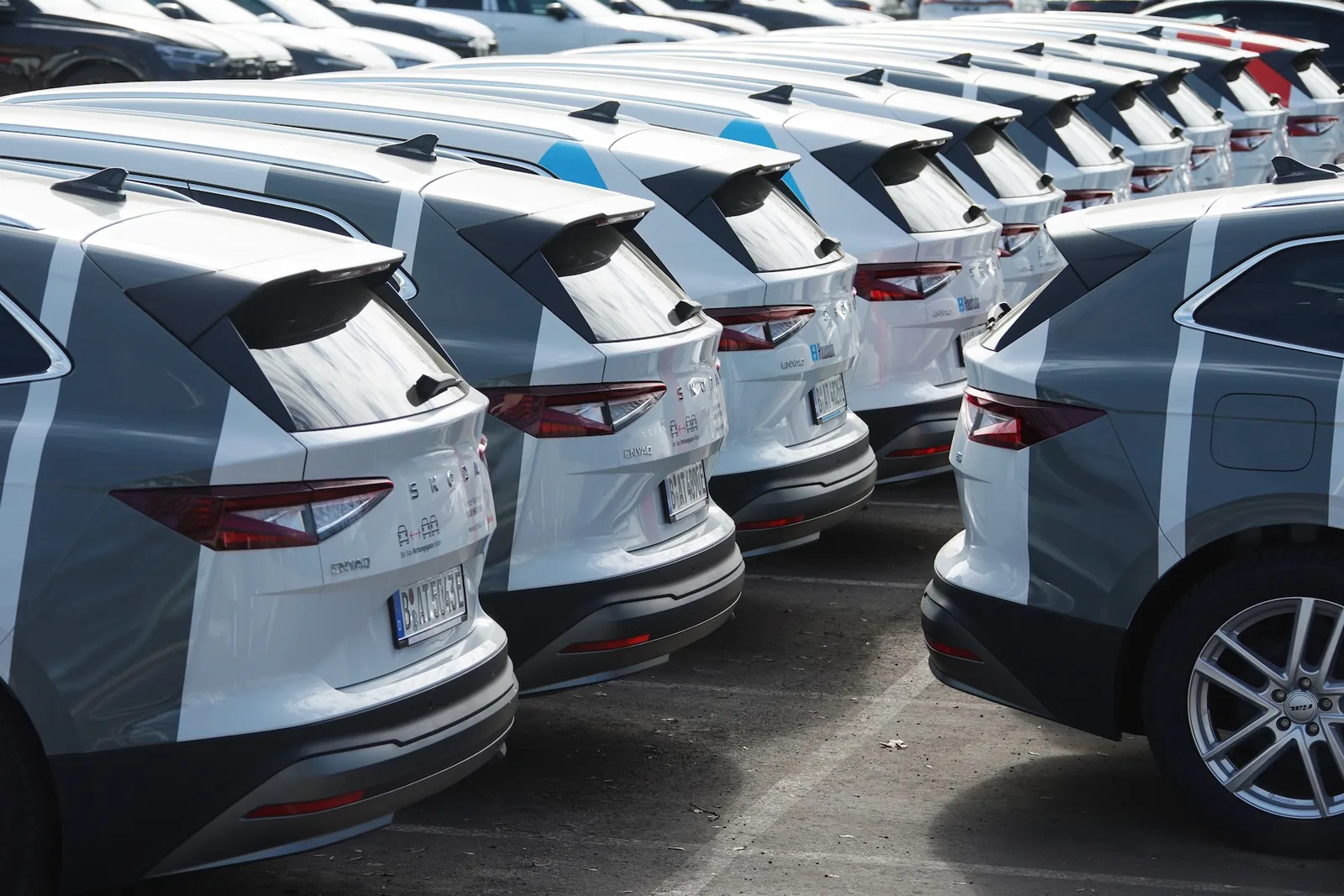
When introducing the "Auto-Paket," the EU Commission included a clause in its draft stating that member states should receive specific guidelines for increasing the use of electric business vehicles starting in 2030. In the European Parliament, the proposed mandatory quotas may now be downgraded to voluntary targets.
Image: Skoda
The Automobilwoche reports that Conservatives (EVP), Social Democrats (S&D), and Liberals (Renew) have reached a common position stating that there should be no mandatory electric vehicle quotas for corporate fleets in member states after all. The industry magazine cites representatives from these factions, collectively known as the Center Platform. Jens Gieseke, an EVP lawmaker and head of the Transport Committee in the European Parliament, told the Automobilwoche: “For corporate fleets, we have found a good compromise with the other factions that protects fleet owners from excessive burdens.”
The background is that the EU Commission wanted to impose specific requirements for the electrification of business vehicles starting in 2030 under the “Auto-Paket” package introduced to member states at the end of last year – with different requirements for each country. This was done “to support large companies in introducing zero-emission and low-emission vehicles,” according to official statements. The successful corporate vehicle taxation system in Belgium served as inspiration for this provision in the draft, as it led to a sharp increase in electric vehicle sales there.
The compromise reached by the three mentioned factions aims to significantly weaken this aspect of the auto package. The mandatory quotas intended in the original draft are now set to remain only as so-called aspirational targets. “This keeps the goals voluntary, eliminating any potential penalties for member states that fail to meet them,” writes Automobilwoche.
This compromise makes it increasingly clear how much the draft for the auto package has changed before the final vote in the European Parliament plenary. You can read about its original version here. At the heart of the parliamentary debate is, of course, relaxing the so-called phase-out of internal combustion engines in the EU. The Industry and Transport Committee has already voted on this matter, with their decisions considered a guide for further committee proceedings. The result: the majority of the Industry and Transport Committee favors easing CO2 regulations, a stance that the center-party group had also agreed upon internally shortly before.
The Middle Platform specifically proposes that by 2035, manufacturers only need to reduce the CO2 emissions of their new vehicles by 95 percent instead of 100 percent (compared to 2021), though they may go even lower by an additional 7.5 percentage points if they use climate-friendly steel produced in Europe as a compensation measure in their vehicles. According to this draft, the reduction target could thus drop to 87.5 percent by 2035 in extreme cases. As intended by the three factions, there will still be room for further registrations of internal combustion engine and hybrid vehicles after 2035 as well.
According to Spiegel, the Environment Committee is scheduled to vote on this next, with the plenary session likely following in December.