
eVED explained: How new tax rules will affect every EV driver
Advice · News
Everything you need to know about the new pay-per-mile tax on electric cars, from how much it costs to how it will operate
MA
Matt Allan
29 October 2026, 15:49 GMT · 4 min read
UK Chancellor John Healey confirmed in his 2026 Budget that the Government is to press ahead with plans for a new eVED system of vehicle tax.
The scheme, first proposed in Rachel Reeves’s 2025 Budget, will see electric car drivers hit with a pay-per-mile tax to fill a growing hole in fuel duty revenue and help pay for the upkeep of Britain’s roads.
There are still some details to be ironed out, but here we’ve got a simple guide to what eVED is and what it means for EV drivers around the UK.
How much will eVED cost?
There will be two levels of eVED – one for pure electric vehicles (BEV) and one for plug-in (PHEV) and fuel cell vehicles (FCEV).
Drivers of pure EVs will be charged 3p per mile.
Drivers of PHEV and FCEVs will pay 1.5p per mile.
The Office for Budget Responsibility estimates the new tax it will cost a BEV driver covering 8,500 miles per year an additional £255 annually.
The per-mile rate will also increase each year in line with Consumer Prices Inflation (CPI).
When is eVED being introduced?
The new pay–per-mile rules will come into effect on 1 April 2028.
Drivers will be subject to the new tax from the first time they renew their vehicle tax after that date.
How will the eVED system work?
The new eVED system will be administered by the Driver and Vehicle Licensing Agency (DVLA) and place new demands on all drivers.
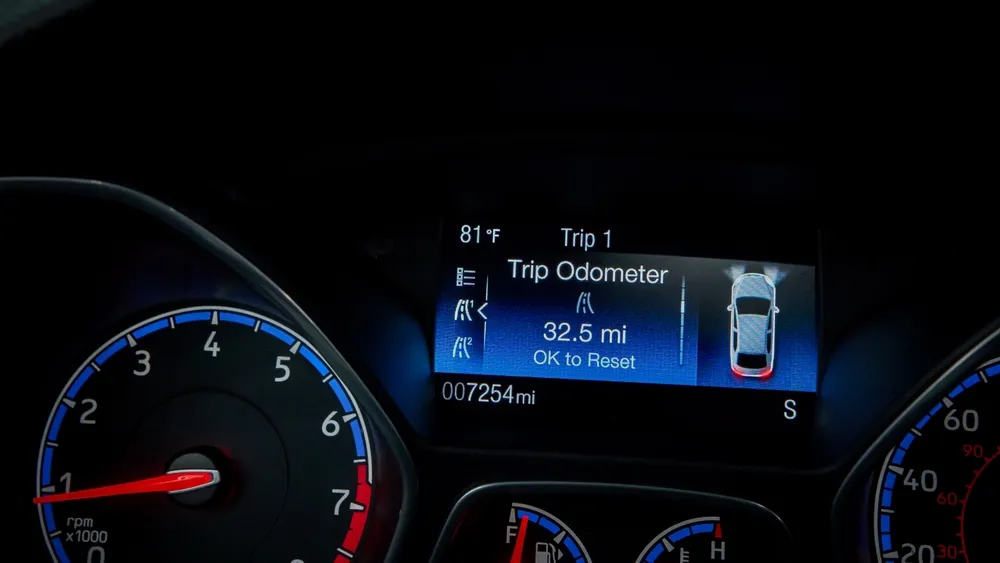
All EV/PHEV/FCEV drivers will be required to submit annual odometer (mileage) readings. They will then have to estimate their mileage for the year ahead.
Based on that, they will be charged an up-front tax of 3p/1.5p per mile. This will be paid either in a lump sum or spread across the year.
At the end of the year, the estimated mileage will be compared with the new odometer reading for “reconciliation”. Refunds or additional charges will then be applied depending on whether the estimate is over or under the real mileage.
Despite mileage data being included in MOT results, drivers will be expected to submit their own odometer readings, which will be checked against MOT data for cars over three years old.
The Government says it is still working with leasing and rental companies to establish a “special arrangements” to allow them to submit readings and estimates for large numbers of vehicles.
Will all EV drivers be affected?
Yes, all drivers of electric cars, plug-in hybrid cars and hydrogen fuel cell vehicles such as the Toyota Mirai will have to pay eVED.
Will eVED replace existing car tax?
No, Sadly not.
The new pay-per-mile tax will be in addition to existing Vehicle Excise Duty (VED), more commonly known as road tax or car tax.
That currently stands at £10 in the first year of registration for an EV, then £200 per year after that.
EVs with a list price of more than £50,000 also attract the Expensive Car Supplement – an additional £440 annual tax applied from years two to six after first registration.
Why is the Government introducing eVED?
The simple answer is that it needs the money.
Currently, the Treasury makes around £24 billion per year in fuel duty, which is applied per litre to all petrol and diesel sales.
As sales of EVs increase and use of petrol and diesel cars decline, that revenue is falling. It is estimated that by the 2030s, it will have halved to around £12bn per year.
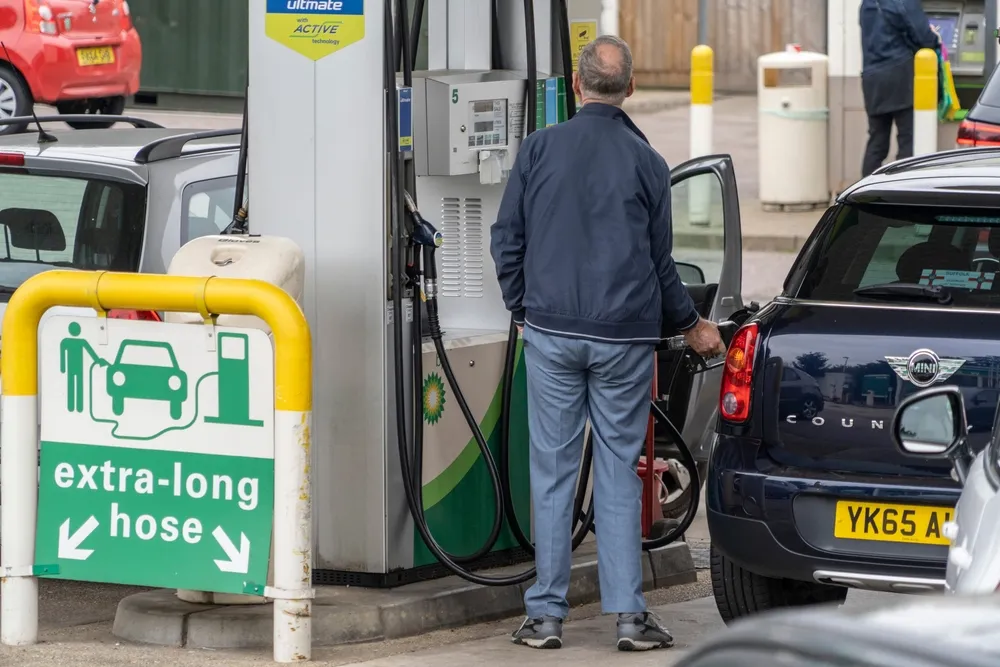
The Government says that since EVs contribute to wear and tear on the roads in the same way as any other car, their owners should contribute financially in the same way as petrol and diesel drivers.
It says that a pay-per-mile tax on EVs is equivalent to the fuel duty on petrol and diesel cars, which sees drivers pay different amounts based on how much they drive.
The Government says that it expects the changes to affect drivers’ experiences of dealing with the DVLA and have a “material” impact on businesses running large fleets due to increased administration processes and associated costs. It also expects it to bring additional administration costs for the DVLA and DVSA.
The Office for Budget Responsibility (OBR) also estimates that the tax could discourage drivers from switching to an EV, and could cut EV sales by 120,000 units between 2025 and 2031, seeing more drivers retain polluting petrol and diesel cars for longer.