
Europe registered 277,000 electric vehicles in July. One out of every four new cars already has a charging port or battery.
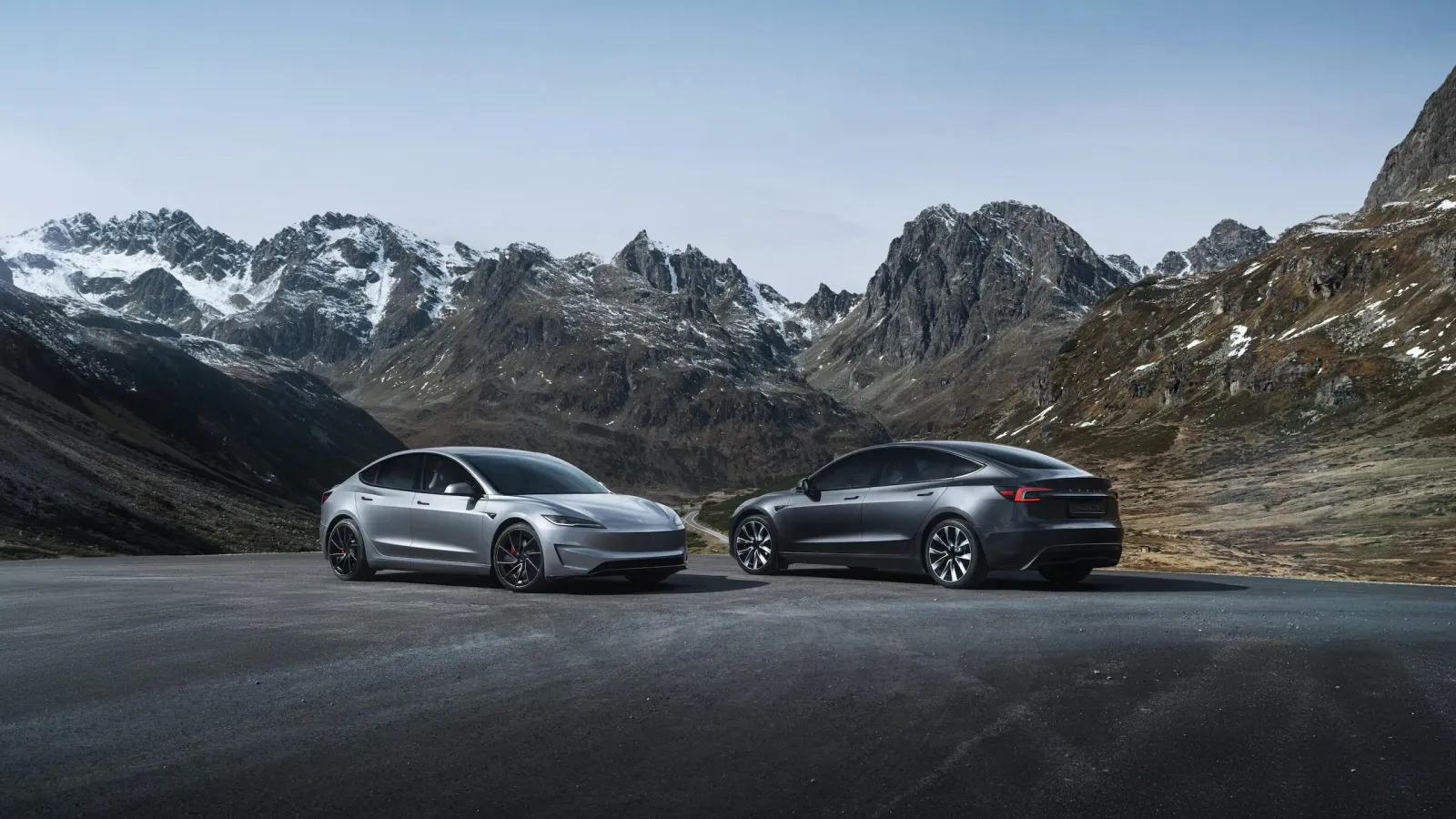
In July 2026, fully electric vehicles accounted for 25-25.7% of the new car market in Europe, depending on the calculation methodology and range of countries included. This reflects 224,266 BEV registrations within the EU alone, or 277,006 in a broader Europe that includes countries such as the United Kingdom, Norway, and Switzerland. For drivers, one thing is clear: electric vehicles are no longer a niche market, while internal combustion engine cars are declining faster than analysts predicted just a year ago.
Table of Contents
Show
Hide
The difference between 224,000 and 277,000 does not indicate data inconsistency. It simply means that one set of statistics covers the EU, while the other covers almost the entire European new car market. The trend remains the same.
Strong July for BEVs, with the overall market growing much more slowly
The strongest signal from July is simple. Electric vehicles grew faster than the overall market. On a broader European scale, EV sales rose by 51% year on year, while the entire new car market grew by only 4.1%. For the EU alone, BEV growth was 13.6% year on year.
At first glance, these figures seem contradictory. It’s again a matter of methodology. Different companies count different sets of countries and different types of propulsion systems under the umbrella term “EV.” Some refer only to BEVs, while others use the term more broadly, but the common denominator remains the same: electric vehicles are growing significantly faster than gasoline, diesel, and even traditional hybrids.
From January to the end of July, nearly 1.5 million electric cars were registered in Europe, representing a 30-37 percent increase compared to the same period in 2025. In the first half alone, according to ACEA for the EU, 1,220,890 BEVs were registered, accounting for 20.7 percent of the market share compared to 15.6 percent the previous year.
This is no longer a rebound from a weak quarter. It is sustained growth, though it remains heavily dependent on specific countries and local policies.
Germany and France lead the way, while the North has long taken the lead
The two largest markets in the Union had the best performance in July. Germany recorded 78,609 BEV registrations, accounting for 29.3 percent of new car sales. France reached 44,378 registrations, with a share of 35 percent.
It is these two countries that balanced out weaker demand in much of the rest of Europe. And it’s not just about scale—growth rate matters too. In the first half of the year, France saw a 62.9% increase in BEVs, while Germany had a 48% rise. Denmark added 41.2% growth.
In the north and in the Benelux, electrification already seems like the new normal in some cases. Denmark reached 80.1% BEV penetration in July, Finland at 52.6%, the Netherlands at 47.3%, Belgium at 42.8%, and Sweden at 42.6%. At these levels, the discussion isn’t about “whether EVs will be accepted,” but rather “how quickly they will take over the rest of the market.”
At the other end of the spectrum are the countries in Central and Southern Europe. Poland had around 4% penetration, while the Czech Republic had 7.5%. They still lag far behind in Europe. In short, the West and North are buying electric vehicles in large numbers, while our region is still more focused on prices than placing orders.
When subsidies disappear, the market slows down immediately
Italy is the best example. After the previous support ended, BEV share there dropped from 10.1 percent in June to 5.9 percent in July. This cannot be neatly framed by marketing as “growing interest in electrification.” Customers care about the monthly payment or purchase price, not the manufacturer’s presentation.
This is actually a broader conclusion from European data. Where policy is predictable, BEV sales grow. Where support fades or changes from month to month, demand plummets quickly. Electric vehicles are now mature enough to capture large market shares, but they aren’t yet cheap enough everywhere to succeed without any incentives.
Rising fuel prices and an expanding range of models also contribute to this growth. This is a crucial factor, especially for fleet and private drivers who compare not only the purchase price but also the operating costs over 3-5 years.
Hybrids remain number one, but gasoline and diesel are falling faster
ACEA presents an interesting picture of the first half of 2026 in the EU. Full hybrids remain the most popular type, accounting for 37.3 percent and around 2.2 million vehicles. Plug-in hybrids have also seen growth, reaching 9.8 percent of the market, corresponding to 577,735 registrations.
In terms of PHEVs, Italy saw the highest growth at 84.3 percent, followed by Spain at 39 percent and Germany at 17.9 percent. In July, PHEV sales in Europe increased by 15 percent to 125,530 units. Full hybrids grew by 9 percent in the same month.
But the most interesting developments are on the exhaust side. Gasoline cars in the EU dropped by 17.2% in the first half of the year, with their share shrinking to 22.2%. Diesel cars fell by 16.5%, leaving them with only a 7.5% share. Gasoline was hit hardest in France, where sales dropped by as much as 34.2%.
This already looks like a real shift in market structure, rather than a temporary fluctuation. Hybrids still hold a large share of the market, but BEVs are taking over the space once occupied by gasoline and diesel cars.
Tesla doesn’t win every month anymore, as Chinese brands make strong inroads into PHEVs
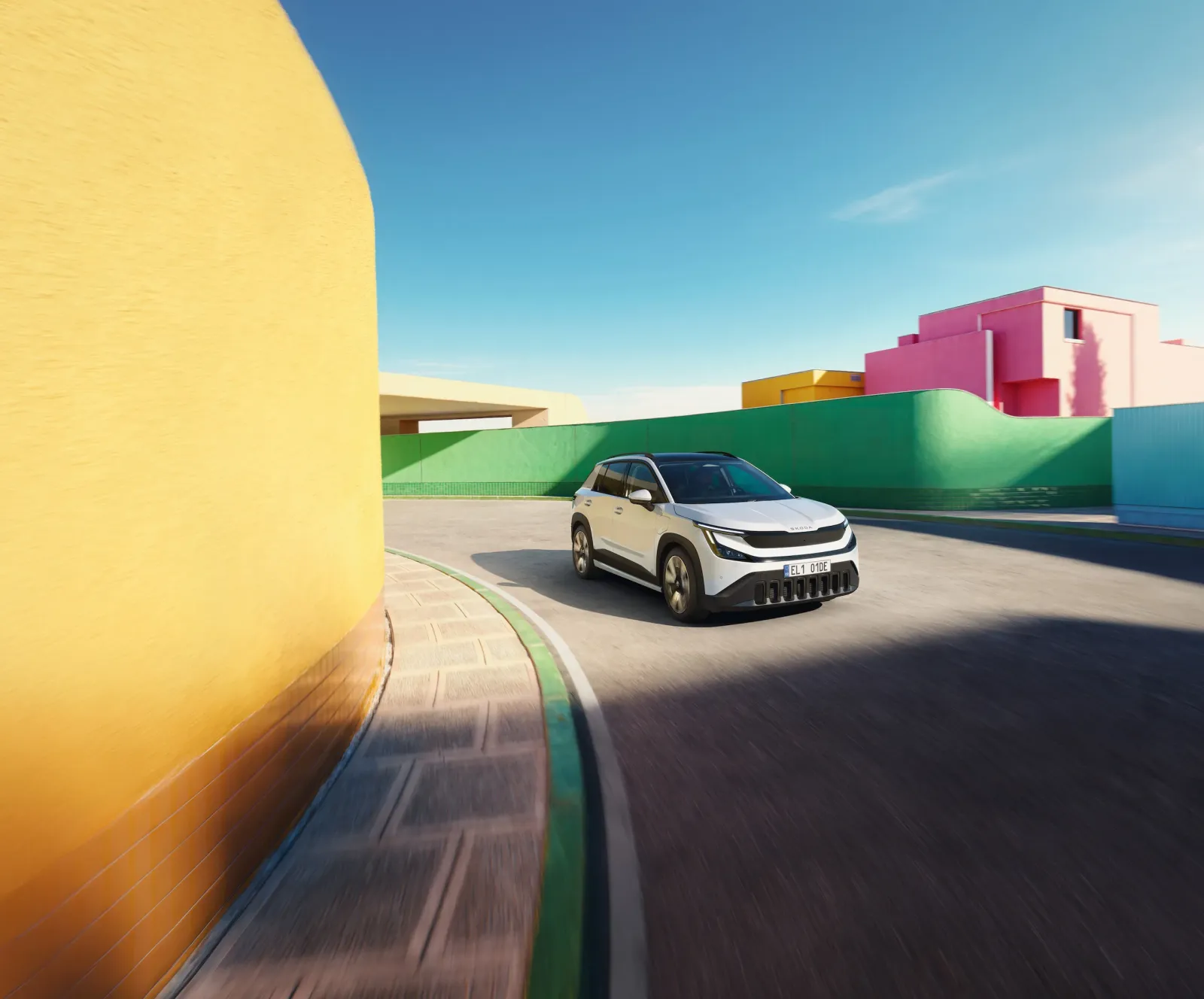
July brought another interesting signal. The best-selling electric car in Europe was not Tesla, but the Skoda Elroq. Behind it were the Volkswagen ID.4 and Renault 5 E-Tech. This shows that the market is becoming more normalized, with no single dominant player and a wide range of models available.
Tesla still holds a strong position when looking at cumulative sales. After seven months of 2026, the Tesla Model Y remained the best-selling BEV in Europe with 115,759 registrations, representing a 55% increase. The Skoda Elroq came in second with 67,679 units, while the Tesla Model 3 ranked third with 57,086 cars.
The situation is even more interesting in the PHEV segment. There, Chinese brands take advantage of tariff gaps, as imported plug-in hybrids from China are not subject to the same high tariffs as some electric vehicles. The result? In July, Chinese models accounted for 34% of the PHEV market in Europe and occupied nearly half of the top ten positions.
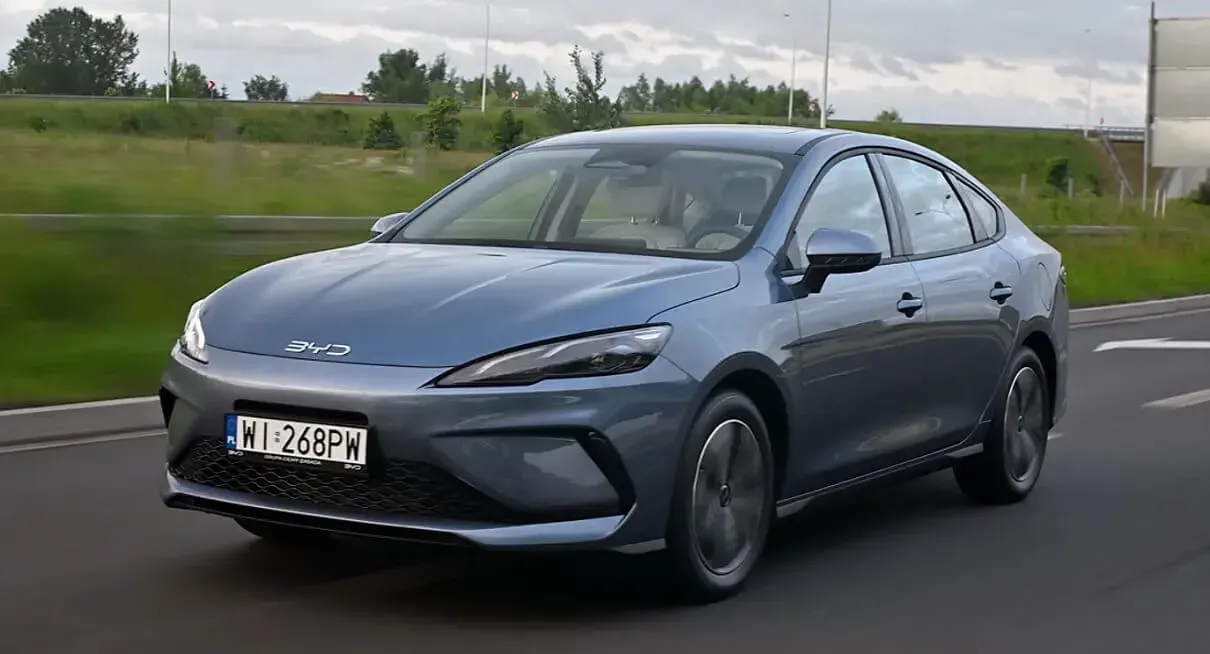
The best-selling plug-in hybrid was the BYD Seal U, followed by the BYD Atto 2, with the Jaecoo 7 in fourth place. Throughout the period from January to July, the PHEV top three in Europe were entirely Chinese.
This could be a problem for European manufacturers. In the BEV segment, they defend themselves with a wide range of models and local production. In PHEVs, the Chinese have entered the market from the side and are doing so effectively.
Europe is moving toward electric vehicles faster than previously estimated, but it also shows that without stable conditions even a positive trend can struggle. What do you think drives the EV market more today: fuel prices, a wider range of models, or subsidies?
Order your Tesla and take advantage of bonuses for purchasing through the referral link!