
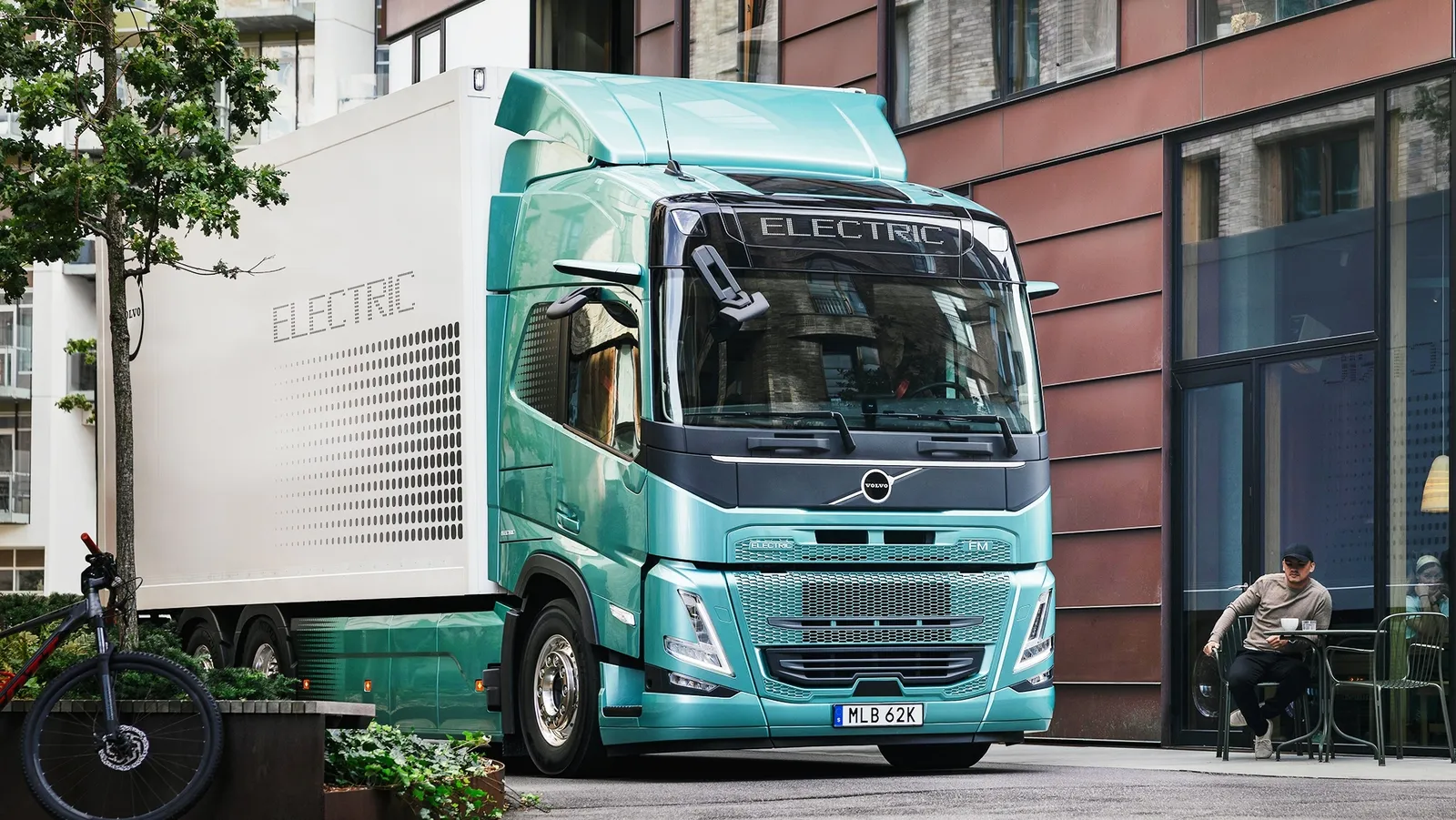
Europe already has nearly 40,000 electric trucks, but only 3,000 charging stations: the EU warns that “we need many more.”
04/10/2026 13:00
Updated to
04/10/2026 13:00
The electrification of heavy transport is advancing in Europe, but the infrastructure needed to support its growth remains one of its main challenges. The European Commission now wants to prioritize the installation of charging stations specifically for electric trucks and buses, using its main financing tools for transport for this purpose.
The announcement was made during a meeting held in Brussels, where several community representatives outlined the challenges still faced by the sector. Eric von Breska, Director for Investments, Innovative and Sustainable Transport at the European Commission, explained that funds from the ‘Connecting Europe Facility’ (CEF) and ‘Alternative Fuels Infrastructure Facility’ (AFIF) programs will be directed particularly toward such facilities. One reason is the continued reluctance of banks to finance charging infrastructure for heavy vehicles.
Almost 40,000 electric trucks and only 3,000 charging points
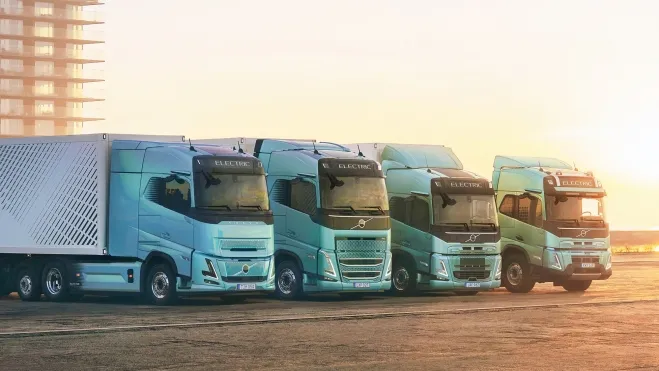
European Transport Commissioner Apostolos Tzitzikostas provided figures for the current situation. “According to the latest data, there are nearly 40,000 electric trucks registered in the EU. By the end of the year, we expect the number to be between 45,000 and 50,000,” he said during the meeting. This would mean the fleet of electric trucks has tripled in just 2 years.
However, public infrastructure is not growing at the same pace as vehicle projections. Currently, there are around 3,000 public charging stations suitable for electric trucks across the community. Although this represents a 60% increase from the previous year, Tzitzikostas himself acknowledged that the deployment is insufficient. “We need many more,” he said.
The concern grows when looking at projections for the coming years. According to estimates cited by the commissioner, around 400,000 zero-emission heavy vehicles will be on European roads by 2030. By then, it will be essential to have a network capable of meeting their energy needs, especially on major international transport routes.

Europe has already mobilized 1 billion euros
The European Commission also recalled the investments made to date. Since 2024, the EU has allocated 1 billion euros to support the decarbonization of various modes of transport. Approximately half of this amount, around 500 million euros, has been used specifically to promote the electrification of heavy vehicles.
However, the issue is not limited to financing new chargers. Facilities for electric trucks require high-power connections and sufficient capacity in the distribution networks. To address this problem, Brussels is working through the so-called electricity network legislative package and the electrification plan presented during the summer.
In addition, the Commission aims to work directly with companies in the sector to reduce the financial risk associated with these investments. The goal is to facilitate the installation of infrastructure even in areas where the current number of electric trucks does not yet allow for sufficient utilization of chargers.
"Without European support, there would be almost no electric mobility."
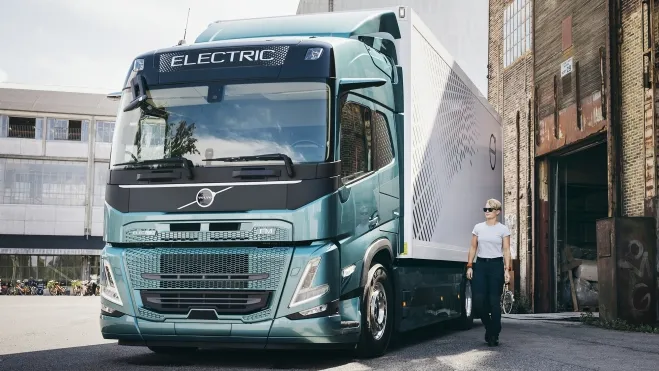
The differences between member states were also evident during the meeting. Jan Bezdekovsky, a representative from the Czech Republic’s Ministry of Transport, explained that between 200 and 300 electric trucks are currently in use in his country, while other community markets already have several thousand.
Bezdekovsky was particularly clear about the importance of community funding. He stated that without EU support, there would be no electric mobility in the Czech Republic, or its presence would be essentially symbolic. With such a small fleet of vehicles, it is especially difficult to convince private operators to invest in new charging stations.
That is why Brussels wants to prioritize these infrastructures now. The Commission believes it is necessary to anticipate the expected growth in zero-emission heavy transport and prevent a shortage of chargers from becoming an obstacle to the introduction of new electric trucks and buses.
