
Europe will require electric car batteries to last longer
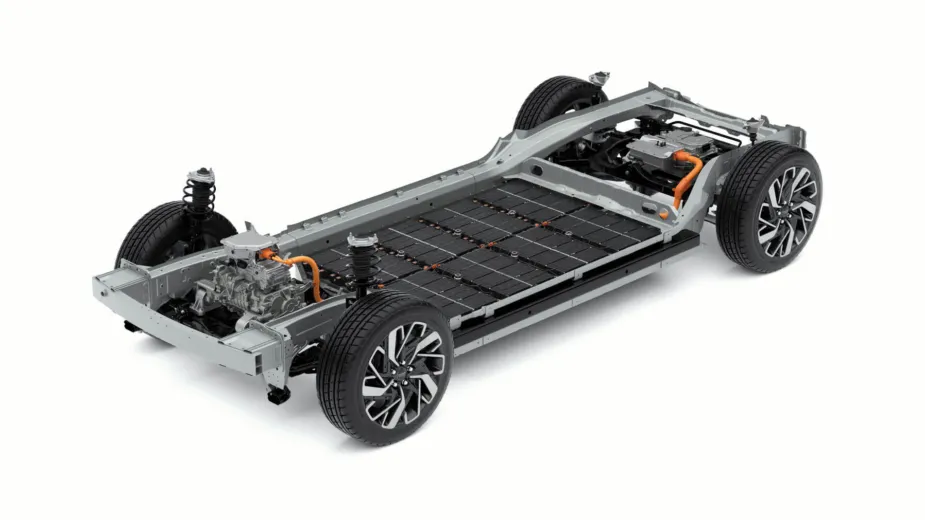
Euro 7 goes far beyond emissions and sets minimum capacity levels that electric and plug-in hybrid vehicles’ batteries must maintain over the years.
When we talk about Euro 7 standards, we immediately think of pollutant emissions, especially those coming from car exhausts. But the new European legislation goes further by establishing limits on battery degradation as well.
This rule applies to both 100% electric vehicles and plug-in hybrids, setting a minimum capacity that the battery must retain throughout its first few years of use.
What does it say?
According to Regulation (EU) 2024/1257, the batteries in light passenger cars (M1) must retain at least 80% of their initial capacity for five years or 100,000 kilometers, whichever comes first. After that period, up to eight years or 160,000 kilometers, the requirement drops to 72% of the initial capacity.
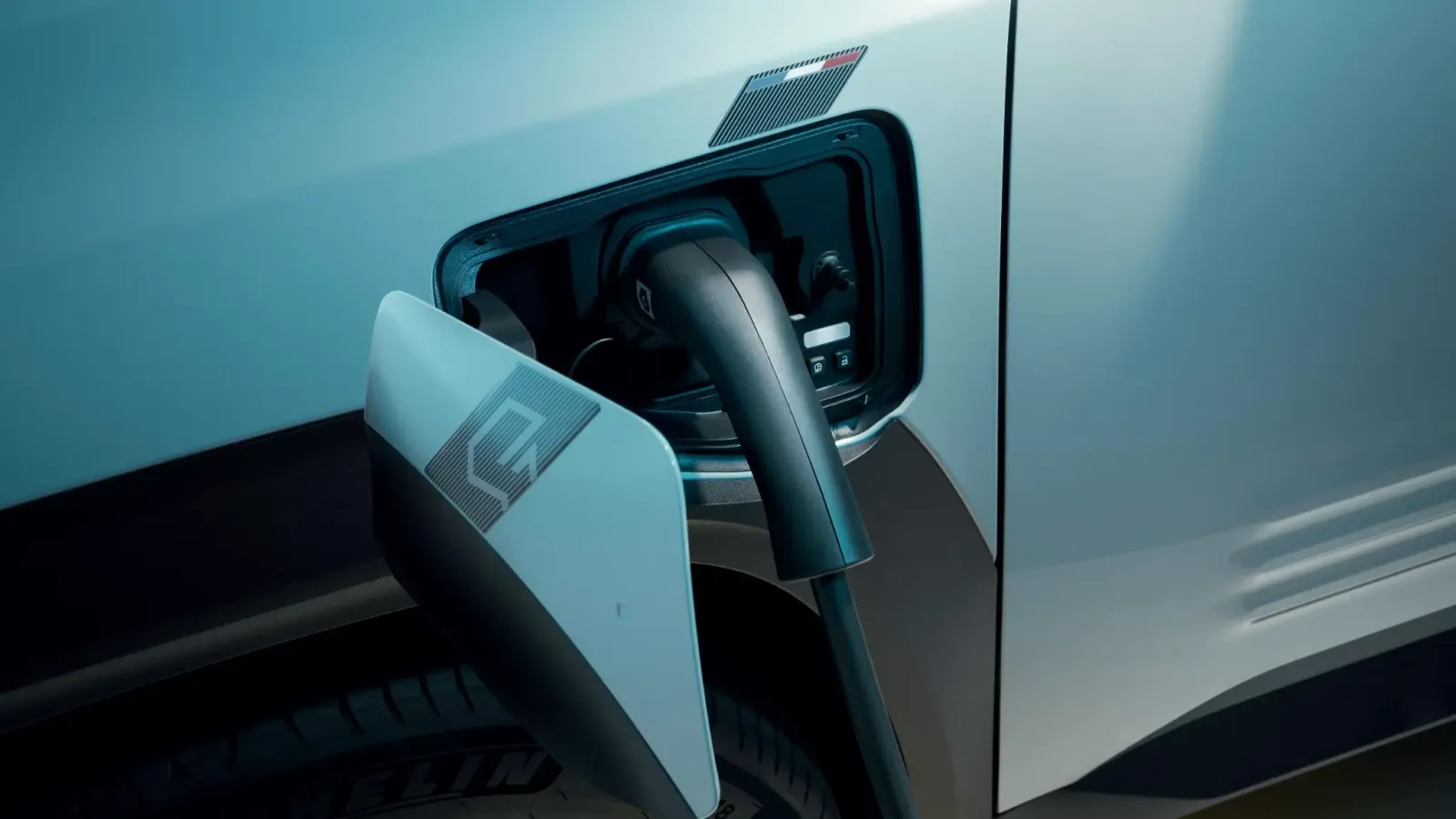
In practice, this means that for the durability requirements under Euro 7, an electric car that is 8 years old (or has traveled 160,000 kilometers, whichever comes first) still must retain at least 72% of the energy capacity it had when it left the factory.
It is important, however, to note that this does not mean all vehicles sold in Europe will now come with an 8-year battery warranty. Euro 7 sets minimum performance requirements for approval purposes; the specific terms of the warranty still depend on the manufacturer.
There are also rules for light commercial vehicles (N1), but the figures differ. In these cases, the battery must retain at least 75% of its initial capacity after five years, or 100,000 kilometers. The minimum requirement then rises to 67% after eight years, or 160,000 kilometers, whichever comes first.
How will it be measured?
The new standard also provides mechanisms for monitoring the battery’s condition. Among the relevant parameters is the battery’s health status, referred to by the acronym SOH, which stands for “State of Health.” This indicator allows determination of the battery’s capacity relative to its original capacity.
Euro 7 also sets requirements related to the monitoring and provision of information on battery condition, enabling tracking of its degradation over time as the vehicle is used.
When does it take effect?
For passenger cars and light commercial vehicles, the new rules will apply to vehicles that have not yet been approved — that is, new models not yet on the market — starting from November 29, 2026, and to all new vehicles starting from November 29, 2027.
In other words, it is starting in 2027 that these requirements will apply to all new electric and plug-in hybrid vehicles. Vehicles already on the road are not affected by these new requirements.