
Europe prepares to lose up to 350,000 jobs in the automotive sector
The European automotive industry is losing jobs at a much faster rate than it creates new ones. According to data from the suppliers’ association CLEPA, 104,000 fewer jobs were announced in Europe’s auxiliary industry during 2024 and 2025, compared to only 7,000 new positions reported in 2025. And the problem could worsen: CLEPA estimates that up to 350,000 jobs may be at risk by 2030 if current competitiveness challenges persist.
The transformation of the European automobile industry shows that replacing one set of jobs with another is not as simple as it might seem. Electrification requires new skills in batteries, electronics, software, and engineering, but many of these positions are not necessarily located in the same factories or countries where traditional jobs are disappearing. Moreover, European manufacturers and suppliers face a particularly challenging combination of high costs, reduced production, competition from China, and increasingly stringent regulations.
CLEPA’s general secretary, Benjamin Krieger, warns that job losses are progressing much faster than initially anticipated. Projections made a few years ago already indicated a reduction in jobs due to the shift toward electric cars, but the pace observed since 2024 has clearly exceeded those estimates. At the same time, suppliers are struggling to find engineers and software specialists—precisely some of the professionals who should become more important during the industry’s transformation.
The problem has another aspect as well: Europe is producing fewer cars. CLEPA estimates that vehicle production in the European Union in 2025 was approximately 20% lower than in 2019, representing a difference of around 3.1 million units. Projections indicate that production will remain practically stagnant starting in 2026, making it even harder to keep factories and supply chains operating at volumes much higher than current levels.
The situation is particularly striking because electric car production is indeed growing. CLEPA estimates that around 3.3 million electric cars were manufactured in the European Union in 2025, 23% more than the previous year, but this increase has not been enough to offset the decline in total production. In other words, Europe is producing more electric cars within an industrial market that as a whole manufactures fewer vehicles.
Germany accounts for much of the problem
Germany is one of the countries where this situation is becoming more apparent. The latest data from Germany’s Federal Statistical Office show that the automotive industry ended the first half of 2026 with 691,500 workers, 42,300 fewer than a year earlier. This represents a 5.8% decline and the lowest employment level since 2005. Among car manufacturers, the reduction was 6.1%, while among suppliers of parts and accessories it reached 7.6%, affecting up to 219,500 workers.
The German automotive industry association VDA considers the situation particularly concerning. Its latest projections indicate that Germany’s auto industry could lose another 125,000 jobs by 2035, on top of the approximately 100,000 jobs that have already been eliminated since 2019. Overall, the VDA estimates that employment could be around 225,000 jobs below its 2019 level by 2035.
The organization identifies several factors behind this trend. In addition to the lower manufacturing complexity of electric cars, there are high energy costs, labor expenses, bureaucracy, and industrial conditions that, according to VDA, are causing an increasing portion of new investments to flow to other countries. Thus, the technological transition is not only changing what type of workers the industry needs but also where these new jobs are created.
VDA itself believes that greater technological flexibility could help prevent some of these losses. According to its calculations, maintaining a role for plug-in hybrids (PHEV), extended-range electric vehicles (EREV), and other technologies could help preserve around 50,000 jobs in Germany. This position is clearly aligned with the interests of the German automotive industry and contrasts with the European Union’s approach to emission reduction, but it raises an issue that is gaining increasing importance: the speed of transition also has industrial consequences.
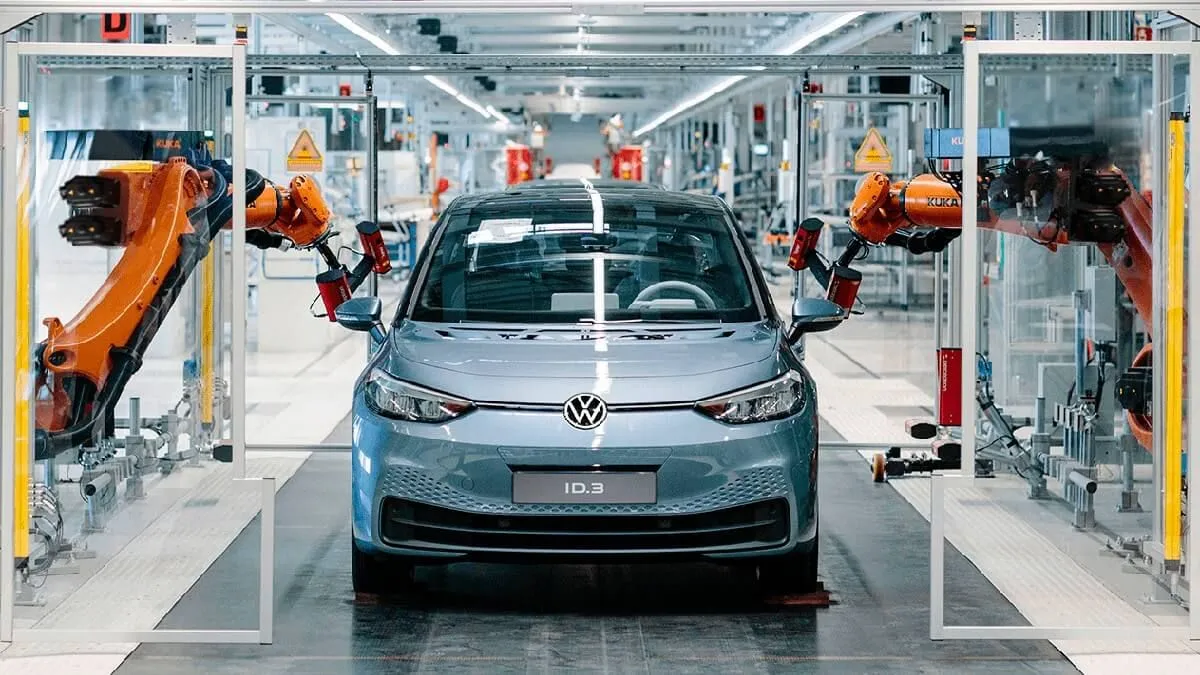
The major manufacturers are not immune either. Volkswagen approved a new plan in early September that calls for cutting 50,000 jobs by 2030, on top of another 50,000 jobs that are already being reduced. The company also acknowledges an excess production capacity of around 500,000 units in Europe and has questioned the long-term future of its factories in Emden, Zwickau, Hannover, and Neckarsulm.
Volkswagen’s case is particularly significant because some of its facilities have already undergone a complete transformation toward electric vehicles. For example, the Zwickau factory stopped producing combustion engine vehicles in 2020 and now manufactures models such as the Volkswagen ID.3, ID.4, and ID.5, as well as the Audi Q4 e-tron and Cupra Born. Despite this conversion, the plant remains affected by the excess capacity faced by the group.
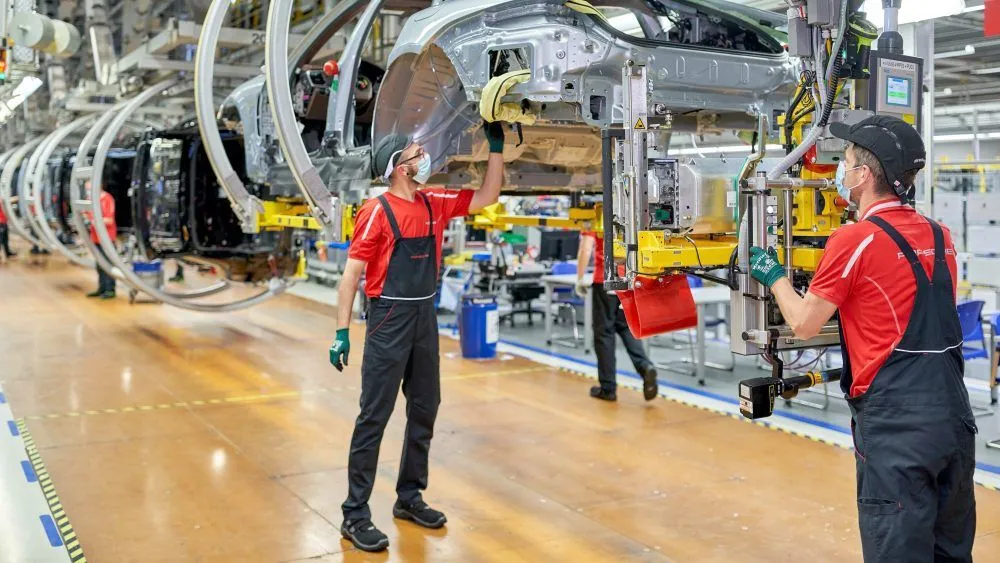
Porsche has also approved another significant cut. The German manufacturer will reduce another 5,000 jobs by 2035, primarily through retirements, natural turnover, and voluntary departures. This figure adds to the 3,900 positions already planned in its previous program, raising the total expected reduction to around 9,000 jobs. In exchange, Porsche has agreed to maintain job protection and its key German facilities until 2035, along with an investment of 2.1 billion euros in Zuffenhausen and Weissach.
BMW, on the other hand, is preparing to cut up to 8,000 jobs in Germany by the end of 2027, mainly through voluntary resignations and natural turnover. In this case, the cuts focus primarily on administrative and office positions, rather than production workers directly.
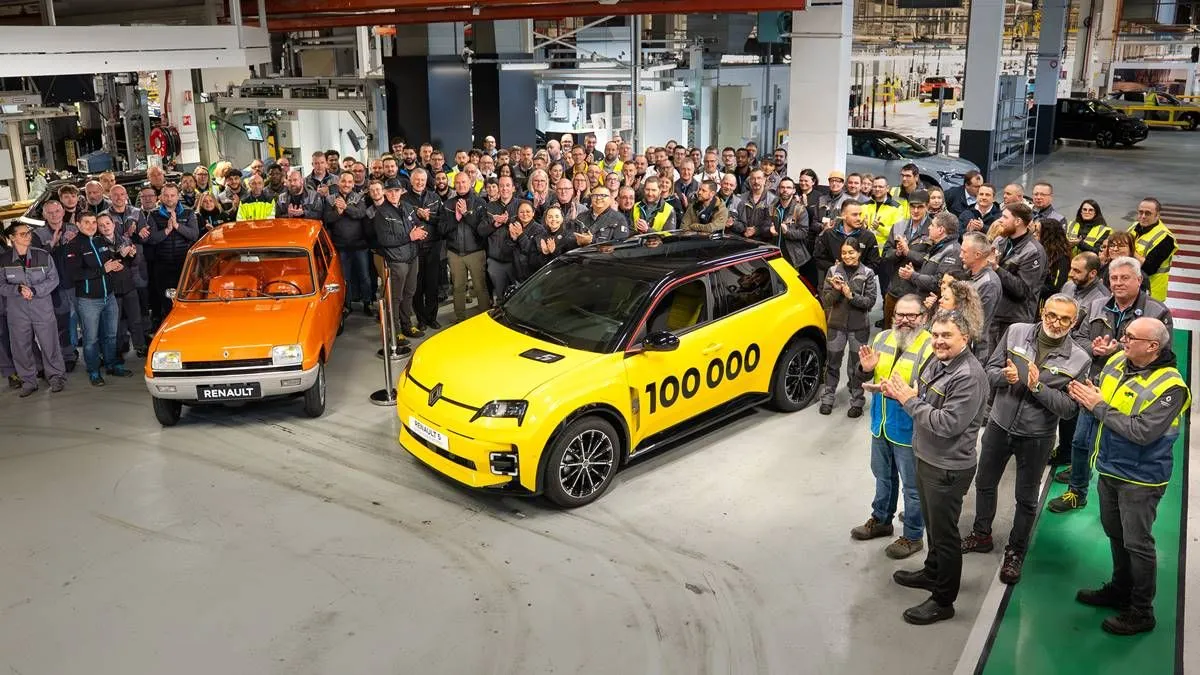
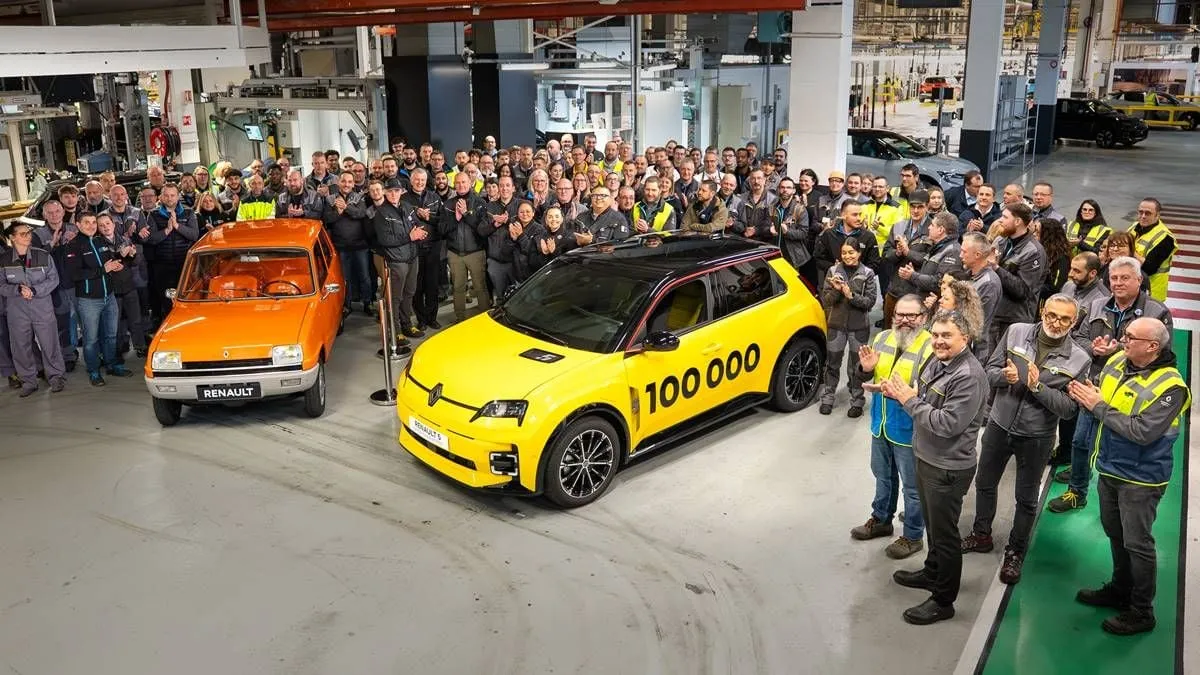
The problem isn’t limited to Germany either. Renault plans to cut around 800 engineering positions in France by the end of 2027, as part of a strategy to reduce its global engineering workforce by 15% to 20%. At the same time, the French manufacturer aims to hire new staff in areas related to electrification, software, and artificial intelligence, while also training and reassigning some of its current employees. This is likely one of the best examples of what’s happening: certain jobs disappear while others are created, but not necessarily for the same people or in the same fields.
Jaguar Land Rover has also announced around 4,000 fewer jobs over the next two years, as part of a cost-cutting plan amid falling sales, U.S. tariffs, and the British manufacturer’s difficulties. The cuts will primarily affect administrative, management, and research and development positions rather than workers on the production lines.
And that brings up one of the main challenges of transformation in Europe. The industry isn’t starting from scratch: automobiles remain one of the continent’s key industrial pillars. ACEA estimates that the sector provides direct and indirect employment for over 13 million Europeans and accounts for around 10.3% of the EU’s industrial employment.
The issue is that new investments do not guarantee that those millions of jobs can remain in the same locations. A factory that has been producing components for internal combustion engines for decades cannot suddenly become a battery, power electronics, or software factory overnight. Nor can all workers transition directly from one specialty to another without additional training.
CLEPA also warns that European suppliers face a cost disadvantage of 15% to 35% compared to regions with lower production costs. The association estimates that if current trends continue, Europe could lose up to 23% of the value added related to automobile component manufacturing by 2030, with resulting effects on employment.
ACEA agrees that the problem extends far beyond car manufacturers. The association calls for lower energy costs, less complex regulations, better charging infrastructure, and more resilient supply chains for batteries and raw materials. In its view, creating new jobs does not simply mean replacing an engine factory with a battery factory, especially if the new investments end up being made outside Europe.
Europe thus finds itself in an awkward situation. The transition to electric cars continues to progress, and the industry is investing billions to adapt, but that does not automatically mean the jobs lost during this process will reappear on the same continent. As European manufacturers and suppliers try to cut costs to compete with China and other markets, there is a risk that an increasing portion of manufacturing and new investments will end up moving outside Europe.
The figure of 350,000 jobs at risk by 2030 does not necessarily mean they will all disappear. It is an estimate from CLEPA based on the continuation of current trends. But it helps to illustrate the scale of the problem: Europe is not only at stake regarding what cars will be manufactured in the coming years, but also which part of the industry and associated employment will remain within its borders.