
Europe shoots itself in the foot by weakening its emission targets, but it will also boost small electric vehicles.

The European Parliament’s Environment Committee has backed a proposal by conservatives, social democrats, and liberals to weaken emission targets for cars: manufacturers will now need to achieve an 87.5% reduction by 2035 compared to 2021 levels (the previous target set by the European Commission was 90%); additionally, an extra 7.5% reduction can be applied if low-emission steel produced in Europe is used, bringing the total to 95%.
This revision was proposed last month by the European People’s Party, Renew Europe, and the Progressive Alliance of Socialists and Democrats, the three largest parties in Parliament. Another change is that small or highly efficient electric cars will be eligible for supercredits that will help manufacturers meet their targets more easily.
Thus, BEVs up to 4.2 meters in length manufactured in the European Union will be counted as 1.4 vehicles when calculating manufacturers’ average emissions, while European-made electric models that meet strict fuel consumption thresholds will be counted as 1.2 vehicles. If registered under a social leasing scheme, the multipliers will increase to 1.5 and 1.3 respectively.
For commercial vehicles, the reduction is 80%. Another new development is that vehicles powered by renewable fuels (biofuels, synthetic fuels, etc.) can be considered to have zero emissions if they meet certain requirements, which in practice allows brands to continue using internal combustion engines.
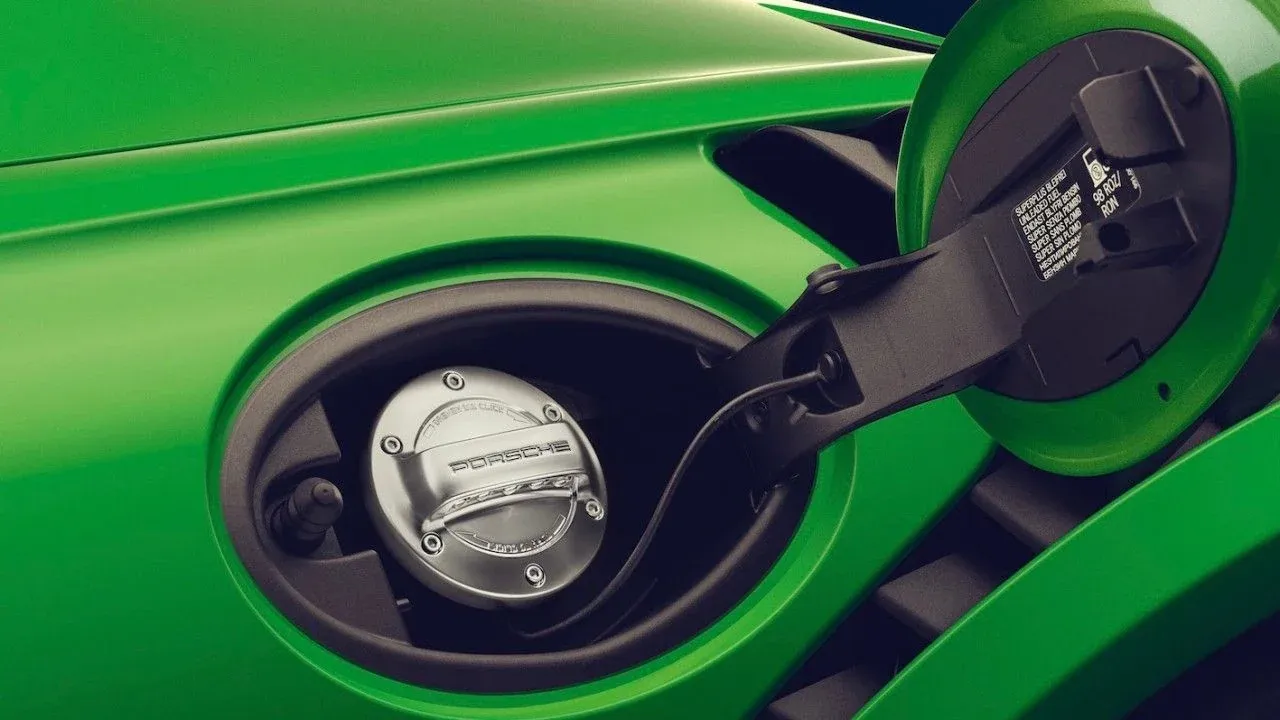
A Trojan horse to keep internal combustion engines alive?
The text will be voted on at the European Parliament’s plenary session in December. The rapporteur, Massimiliano Salini from Forza Italia (PPE), states that this agreement “marks a turning point for the European automotive industry,” as it “will still allow cars with internal combustion engines to be registered without compensatory requirements, thereby preserving technological freedom and restoring prospects for the entire supply chain.”
"Decarbonization does not mean imposing a single technology: in fact, we also recognize vehicles powered exclusively by renewable fuels that meet the Renewable Energy Directive as zero-emission vehicles, on par with electric vehicles."
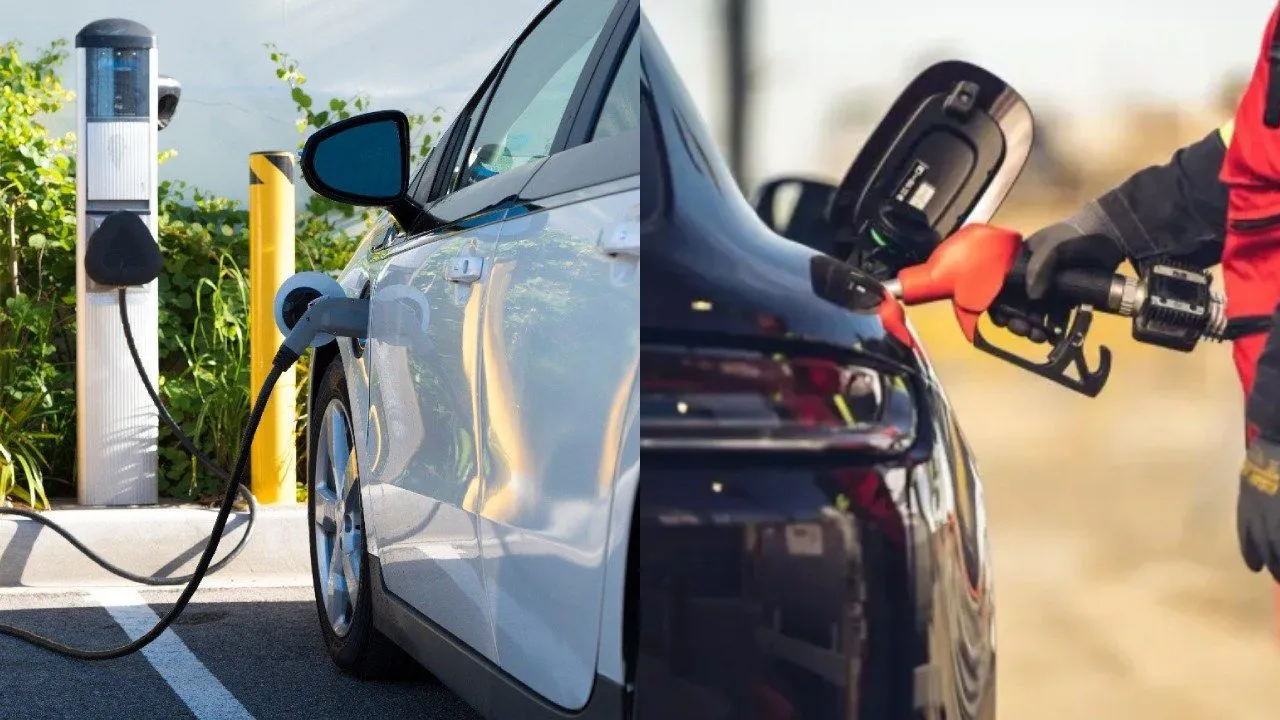
Transport & Environment emphasizes that this vote represents another step in the wrong direction, as considering vehicles powered by biofuels as zero-emission will divert investment from electrification efforts, undermining the sector’s competitiveness against China.
The environmental group states that the current average mix of biofuels provides an emission reduction of between 20% and 40%, but when considering the deforestation caused by the crops needed to synthesize such fuels, in practice 23% more greenhouse gases are emitted. Lucien Mathieu, director of Transport & Environment’s automotive program, says biofuels are “simply a regulatory Trojan horse designed to allow traditional polluting companies to continue operating as usual.”
Source | Reuters