
Europe is facing an unexpected problem: there are not enough batteries for all the electric cars.
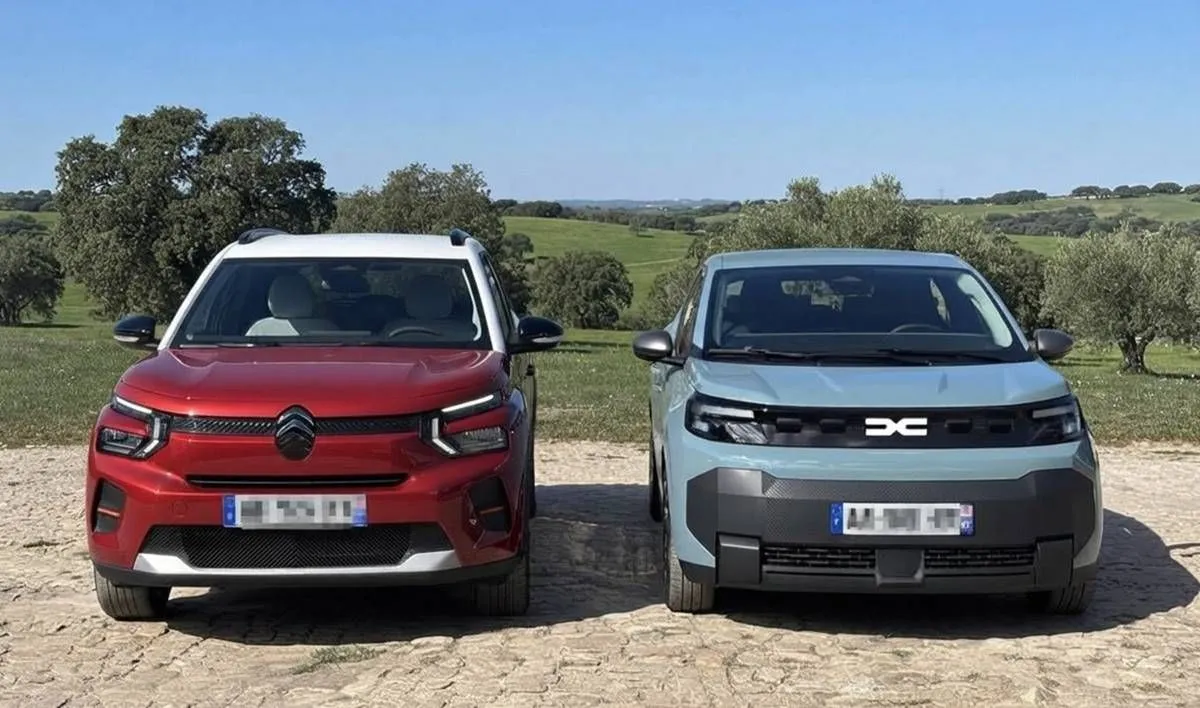
The surge in orders for electric cars is overwhelming some brands, while others have to extend delivery times by several months, putting pressure on suppliers of components such as batteries. Stellantis is one of the most affected and plans to temporarily shut down two French factories, as European battery production tries to keep up with the pace required by brands to serve their customers.
For years we’ve heard that the biggest challenge with electric cars was convincing buyers. Offering attractive models, adjusting prices, and making the switch seem easier. But in France, some manufacturers are facing another difficulty: fulfilling orders without waiting times draining customers’ patience.
A report by the French channel TF1 features Stéphanie, a buyer who recently picked up her car ordered in May. Five months passed between the order and delivery. Her experience highlights the strain caused by rising demand for certain brands and models.
At a Stellantis dealership in Rouen, manager Jean-Charles Beinier explains that electric cars now account for nearly half of their new car sales and about a third of their used car transactions. These figures are specific to that dealership, not the entire French market, but they reflect the changes observed on the ground.
The report links this interest to rising fuel prices, which are driving more drivers to seek alternatives. It also mentions wait times of three to five months when trying to order one of Tesla’s best-selling models in France, though it does not specify the exact model version or indicate that this wait time applies to all of its models.
European batteries slow down Stellantis’ production
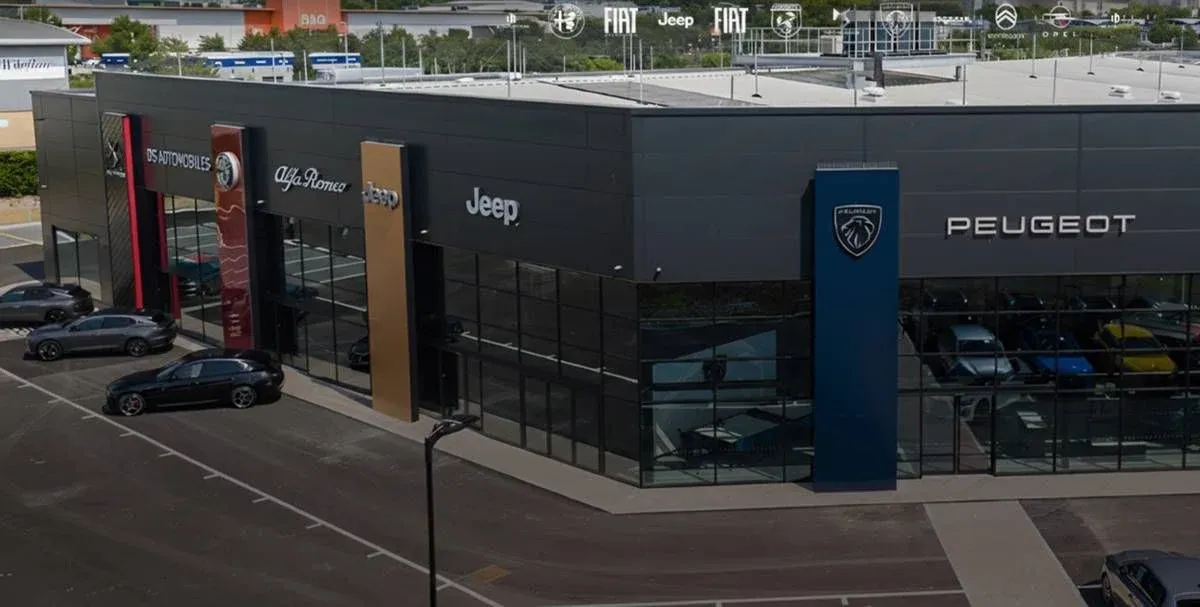
The most noticeable impact is seen in factories. According to information published by TF1, Stellantis plans to suspend operations at its plants in Sochaux and Rennes for a week in October. The reason given is a shortage of batteries to maintain production at the required pace. TF1 Info
Part of this supply depends on ACC, whose factory in Douvrin, in northern France, is still expanding its production capacity. The company admits it does not produce enough batteries, especially those for models with longer ranges. Having a factory operating does not mean it can immediately meet the volume demanded by its customers.
Matthieu Hubert, ACC’s general secretary, explains in the report that the company is learning to master both the chemistry and manufacturing process. Its priority is to increase production as quickly and efficiently as possible. This task now has direct implications for assembly lines and delivery timelines.
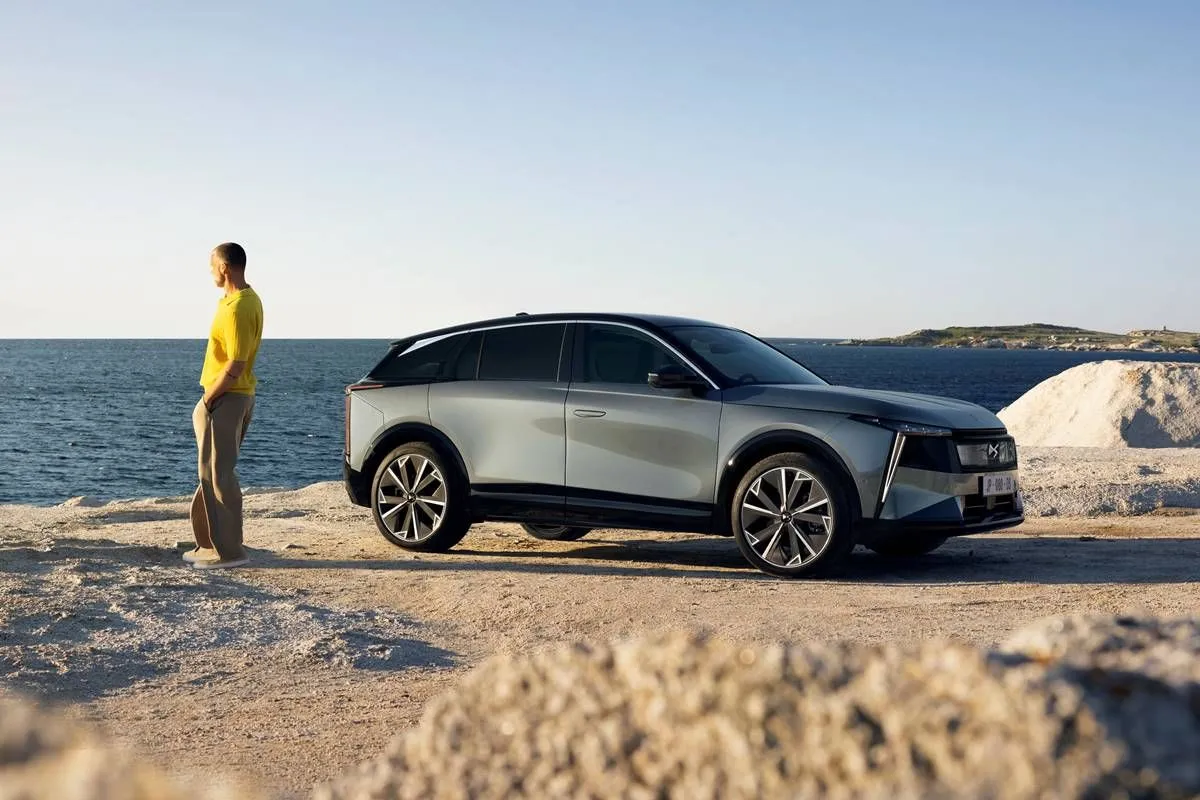
This requires clarifying the scope of the problem. What TF1 describes is a difficulty in obtaining certain European batteries in sufficient quantities. It does not indicate a general shortage of batteries across the market, nor that all manufacturers are facing the same constraints.
Turning to Chinese suppliers with more experience might seem like an obvious solution. However, the origin of the battery also affects the car’s commercial appeal. The report explains that higher French subsidies favor a combination of European assembly and batteries manufactured in Europe, so changing suppliers could impact the final price for buyers.
Renault’s CEO, François Provost, acknowledged this difficulty during the Paris Motor Show. According to his remarks to TF1, the challenge lies in securing enough European batteries so that customers can benefit from these incentives. The ability to assemble cars becomes pointless if the components needed to sell them at the most competitive prices do not arrive on time.
According to the report, subsidies can exceed 9,000 euros for low-income households when the relevant conditions are met. These include factors such as housing income, as well as the origin of the battery.
The French situation illustrates one of the challenges in developing a domestic battery industry: it is necessary to coordinate its growth with the launch of cars and with policies that encourage their purchase. If orders increase before factories can keep up, the pressure ends up falling on dealers.
A long-term project that should have been at a higher level years ago is now causing thousands of potential sales to be lost to brands with greater production capacity, such as those from China.