
Europe wants to curb Chinese hybrid cars: their imports have risen 13 times in less than 2 years
17/09/2026 12:05
Updated to
17/09/2026 12:05
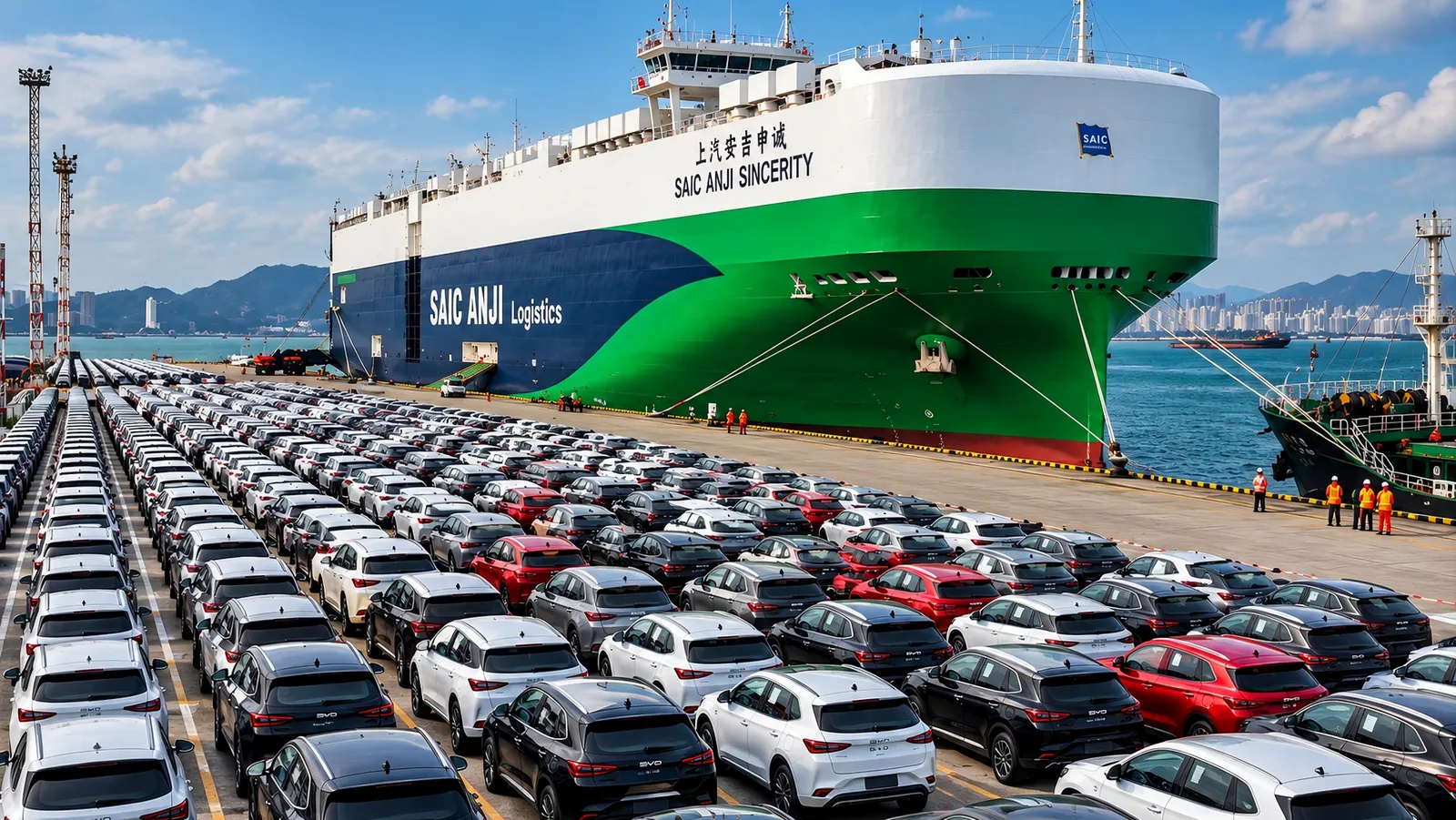
Europe has been trying to contain the expansion of Chinese electric vehicle manufacturers for almost two years. However, the measures taken by Brussels have overlooked another technology that is growing at an extraordinary pace and has now become a new source of tension: hybrid cars manufactured in China.
The European Union has asked Beijing to voluntarily limit exports of these vehicles as part of the trade negotiations between the two sides, according to The Financial Times, which cited several people familiar with the discussions. Brussels’ goal is for Chinese hybrids to account for around 15% of the European market, down from over a third currently.
The request does not yet mean approval of new tariffs or a formal restriction on imports. It is a proposal within the negotiations between Europe and China to avoid an escalation in trade tensions. However, one of the European officials consulted by the newspaper makes it clear that Brussels is ready to take action if no agreement is reached.
The origin of the problem lies in events that occurred since October 2024. While electric cars manufactured in China were subject to anti-subsidy tariffs that could significantly increase their tariff burden, hybrids continued to be taxed at the regular 10% rate. Since then, imports of these latter vehicles have surged.
From 3,800 to 50,000 Chinese hybrid cars
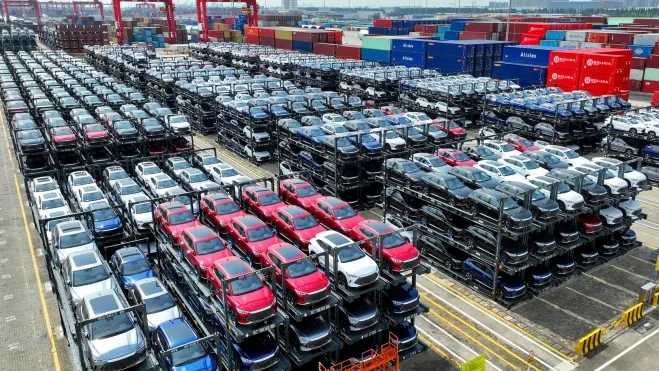
The figures help explain why Brussels has now focused on this technology. In October 2024, the European Union imported around 3,800 hybrid cars from China. By July 2026, that number had risen to approximately 50,000 units.
In less than two years, the monthly volume has thus increased by more than 13 times. Moreover, this growth occurred while the average price of imported vehicles declined, putting even greater pressure on European manufacturers.

This situation contrasts with that of fully electric cars. The European Union approved additional compensatory tariffs in October 2024 after completing its investigation into the government subsidies received by Chinese manufacturers. Hybrids were excluded from these measures and have since enjoyed much more favorable conditions for accessing the European market.
This has allowed Chinese manufacturers to expand their presence in Europe by leveraging a technology that is gaining increasing importance among European buyers. Conventional hybrids, and especially plug-in hybrids, have thus become another way for them to boost sales, while pure electric vehicles face greater trade barriers.
Brussels now aims to find a negotiated solution before resorting to new measures. According to the Financial Times, Europe wants China itself to voluntarily restrict its exports, although a European official warns that if Beijing does not do so, the European Union is prepared to intervene.
Europe fears another deindustrialization
The move comes just a day after Ursula von der Leyen publicly hardened her stance on trade relations with China. In her State of the Union address, the European Commission president stated that Europe’s trade deficit with the Asian country has already reached approximately 1 billion euros per day.
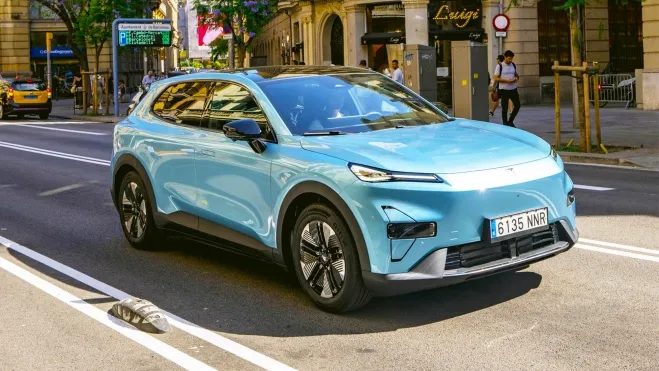
Von der Leyen believes Europe is already experiencing a second “China shock” that affects its factories and industrial regions, warning that the current situation is unsustainable. The president confirmed that Brussels is in talks with Beijing to rebalance trade relations and assured that the European Union will use available tools if such dialogue yields no results.
The automotive industry has become one of the main fronts in this dispute. European manufacturers are facing competition from Chinese firms capable of offering electric vehicles at highly competitive prices, while companies like BYD, Geely, and Chery continue to expand their industrial and commercial presence on the continent.
The proposal now shows that the debate is no longer limited to fully electric cars. With monthly imports of Chinese hybrids more than 13 times higher since October 2024, this technology has become the next battleground in trade between Europe and China.