
Europe was "wasting time with lawyers and judges" while China was making progress "in technology and engineering," according to this technology expert on China's rise.
For years, the debate over global technological leadership has been shaped by factors such as regulation, investment, and geopolitics. However, one of the less visible yet most decisive elements has been the educational and professional approach adopted by major powers. In this regard, the differences between China and Western countries have been profound.
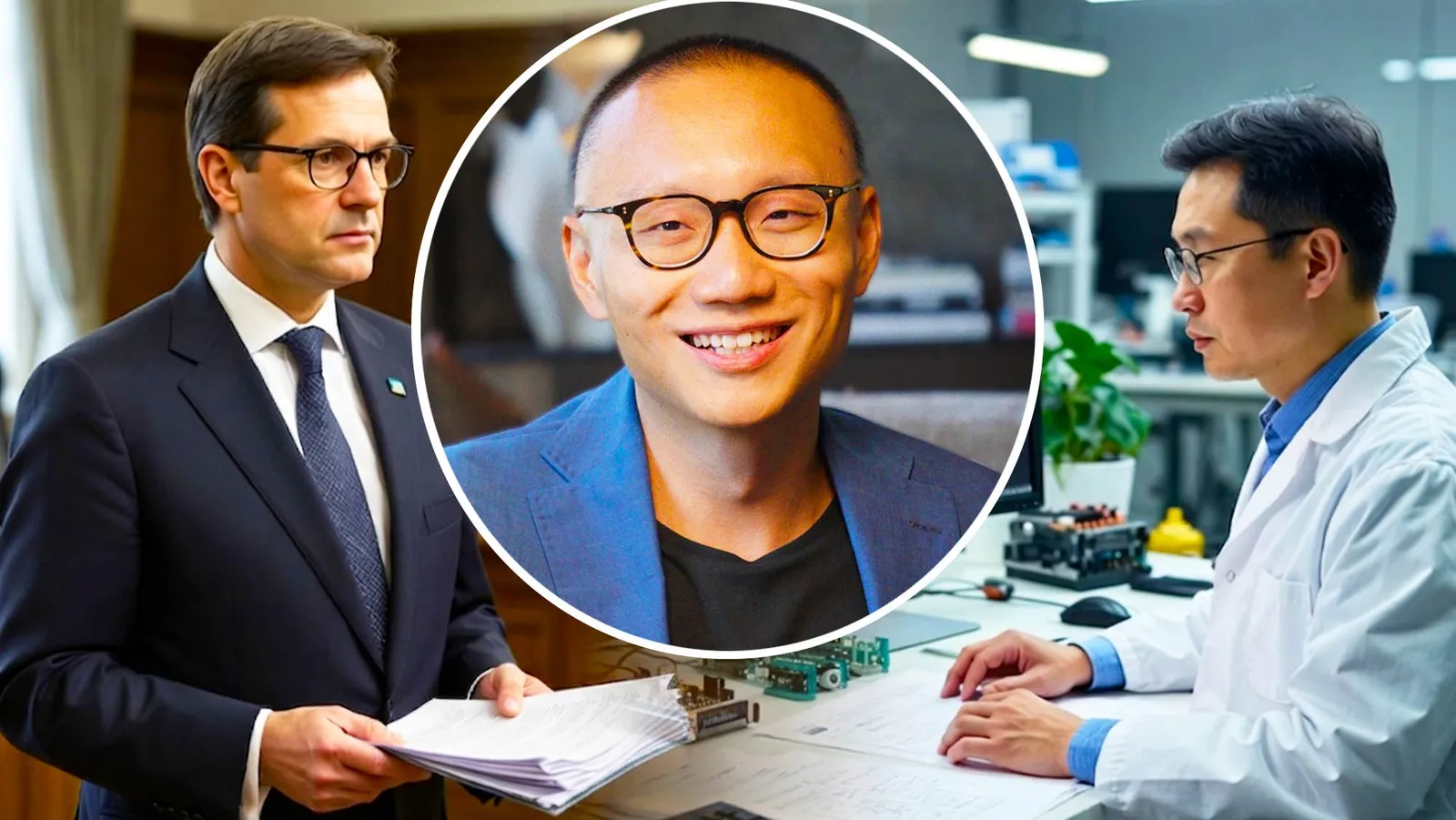
Technology analyst Dan Wang argues that recent developments are not the result of impulsive decisions but rather of a long-term strategy.
The expert’s analysis
According to their analysis, while the West was developing an economy focused on law, finance, or management, China directed its human resources toward technical disciplines such as engineering and applied science.
This contrast has had cumulative effects. In the Western ecosystem, especially in the United States and Europe, the growing importance of legal and regulatory professions has coincided with increasing regulatory complexity and greater attention to social and political debates. In contrast, China’s model has prioritized industrial execution, advanced manufacturing, and technological innovation as core drivers of its growth.
Wang describes this divergence as a structural change that goes beyond simple economic competition. In his view, China’s education and labor systems have been focused “100%” on technological progress, which has enabled the creation of a large pool of highly specialized engineers and technicians: “While the West was ‘wasting time’ training lawyers and judges, China focused 100% on progress, technology, and engineering.”
This approach has had a direct impact on strategic sectors. China has made significant progress in areas such as electronics, artificial intelligence, and large-scale industrial production, solidifying its increasingly dominant position in the global supply chain. Meanwhile, in the West, technological development has been more fragmented and constrained by stricter regulatory frameworks.
Wang himself emphasizes that this difference does not necessarily imply an absolute superiority of one model over another, but rather indicates a gap in priorities. According to his analysis, the accumulation of technical talent in China has created a competitive advantage that Western economies find difficult to replicate in the short term.
Breakneck: China's Quest to Engineer the Future, out August 26 https://t.co/hLETlLHQrC pic.twitter.com/J52BJpgxIS
— Dan Wang (@danwwang) July 25, 2025
In addition, the expert highlights a relevant cultural factor: societal perceptions of progress. In China, engineering and technology have been regarded for decades as drivers of prestige and national development. By contrast, in many Western countries, social and economic recognition has shifted toward other professional fields, affecting the educational choices of several generations.
This imbalance is also reflected in the global labor market. The availability of technical talent in China has facilitated the expansion of its technology and manufacturing industries, while in the West some companies struggle to find highly specialized professionals. This situation has forced many firms to outsource production or rely on international supply chains.
Meanwhile, the rise of new technologies has intensified competition among different blocs. The race for leadership in artificial intelligence, semiconductors, or advanced energy sources has highlighted the importance of having a strong pool of engineers and scientists—a field where China has made sustained investments for decades.
However, Wang warns that the problem lies not only in the present but also in the decisions made over time in the past. The Western model, focused on services and regulation, has created strengths in areas such as law, governance, and business innovation, but it has somewhat neglected large-scale technical training.
In this context, the analyst’s final insight is clear: the current global technological balance is not accidental but the result of divergent priorities maintained over years. While the West directed its human capital toward legal and administrative professions, China focused its efforts on building a solid technological foundation.
That seemingly quiet shift in direction is now evident in the data, within the industry, and in the growing technological influence of the Asian giant. And according to Wang, its effects will continue to shape global competition in the coming decades.