
Europe is investing in renewable energy, and the solution lies in millions of electric cars: the breakthrough will come when they stop being used on roads.
04/10/2026 10:00
Updated to
04/10/2026 10:00
Europe has increasing capacity to generate electricity from solar and wind power, but it still lacks a grid capable of utilizing all that energy at certain times of day. In 2024 alone, over 10 TWh of renewable energy generation had to be curtailed in the European Union, an amount roughly equivalent to the annual consumption of three million households.
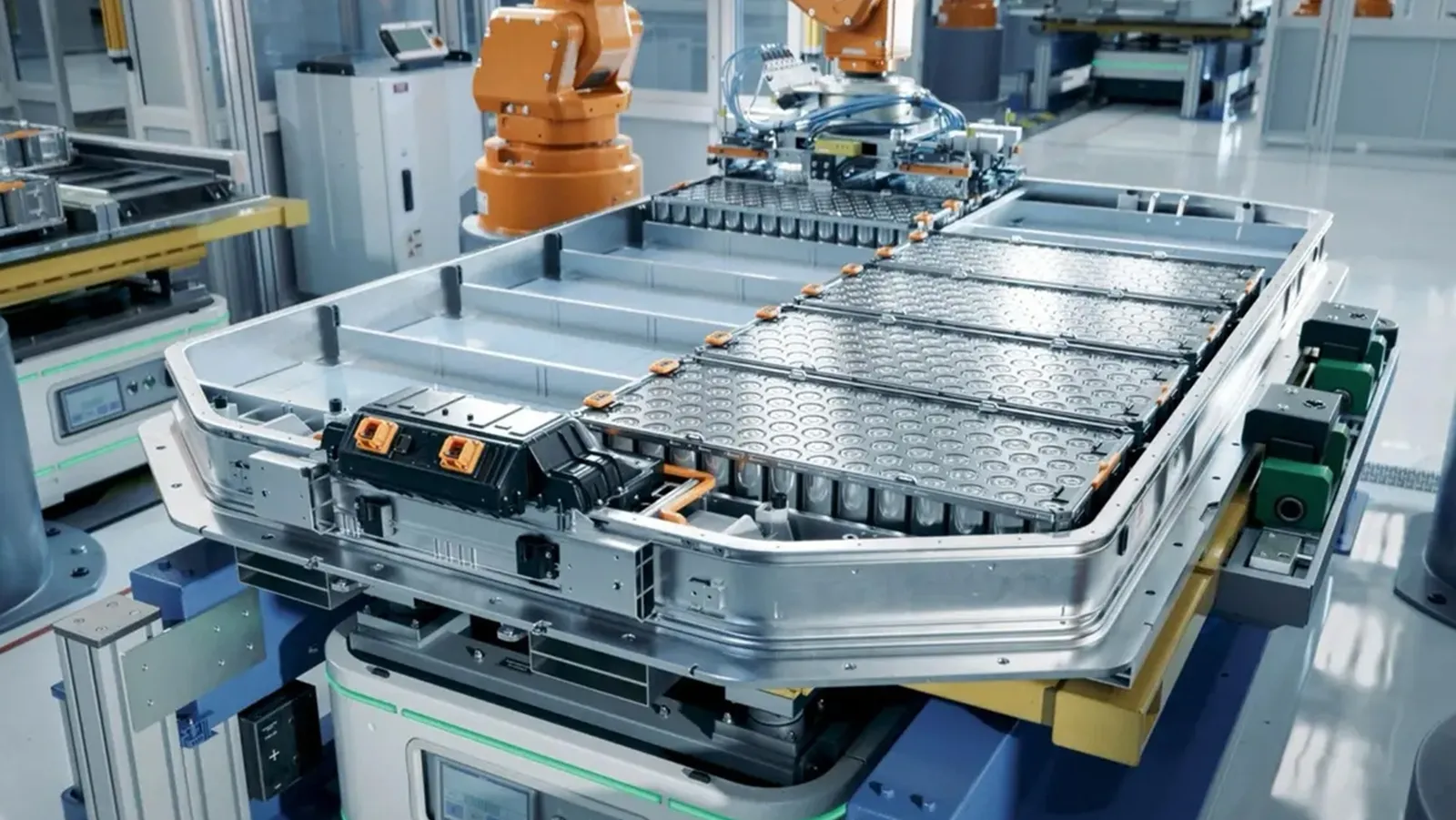
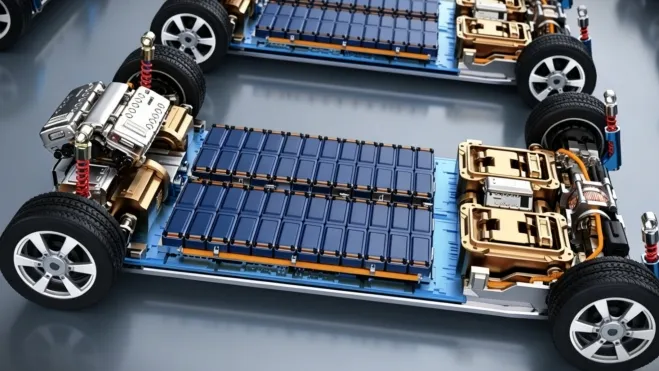
That problem is turning storage into an increasingly important component of the electrical system, and part of the capacity needed could come from a source that has so far been associated mainly with recycling: batteries taken out of electric cars. Although they are no longer suitable for powering a vehicle, they can still retain much of their capacity and be used for years in stationary installations.
Europe has a problem with all the electricity it cannot utilize
The European power grid was designed around large power plants capable of adjusting their output relatively easily, whereas the expansion of solar and wind energy has increased the number of generation sites and introduced a factor that previously had much less impact: electricity is generated when there is sunlight or wind, not necessarily when demand is highest.
When there is an excess of generation and the grid does not have enough capacity to transport or store it, operators may be forced to reduce renewable energy production. The International Energy Agency estimates that the cost of grid congestion in the EU during 2024 will be 4.3 billion euros, a problem that goes far beyond simply losing electricity generation.
The grid congestion also affects new projects that wish to connect. A report prepared by AFRY for Beyond Fossil Fuels shows 375 GW of renewable projects and another 455 GW of battery storage waiting to access distribution networks in eight European markets, including Spain, with over 100 billion euros in investment tied to these applications.
Car batteries can have a very different second life
A battery is not necessarily rendered unusable when it can no longer meet the requirements of an electric vehicle. The European Commission’s Joint Research Centre states that these batteries typically retain between 70% and 80% of their initial capacity after the first use, enough to explore their reuse in stationary systems before recycling their materials.
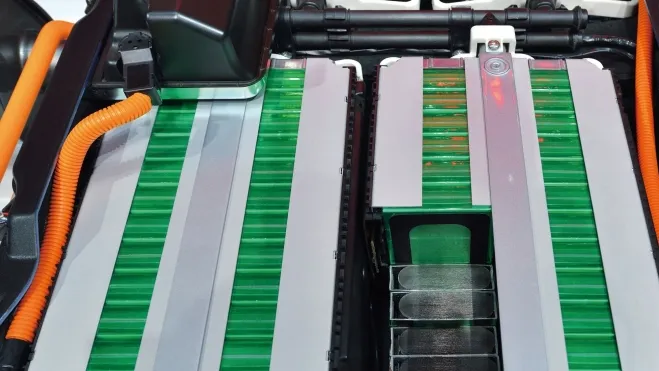
This type of facility would allow, for example, storing part of the photovoltaic electricity generated during the peak hours of the day and using it several hours later, when solar production declines and demand increases. The principle is similar with wind power: energy generated during periods of low demand could be stored for later release, reducing the need to cut back production due to insufficient grid capacity.
The number of batteries available for this use will also increase significantly as the current electric vehicle fleet ages. The IEA estimates that around 1.2 million electric vehicle batteries could reach the end of their life by 2030 and about 14 million by 2040, so reusing them before recovering their raw materials through recycling can become another way to make use of that massive storage volume.
Recycling them will still be necessary, but it doesn’t have to be the first step.
Recycling will remain crucial for recovering lithium, nickel, cobalt, copper, and other materials, although the IEA itself includes both battery reuse and adaptation to new applications among the strategies needed to move toward a more circular industry. Additionally, most batteries installed in recent years will still be in use well into the next decade, so a large volume of retired units will arrive gradually.
Europe will need to expand grids, speed up connections, and deploy new batteries to accommodate the growth of renewable energy, but batteries from electric cars can add capacity without wasting a component that still has a significant amount of its useful life left. Before becoming fully recycled material, millions of batteries could shift from powering vehicles to storing electricity that Europe’s grid often fails to utilize fully.
