
Europe wants its own batteries for electric cars. The issues are production scale, prices, raw materials, and...China
In short:
The new localization requirements for EVs produced in Europe aim to strengthen the Union’s industry and reduce reliance on imports
The ambitious goals may prove difficult to achieve
European battery production might not keep up with rising demand, according to a Mobility Global report
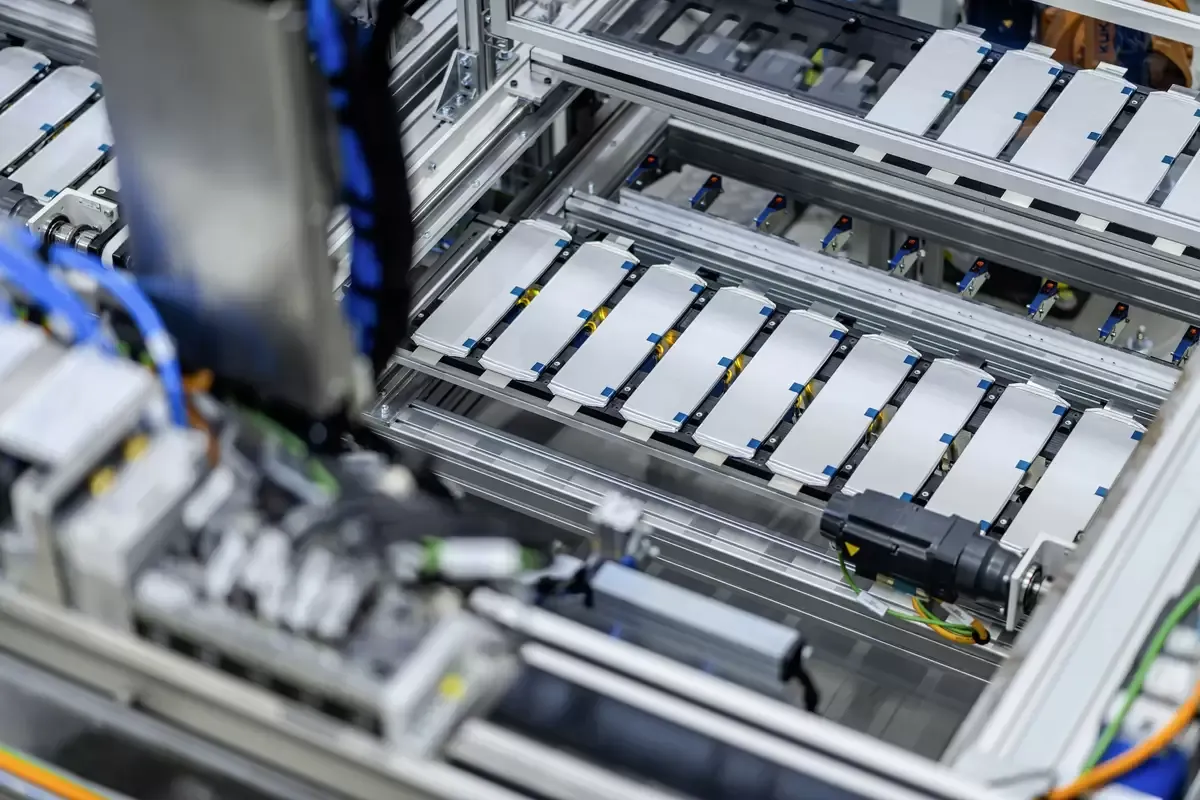
This is despite an expected increase in European battery cell production to 306 GWh by 2032
The biggest challenges remain raw materials, costs, and China’s dominance
Batteries produced in Europe are currently 24 to 33 percent more expensive than imported equivalents from China
Europe wants more components “made in EU,” but…
The European Union is preparing another tool to boost the competitiveness of its domestic automotive industry. The Industrial Accelerator Act (IAA) aims to gradually increase the use of European components in electric vehicles eligible for public support and purchase incentives.
The problem is that the production capacity of Europe’s battery sector may prove… insufficient to meet the new requirements. These conclusions stem from an analysis prepared by Mobility Global for ACEA, which assesses the readiness of Europe’s battery supply chain to fulfill future localization demands.
According to IAA assumptions, the first phase of regulation is set to take effect around 2027-2028. By then, the battery installed in an electric vehicle would need to contain at least three main components from the European Union, including cells. Around 2030-2031, the requirements would be tightened to five key components of European origin, among which cells, the battery management system (BMS), and cathode active materials (CAM) would be mandatory.
Battery Scenarios
The report’s authors analyzed three demand scenarios. The first assumes that the requirements apply to the entire electric vehicle market. The second focuses on the fleet market, leasing, company vehicles, and public procurement.
The third, most conservative scenario includes only corporate vehicles and public sector orders. The conclusions? Unfortunately, they are not optimistic. As ACEA emphasizes, “in all scenarios except one, supply will fall short of demand, despite the expected increase in European battery cell production to 306 GWh by 2032.”
This means limited battery availability will remain the main barrier to increasing the number of vehicles eligible for incentives intended for products that meet the “made in EU” criteria. According to the organization’s calculations, if the IAA comes into effect in 2028, even around 3 million cars may not qualify for the associated subsidies solely due to a shortage of suitable battery components.
The situation is even more difficult for commercial vehicles. In the segment of medium and heavy delivery trucks as well as freight trucks, the gap between demand and supply is set to widen until 2032, reaching 23 GWh. According to the report, demand will then be about four times higher than available European supply.
It’s Not Just Production Capacity That’s the Problem
Paradoxically, the study’s authors point out that building more factories alone will not solve the problem. As noted, “technology, cost, and availability limit localization, rather than production capacity itself.” One of the key challenges is the mismatch between the structure of European investments and the direction of market development. Most of the planned gigafactories on the continent have been designed to produce NMC cells that use nickel, manganese, and cobalt.
In the meantime, car manufacturers are increasingly turning to cheaper lithium-iron-phosphate (LFP) batteries, whose global market is currently dominated by Chinese producers.
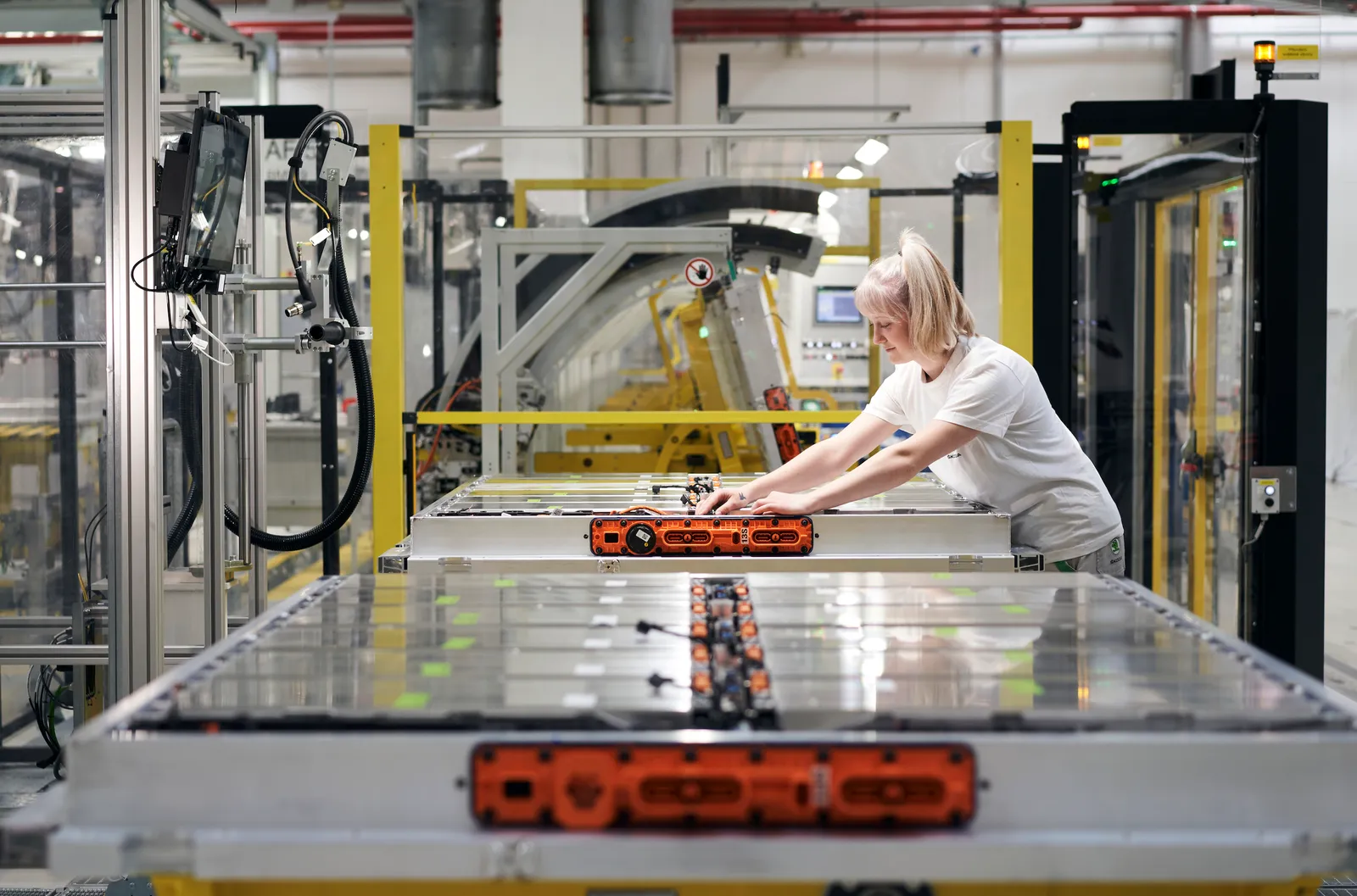
Again, according to a report, only two facilities in Europe are currently capable of producing LFP cells, and by 2032, three out of five European factories with such capabilities are expected to be under Chinese ownership. Meanwhile, the share of LFP technology in the market is set to rise to around 35 percent.
Another issue remains cost. According to a Mobility Global analysis, cells produced in Europe are currently 24 to 33 percent more expensive than imported equivalents from China. This means a difference of $14.7 to $19.7 per kilowatt-hour of battery capacity. Moreover, even European factories owned by Chinese conglomerates are able to produce at lower costs than their European competitors. The report indicates that the price difference ranges from about 12 to 17 percent, which is related, among other factors, to Chinese companies’ advantage in accessing cathode active materials and the experience gained from operating large manufacturing facilities.
Raw materials remain the biggest bottleneck
The greatest concerns, however, arise from the situation in the cathode active materials (CAM) and anode active materials (AAM) sector, which are essential for battery production. As the analysts emphasize, it is these supply chain links that currently pose the most serious constraint on the development of Europe’s battery industry. Even under the most cautious scenario, demand for cathode materials around 2030 is expected to be nearly twice higher than the region’s production capacity.
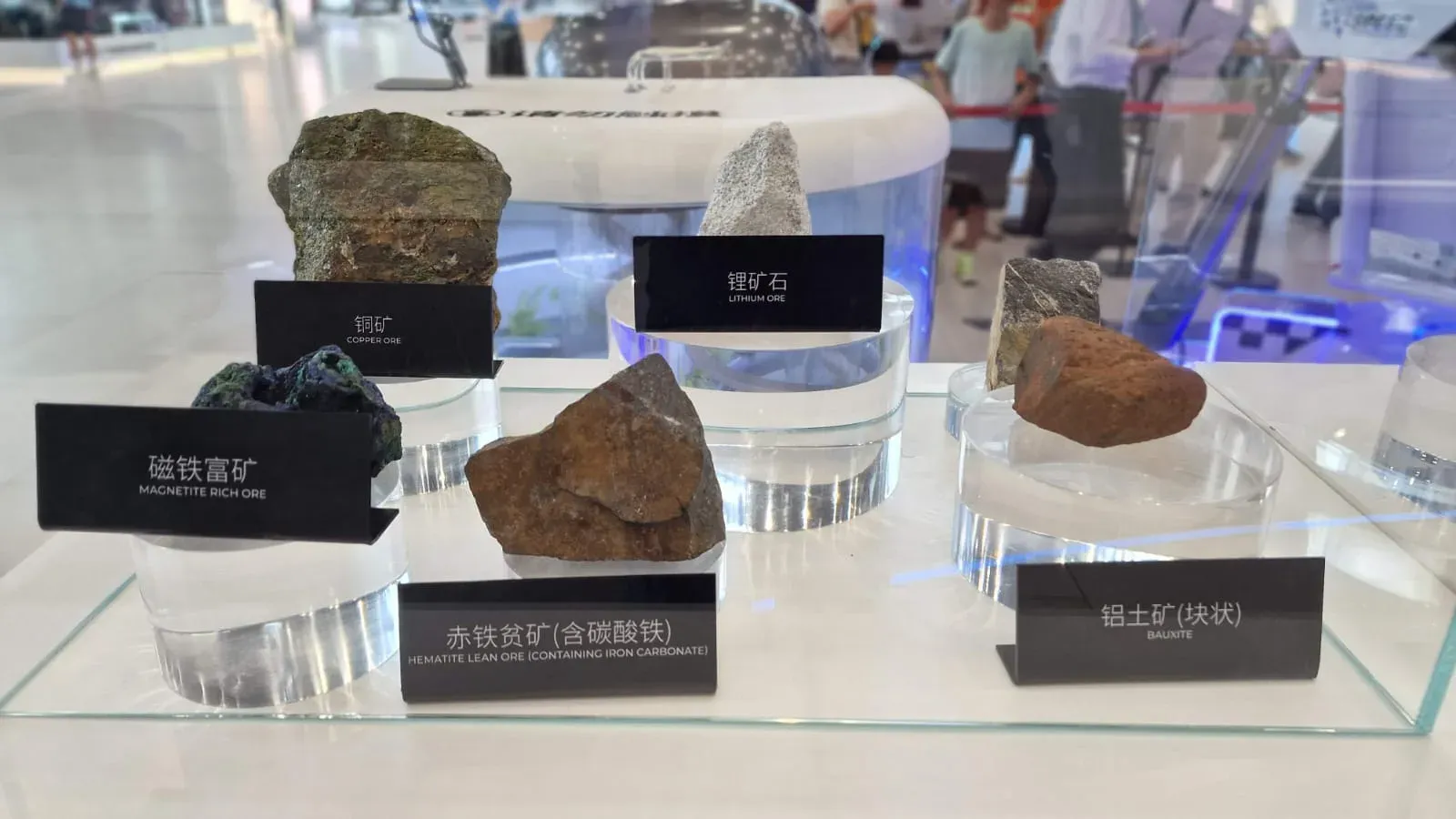
As a result, meeting the requirements of the second phase of IAA, which mandates that cell production, cathode materials, and battery management systems be located locally, may prove extremely difficult. The report also indicates that shortages of anode active materials further increase the risks associated with raw material supply. Importantly, the gap in CAM and AAM production may not be closed until 2038–2040, even with relatively limited demand!
Ambitions require industrial foundations
ACEA argues that the analysis results support a more pragmatic approach to locating production. Experts believe that regulation alone is insufficient if the industry does not have adequate manufacturing capacity, competitive costs, and a stable investment environment.
Therefore, the report’s authors conclude that the effectiveness of the Industrial Accelerator Act will depend not only on ambitious requirements regarding the local origin of components but primarily on the ability to create a complete and competitive battery production ecosystem, ranging from raw material extraction and processing, through active materials, to finished cells and energy management systems.
Oskar Włostowski