
Euro 7 requires vehicles to last at least 160,000 kilometers
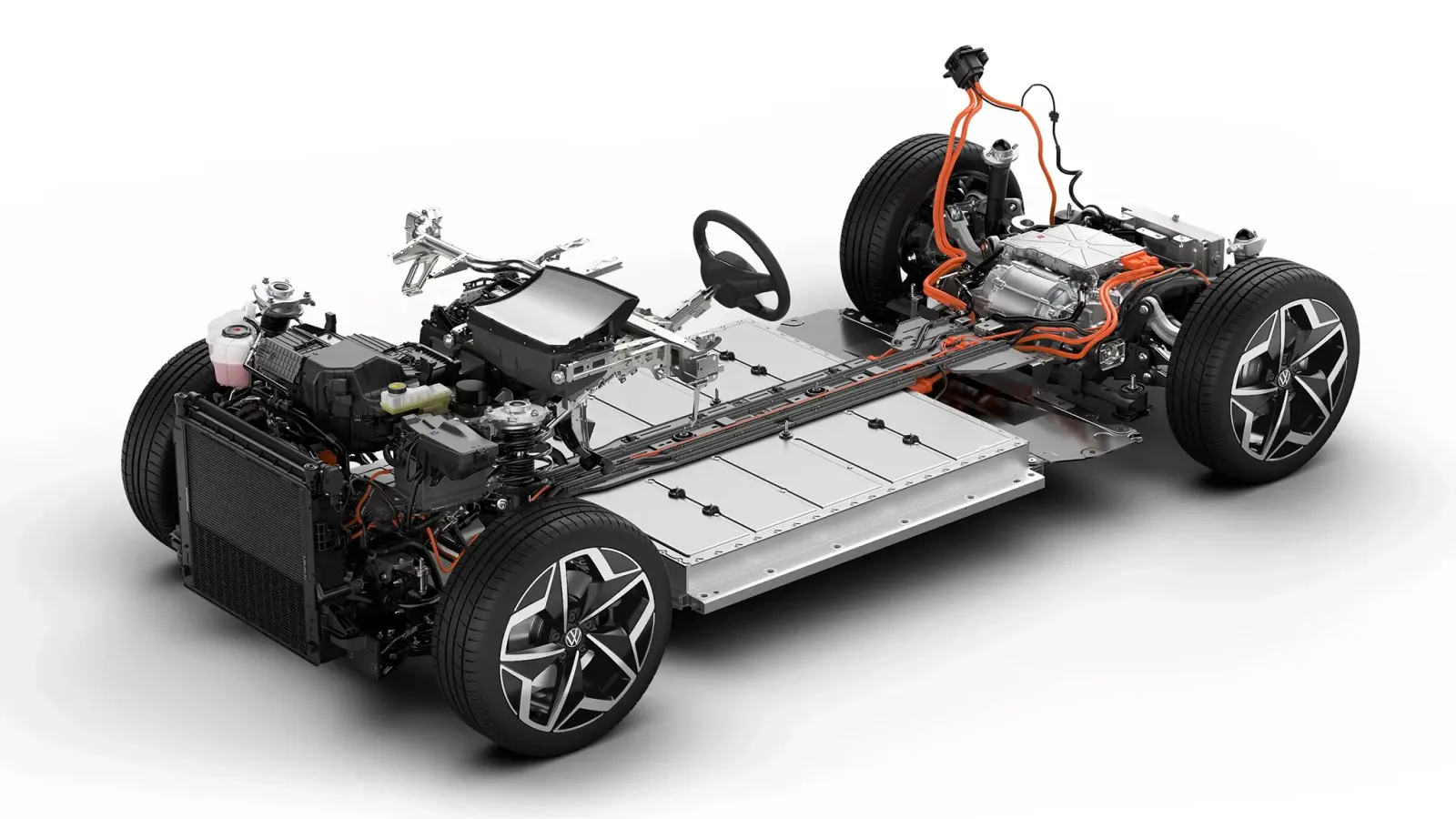
Electric vehicle batteries no longer frighten consumers. Nevertheless, the new Euro 7 standard sets new benchmarks for durability.
How long does an electric car battery last? It is one of the most common questions among consumers and a major concern for those considering buying a used electric vehicle.
This concern has become less significant over time, as batteries have exceeded expectations with degradation below what was anticipated. Still, the new Euro 7 standard, which will take effect next November, establishes minimum durability requirements for batteries in electric and plug-in hybrid vehicles.
In passenger cars, batteries must retain at least 72% of their nominal capacity throughout the regulatory period, which can last up to eight years or 160,000 kilometers.

Unlike fuel tanks, the batteries in electric vehicles gradually lose their energy storage capacity over time and with use. As a result, an electric vehicle may experience a decrease in range as it ages.
Euro 7 sets limits on this degradation. For the first time, European emission regulations also establish minimum durability requirements for traction batteries.
Changes are also coming to vehicles with internal combustion engines, as exhaust treatment systems must maintain their performance for 10 years.
What are the new limits?
The legislation sets two usage periods, each with different minimum capacity percentages that batteries must maintain. In passenger electric and plug-in hybrid vehicles, the battery must retain at least 80% of its reference energy capacity during the first five years or 100,000 kilometers.
In the subsequent phase, up to eight years or 160,000 kilometers, the minimum requirement drops to 72%. For light commercial vehicles, the legislation specifies slightly lower percentages. Here is the breakdown:
Vehicle Type
Up to 5 years or 100,000 km
Up to 8 years or 160,000 km
Passenger Cars
80%
72%
Light Commercial Vehicles
75%
67%
There is an important detail: in each period, the first limit reached counts, whether it’s the number of years or the mileage. For example, if a car reaches 100,000 kilometers after three years, it becomes subject to the requirements of the second period.
These values do not mean that batteries will necessarily lose 20% or 28% of their capacity. They are merely the minimum limits set by legislation.
How will the condition of batteries be monitored?
Euro 7 mandates systems to monitor the health status of batteries, allowing tracking of their degradation over time. This information enables assessment of the energy capacity the battery can still provide compared to the certified reference value when it was new.
The regulations also provide for verification procedures for vehicles already on the road as part of manufacturers’ compliance obligations. The goal is to ensure that durability requirements are met throughout the periods specified by law, not only when the cars leave the factory.
Brand warranties continue to have their own specific terms, including mileage limits, minimum capacity percentages, and procedures for assessing any defects. Currently, the warranties offered by most brands already exceed the requirements set by Euro 7.
Purchasing a used electric vehicle will be easier
The durability of batteries is one of the most important factors in determining the value of a used electric vehicle. Two cars with the same age and mileage can have significantly different battery health levels, depending on usage, environmental conditions, and charging habits.
ADVERTISING
Looking for a cheap electric car?
The used car market offers plenty of options. There are over 800 models priced below 20,000 euros.
That’s why understanding battery health, often indicated by the acronym SOH (State of Health), is so important. For those buying a used electric vehicle, this information should be analyzed along with the maintenance history, mileage, and remaining warranty.
With Euro 7, battery durability is now subject to common European requirements. This is an important change for consumers, especially at a time when more and more electric vehicles are entering the used car market.