
The EU will boost support for truck loading infrastructure.
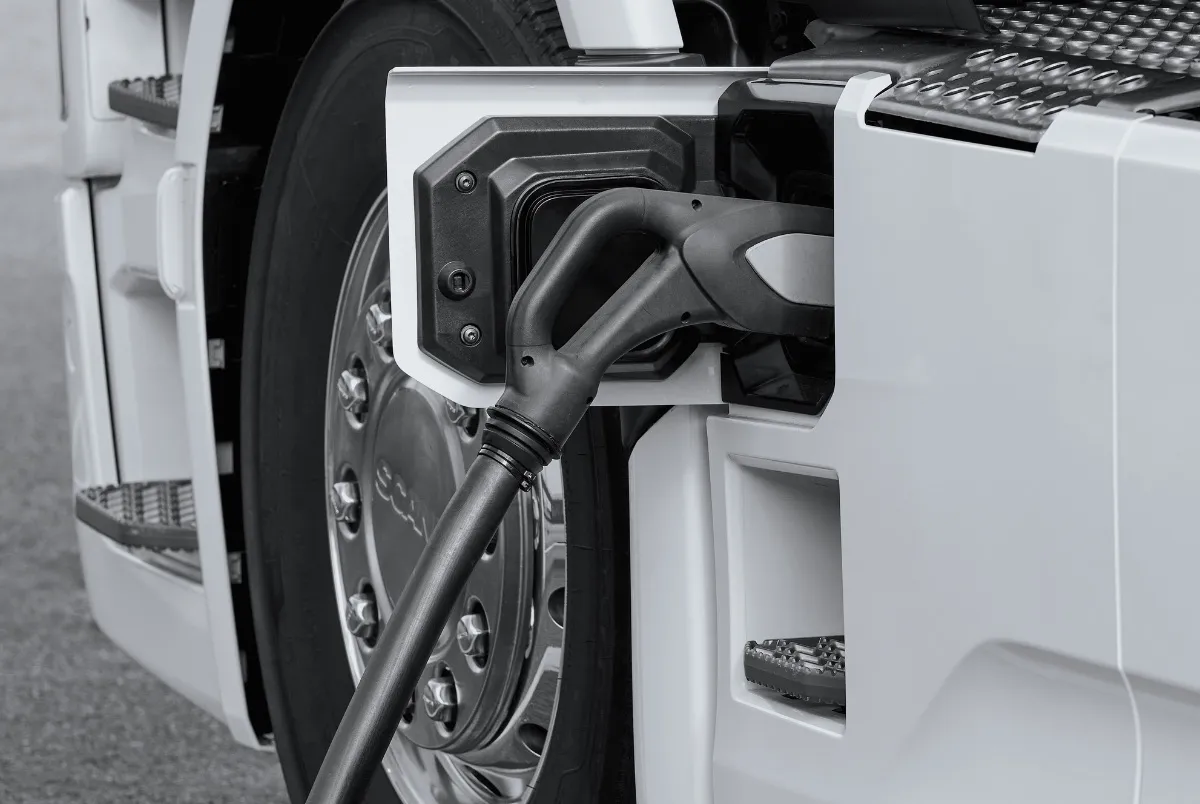
The EU Commission intends to focus more heavily on charging infrastructure for electric trucks and buses using funds from CEF and AFIF in the future. This decision is driven by high investment risks, cautious banks, and a rapidly increasing demand for charging along key freight routes.
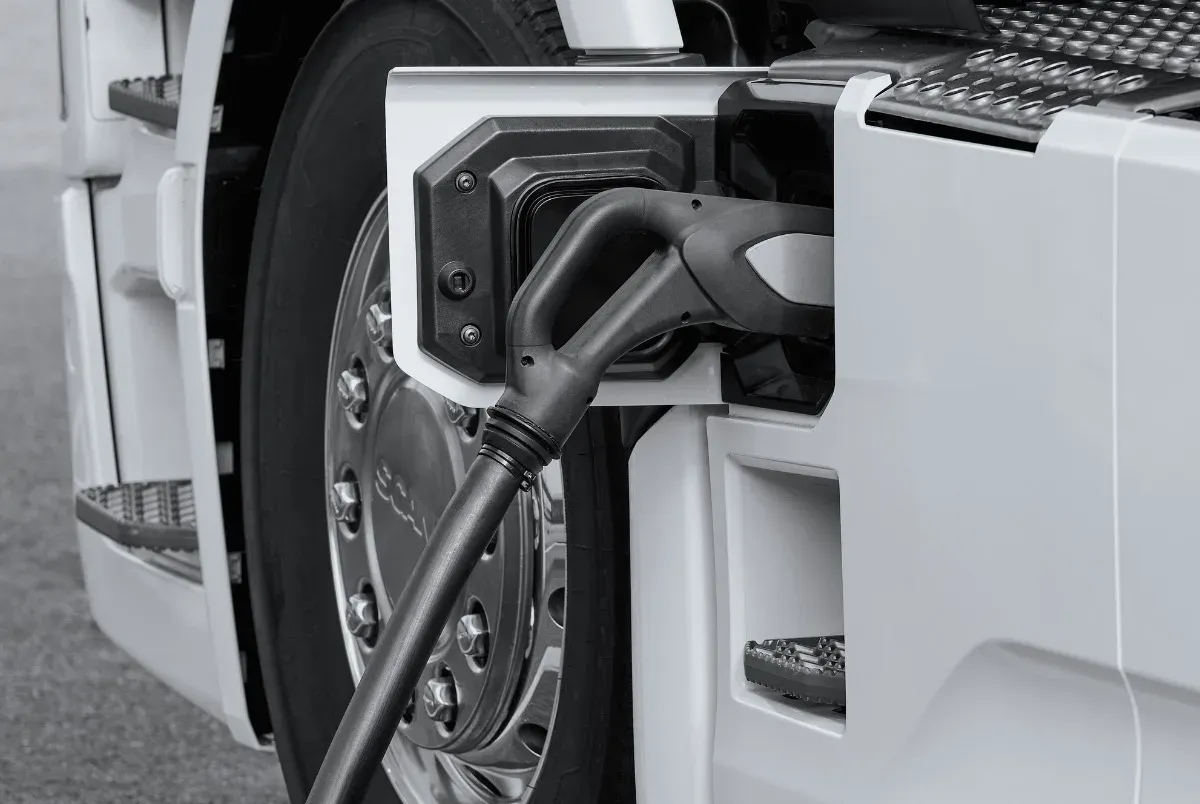
The charging needs for electric trucks are likely to concentrate in a few key logistics hubs.
Image: Scania
At the Connecting Europe Days in Brussels, representatives from politics, business, and the transportation industry discuss further development of European transport infrastructure. This year, a focus is on decarbonizing heavy freight transportation and thus determining how quickly the necessary charging infrastructure for electric trucks can be established. Eric von Breska, Director for Investments and Innovative and Sustainable Transport at the EU Commission, announced that funds from the Connecting Europe Facility (CEF) and the Alternative Fuels Infrastructure Facility (AFIF) will be allocated specifically to charging infrastructure for electric trucks and buses in the future.
According to the “Deutsche Verkehrs-Zeitung,” von Breska cited, among other things, the difficult financing of such projects as a reason. Banks remain cautious when it comes to investment in charging infrastructure for heavy commercial vehicles. The commission therefore plans to work together with the industry to better mitigate investment risks.
EU Transport Commissioner Apostolos Tzitzikostas also pointed to the increasing pressure to act. He said that nearly 40,000 electric trucks are currently registered in the EU. The commission expects between 45,000 and 50,000 such vehicles by the end of the year. This would mean the fleet has roughly tripled in just two years.
According to Tzitzikostas, there are currently around 3,000 publicly accessible charging points suitable for electric trucks. This represents an increase of about 60 percent compared to a year earlier. The commission expects nearly 400,000 zero-emission heavy commercial vehicles on Europe’s roads by 2030.
A recent study by Fraunhofer ISI and ICCT shows how rapidly infrastructure needs could grow. It estimates that Europe’s annual charging demand for electric trucks could rise to around 100 TWh by 2035 and to about 200 TWh by 2045. The majority of charging is likely to still occur in depots. In most countries and scenarios, the study finds that more than 70 to 80 percent of total charging demand comes from depot charging. Nevertheless, public charging infrastructure remains crucial for long-distance transport.
EU prioritizes charging infrastructure for commercial vehicles
The spatial concentration is particularly evident: In many countries, only 10 percent of the sites surveyed account for 60 to 90 percent of total charging demand. These hotspots are mainly located along major freight corridors, at highway interchanges, as well as in urban areas, industrial zones, and logistics centers.
Consequently, the required grid capacity can be very high in these areas. Fraunhofer ISI and ICCT estimate that peak loads at especially heavily used sites often range from 20 to 50 MW. Therefore, expanding charging infrastructure depends not only on increasing the number of charging points but also on providing high-capacity grid connections in a timely manner.

Since 2024, the EU has allocated around one billion euros for the decarbonization of various transport modes, according to Tzitzikostas. Approximately half of this amount was directed toward the electrification of heavy commercial vehicles. Meanwhile, the Commission is addressing limited grid capacity through measures such as its Grid Package and the electrification plan presented in the summer.
Alternative funding models were also discussed during the Connecting Europe Days. Alexander Junge, a board member of Aral AG, which is part of BP, suggested not focusing solely on funding the construction of charging infrastructure. Instead, transportation companies could be supported with charging fees if they enter long-term supply agreements with charging infrastructure operators in return. This could make their business models more predictable.
Jan Bezdekovsky from the Czech Ministry of Transport emphasized how varied the starting points are across Europe. In the Czech Republic, only around 200 to 300 electric trucks are currently in use. With such a small fleet, it is particularly difficult to encourage operators to invest in charging infrastructure. Without EU funding, there would be little electric mobility in the Czech Republic according to Bezdekovsky.