
EU Parliament: First Committees Vote in Favor of Softening the Ban on Internal Combustion Engines
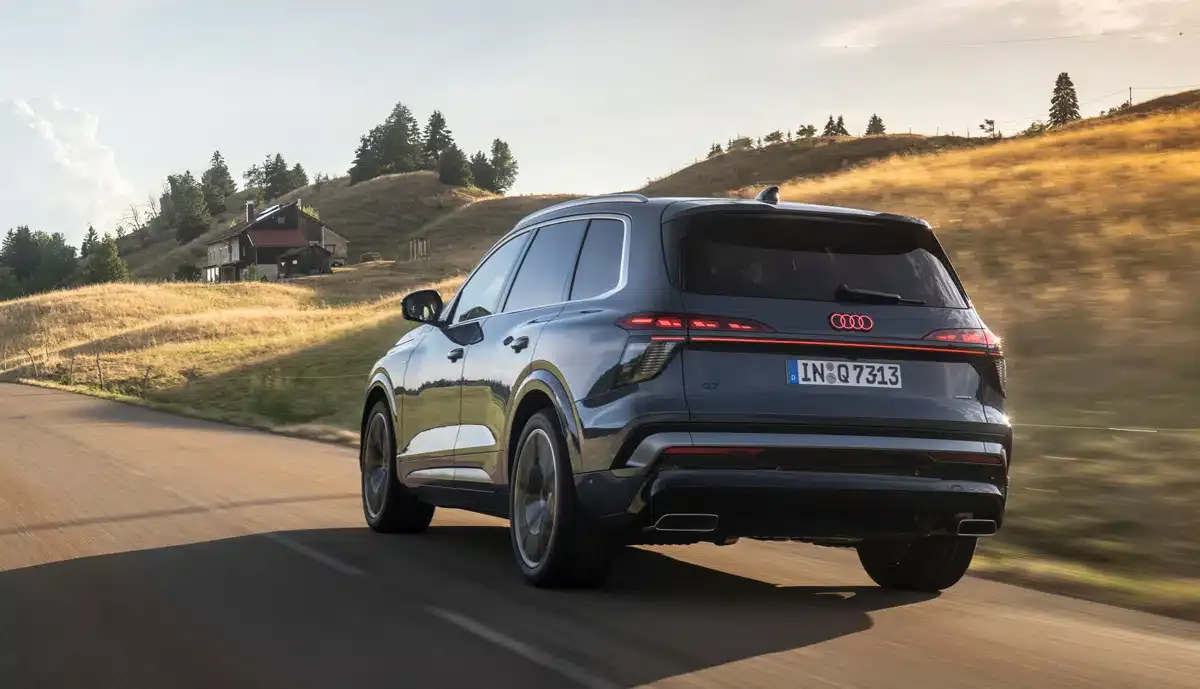
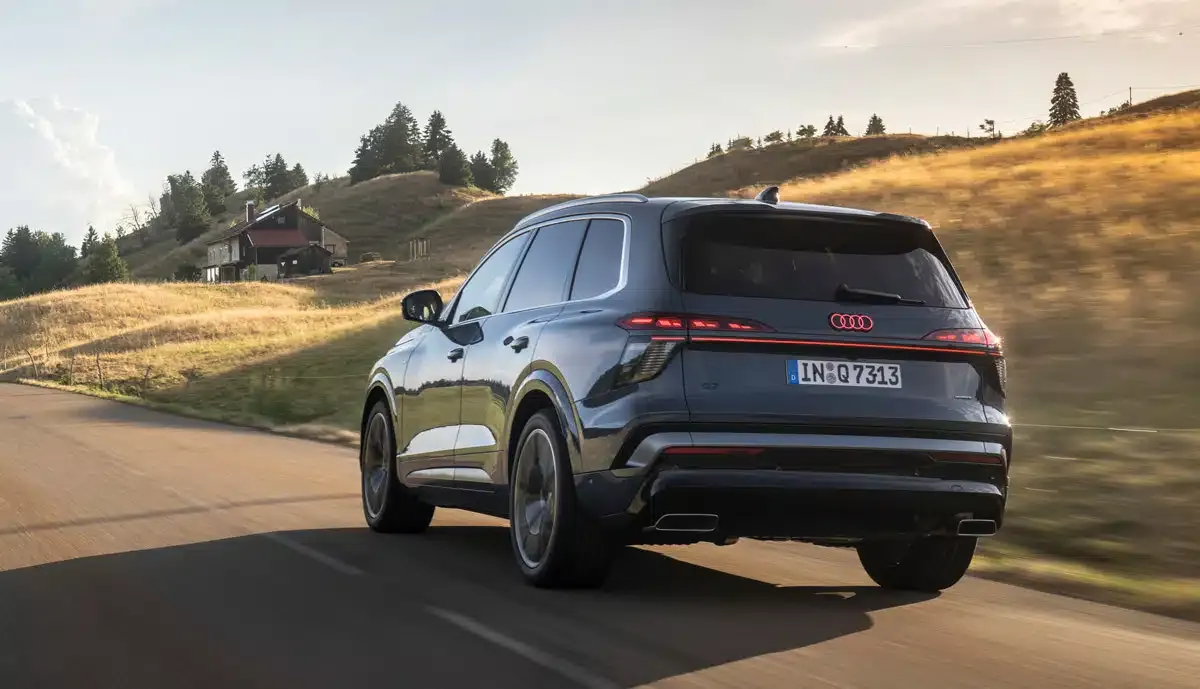
Image: Audi (illustrative)
The European Parliament has held the first votes regarding the relaxation of the end-date for internal combustion engines. The Committees on Industry and Transport approved a proposal recently negotiated by negotiators from the conservative EVP, the social democratic S&D, and the liberal Renew Europe group.
The proposals call for average CO₂ emissions of newly registered cars in the EU to drop by 95 percent by 2035 compared to 2021 levels. By using climate-friendly steel produced in Europe, manufacturers could reduce the actual required emission cuts by up to 7.5 percentage points to 87.5 percent, without having to pay penalties.
A German-French proposal from October goes further: according to it, average CO₂ emissions from new cars must drop by only 90 percent by 2035 compared to 2021. The parliamentary proposal does not include additional credit for steel produced in an environmentally friendly manner.
The report was approved in the Industry Committee with 49 votes in favor, 27 against, and five abstentions. In favor voted deputies from the EVP, Social Democrats (S&D), and the liberal Renew Europe faction. Against the proposal voted deputies from the EKR, Europa der Souveränen Nationen (ESN), Patrioten für Europa (PfE), Left party, and Greens/EFA factions.
A majority was also reached in the Transport Committee: 27 deputies voted in favor, 18 against, with one abstention. In addition to deputies from the EVP, S&D, and Renew Europe, a Finnish Left Party deputy supported the proposal. The remaining Left Party deputies as well as representatives from the EKR, ESN, PfE, and Greens/EFA voted against it. A Lithuanian Greens/EFA deputy abstained.
The situation had already changed by the end of 2025. The EU Commission proposed at that time to lower the target set for 2035 of a 100-percent reduction in CO₂ emissions compared to 2021 to a 90-percent reduction in exhaust emissions. According to the Commission’s draft, the remaining emissions were to be offset through credits for CO₂-low steel produced in the EU and for sustainable renewable fuels.
The implementation of the final rules requires a compromise between the European Parliament and EU member states. The Parliament is expected to decide on its position by December, according to the current status.
Jens Gieseke (CDU), the transport policy spokesperson for the EVP group who participated in the negotiations, told Handelsblatt that automakers need flexibility and planning certainty to successfully carry out the transformation, maintain investments in Europe, and secure jobs. Gieseke called for combining climate protection with a strong industry rather than pitting them against each other.
The co-negotiator, European Parliament member Michael Bloss (Green Party), criticized the decisions, stating that Social Democrats and Conservatives were relying on internal combustion engines and thus slowing down electric mobility. He called for European automakers to change course, for the expansion of charging infrastructure, and for an increase in European battery production.
Also interesting
About the author
Thomas Langenbucher is an expert in electric mobility with experience in the automotive industry and finance sector. Since 2011, he has been covering electric cars, sustainable technologies, and mobility solutions for ecomento.de. Learn more.
Reader interactions