
EU leaders vote to water down 2035 EV targets
News
MEPs back plans to allow ICE cars to stay on sale beyond 2035 and include renewable fuels in zero-emission classifications
MA
Matt Allan
5 November 2026, 16:04 GMT · 2 min read
Add as a preferred source on Google
European lawmakers have voted to ease the region’s vehicle emissions targets, opening the door for ICE cars to remain on sale beyond 2035.
The European Parliament’s Environment Committee approved measures which cut the bloc’s CO2 reduction target from 100% of 2021 levels to 87.5%.
The move comes after sustained pressure from car makers, who insisted the 100% reduction was not viable in the face of current production costs and fierce competition from China, despite rising EV sales.
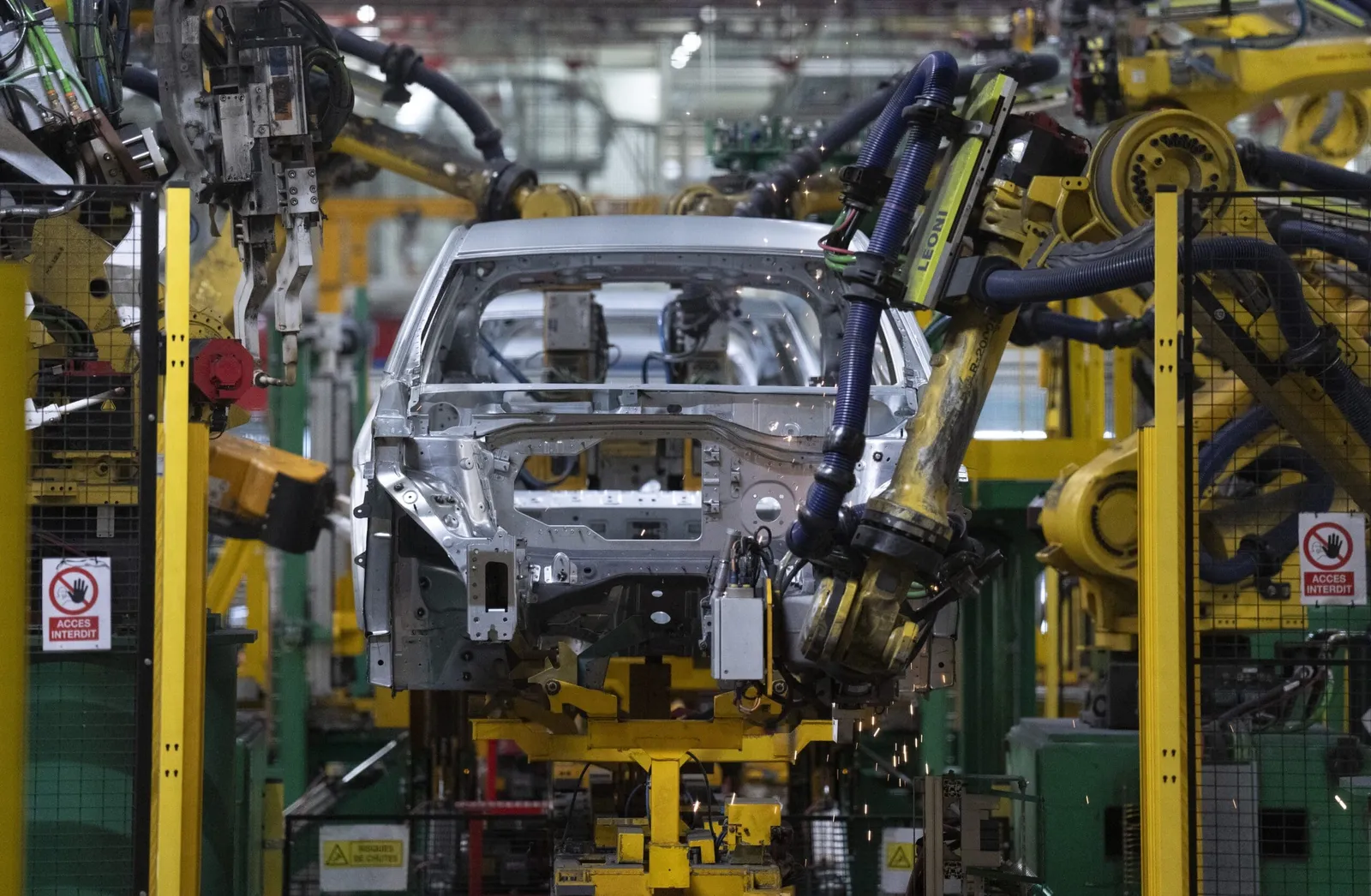
The previous target was set out in 2023 and effectively laid the groundwork for an EV-only future. The change means that car makers will still be able to sell fossil fuel-powered cars beyond 2035. However, they will have to compensate for up to 7.5% of their emissions by using low-carbon steel made in the EU.
The European Automobile Manufacturers’ Association (ACEA) said the shift was a step towards a “more pragmatic and technology-neutral framework” but warned that the additional flexibility around passenger cars remained too limited in scope and duration.
Other changes as part of the package of decisions include easing the requirements around commercial vehicles. Rather than a 50% reduction in emissions by 2030, the requirement has been eased to 35% and the 2035 target slashed from 100% to 80%, again easing the requirement for all-electric models.
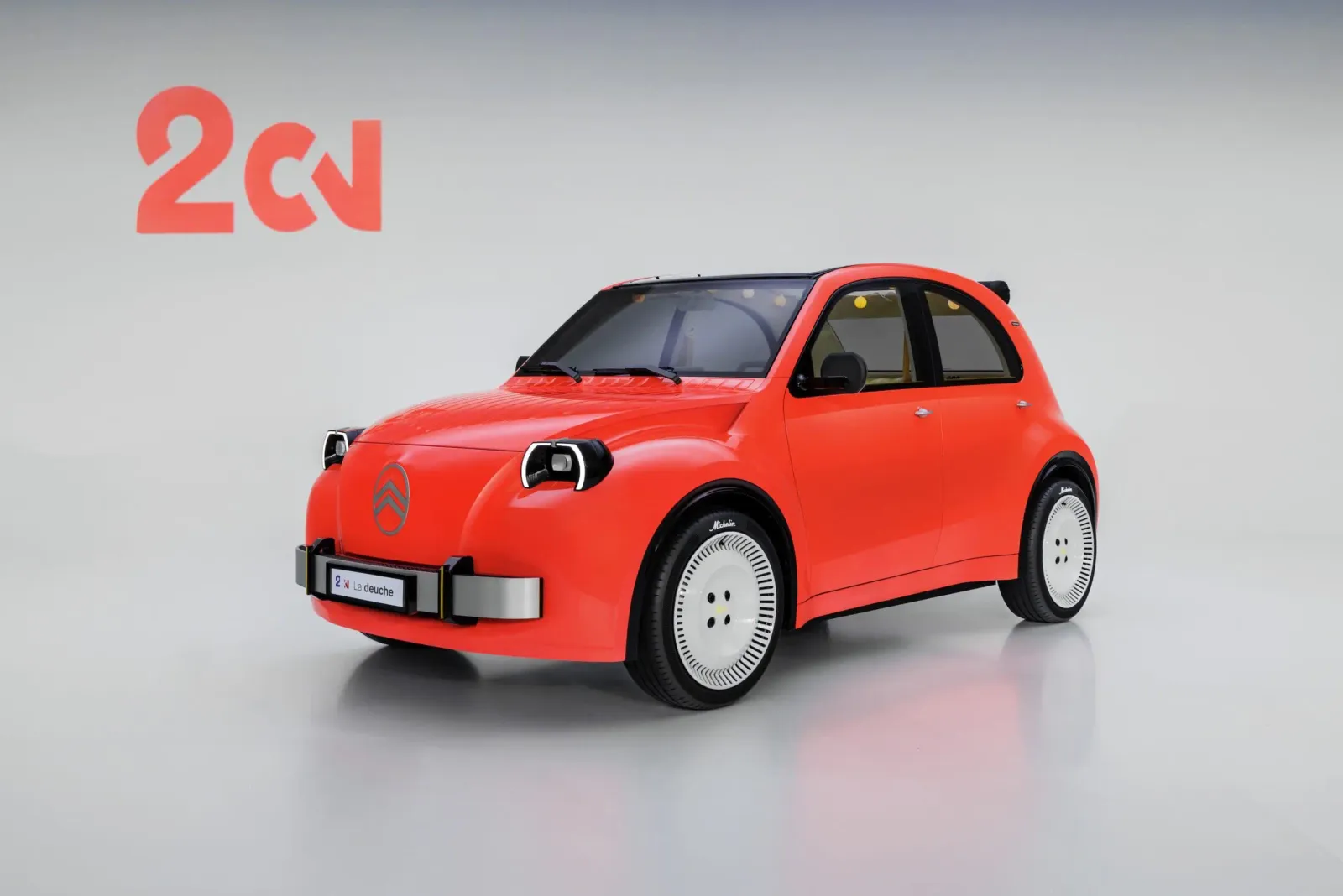
Legislators also agreed to new super credits for car makers building smaller and more efficient EVs. Any EV under 4.2 metres in length and built in the EU will count as 1.4 vehicles toward a manufacturer’s average CO2 emissions. Similarly any EU-built EV that meets “strict” energy consumption thresholds will count as 1.2 vehicles for emissions purposes.
The package also weakens the definition of zero-emissions vehicle. Under its proposals, combustion vehicles running on renewable or specific low-carbon fuels would be classed as zero-emission.
Committee member and Italian MEP Massimiliano Salini said: “Our agreement marks a turning point for the European automotive industry. Registering combustion engine cars without compensation obligations would remain possible, protecting technological freedom and restoring prospects for the entire supply chain.
“Decarbonisation does not mean imposing one technology – we also recognise as zero-emission vehicles powered exclusively by renewable fuels that comply with the renewable energy directive, similar to electric ones. Low-carbon steel made in Europe could be used immediately, rewarding European production and strengthening the Union’s strategic autonomy”.