
EU calls on China to set export limits on hybrid cars
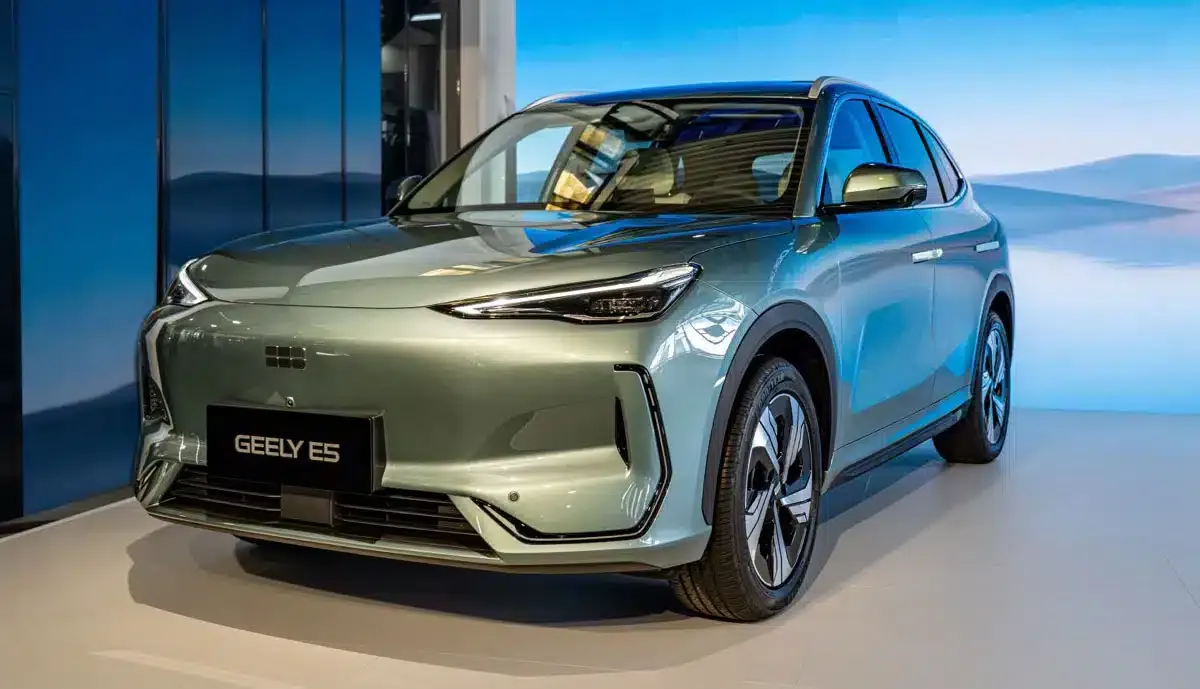
Image: Geely
According to a report, the European Union has asked China to voluntarily limit exports of hybrid vehicles in order to avoid a trade dispute. Reuters cites Brussels’ aim to restrict sales of hybrid cars from the People’s Republic to around 15 percent of the EU market. As reported by the Financial Times, an EU official said, “If they don’t limit their exports to our market, then we will.”
According to the report, the EU has also urged the People’s Republic to restrict exports of additional products such as chemicals. At the same time, it aims for higher Chinese purchases of European exports. The EU representative described this approach as an attempt to stop deindustrialization and regulate trade.
EU Commission President Ursula von der Leyen stated in September before the European Parliament that the EU’s trade deficit with China had reached a turning point. Europe was already experiencing a “China shock” due to deindustrialization. Von der Leyen announced that the EU would use every available tool to reduce what she described as an “unsustainable” trade deficit with China.
EU Trade Commissioner Maros Sefcovic is leading talks with China regarding the trade deficit. He aims to achieve tangible results by October and is expected to travel to China by early next month. The EU attributes the rise in Chinese exports of chemicals, batteries, and vehicles to overcapacity, according to the report.
China shows no willingness to compromise
The People’s Republic has now opposed voluntary export restrictions on hybrid vehicles. According to Automotive News, China’s Ministry of Commerce stated that such voluntary export limits seriously violate World Trade Organization rules and go against the principles of a market economy and fair competition. “China firmly rejects this,” the ministry said.
The Ministry of Trade did not confirm that the EU had already officially asked China to restrict its exports of hybrid vehicles. The statement referred to media reports suggesting the EU aims for such a restriction, with higher tariffs as a possible alternative. According to the ministry, any solution between China and the EU must take into account the interests of both sides, comply with WTO rules and respective national laws, and include the interests of industries on both sides.
The Chinese Ministry of Foreign Affairs also reacted to the developments. Spokesperson Guo Jiakun stated that China would closely monitor EU measures against its electric vehicle industry and take steps to protect the rights and interests of Chinese companies. At the same time, he called on the EU to fulfill its commitments regarding market opening and free trade, abide by WTO rules, and provide a fair, equitable, and non-discriminatory business environment for companies from all countries.
Chinese manufacturers such as BYD are increasing exports of plug-in hybrid vehicles to Europe. This is happening amid the punitive tariffs imposed by the EU on imported battery-only electric vehicles starting in late 2024. In the long term, some manufacturers from the People’s Republic plan to produce cars in the EU as well, thereby avoiding the additional tariffs imposed by Brussels.
Also interesting
About the author
Thomas Langenbucher is an expert in electromobility with professional experience in the automotive industry and finance sector. Since 2011, he has been covering electric vehicles, sustainable technologies, and mobility solutions on ecomento.de. Learn more.
Reader interactions