
EU Battery Recycling: Associations Call for Measures in the Circular Economy Act
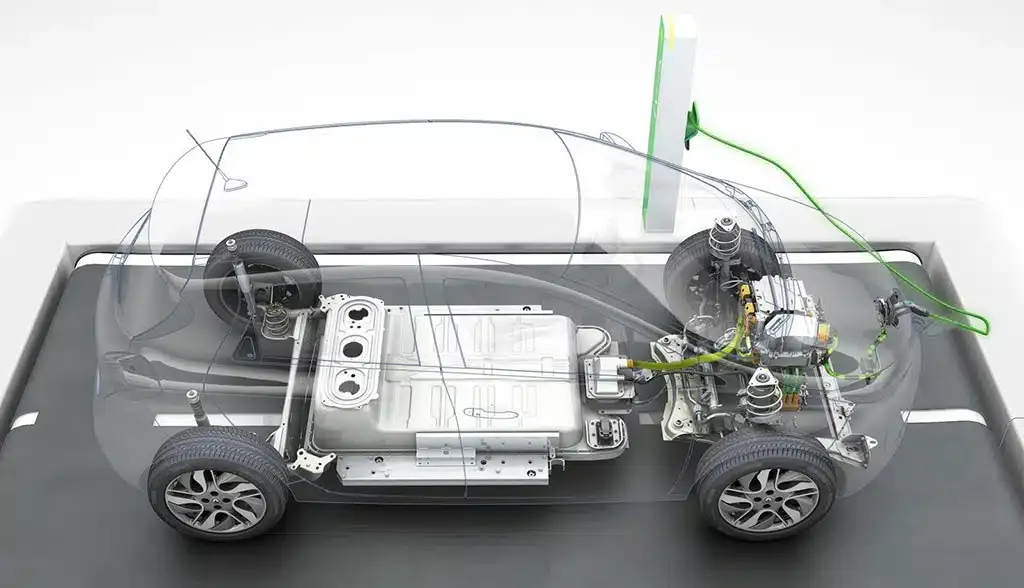
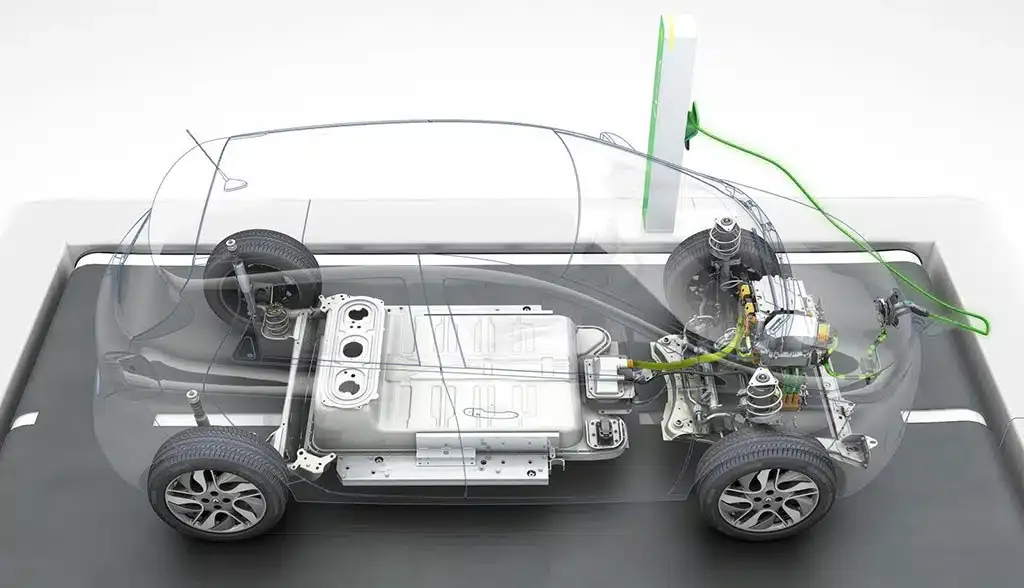
Image: Renault (illustrative)
The environmental organization Transport & Environment (T&E), the battery industry association Recharge, along with the initiatives Clean Tech for Europe and EIES, are calling in a joint letter for specific measures to strengthen European battery recycling within the planned Circular Economy Act. Recovering critical raw materials from used batteries is intended to reduce Europe’s dependence on imports. However, according to these organizations, Europe’s recycling industry is facing difficulties in expanding its capacity. More than half of Europe’s battery recycling capacity is currently at risk.
A key issue is therefore the lack of raw materials for European recycling companies. Although most battery waste in Europe is pre-treated, the bulk of what is known as black mass is exported abroad for further refining. This resource-rich concentrate is produced when lithium-ion batteries are crushed. According to T&E, at least 60 percent of European black mass leaves the EU, with additional amounts remaining untraceable due to different customs codes.
The organizations warn that such exports weaken the EU’s strategic autonomy, shift high-quality jobs abroad, and undermine circular economy and environmental protection. At the same time, European recycling companies face financial pressure and higher energy costs. Therefore, the signatories call for policy measures and demand signals to encourage investment in European refining capacity, so that valuable raw materials can be processed and retained within Europe.
The EU’s Circular Economy Act is intended to examine targeted export restrictions on Black Mass and untreated battery waste, including possible export fees or tariffs based on thorough risk and impact assessments. Additionally, the organizations call for a unified EU definition and technical specifications for Black Mass, as well as strict criteria for determining when such materials cease to be waste in critical raw material streams. These criteria are meant to ensure that the materials are truly market-ready and functionally equivalent to primary raw materials. A unified customs code for Black Mass and its immediate derivative products is also requested.
To strengthen European recycling capacity, the signatories propose incentives for recycled materials from the EU, linked to the gradual introduction of recycling targets under the EU Battery Regulation. Extended producer responsibility systems should reward final refining and raw material recovery within the EU through a bonus-malus mechanism.
In addition, the Waste Transport Regulation should be revised so that certain transports of critical raw material streams to pre-approved recycling facilities within the EU are subject to a simplified notification procedure. The organizations also call for financial support for investment and operating costs from European and national funds, with priority given to expanding refining capacity in the EU.
Have you found any errors? Please let us know
by email
about them. Thank you!
Also interesting
About the author
Thomas Langenbucher is an expert in electromobility with professional experience in the automotive industry and finance sector. Since 2011, he has been covering electric cars, sustainable technologies, and mobility solutions on ecomento.de. Learn more.
Reader interactions