
Study predicts only 15 Chinese brands will survive by 2030
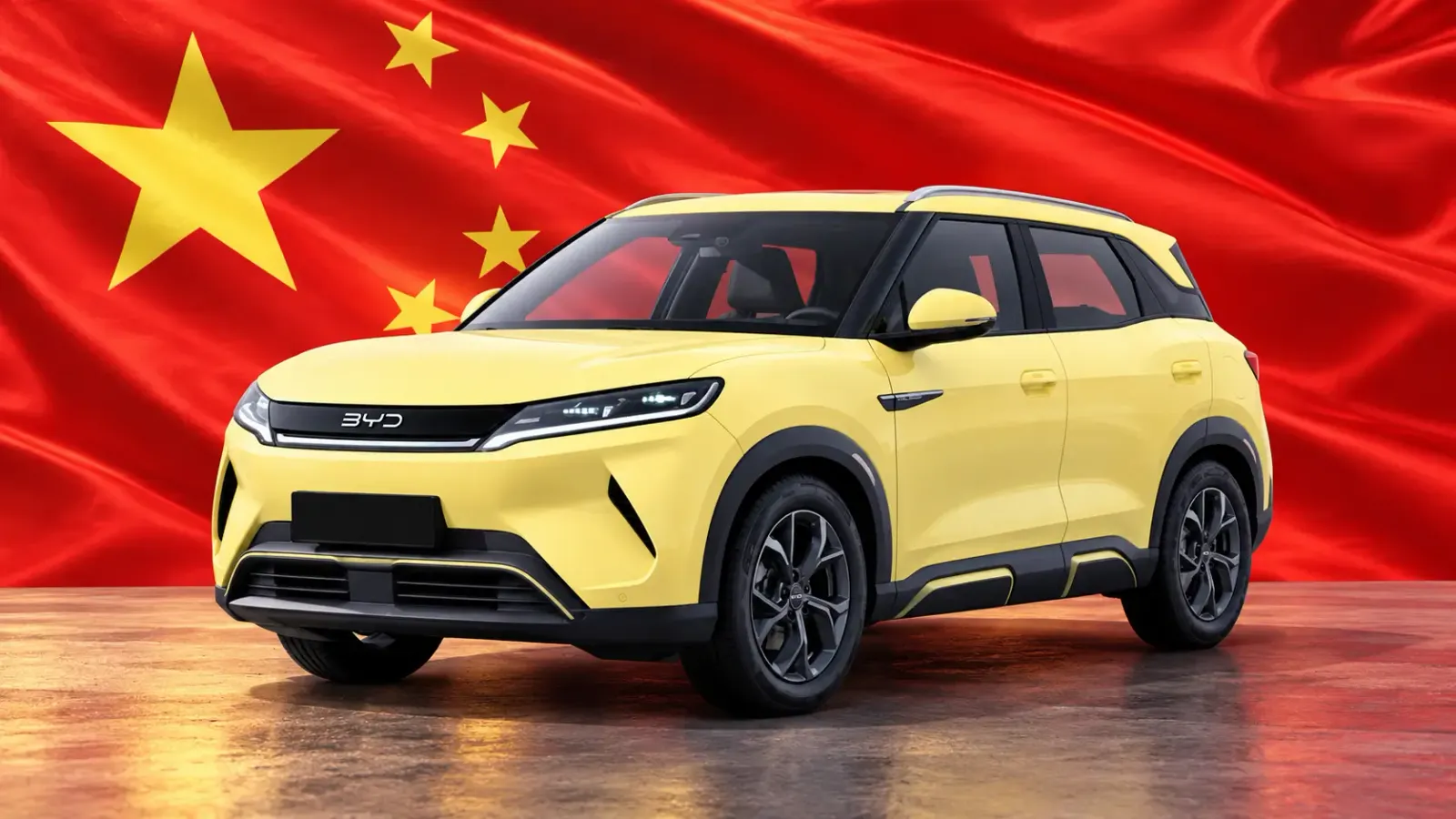
A price war threatens a hundred Chinese brands. AlixPartners predicts strong market consolidation by 2030.
The growth of electric and plug-in hybrid vehicles has turned China into one of the most competitive automotive markets in the world. However, the sheer number of brands and models available hides a challenge: many companies still fail to turn a profit.
According to AlixPartners’ Global Automotive Outlook, of the 129 brands selling electric and plug-in hybrid vehicles in the Chinese market, only 15 are expected to achieve financial viability by 2030.
The June 2026 update to this study reinforces the warning: the consultancy predicts that only seven of the 30 Chinese manufacturers will achieve financial balance by 2030. The forecast suggests closures, acquisitions, and the integration of brands into larger groups. Survival may also depend on support from shareholders or local authorities interested in protecting jobs and suppliers.
The best-positioned brands
Excess production capacity, continuous discounts, and ongoing investment in new models are straining financial accounts. AlixPartners did not disclose the names.
Nevertheless, commercial scale, financial performance, and industrial support allow us to identify several strong candidates capable of navigating this consolidation period. The following selection is an editorial analysis by Razão Automóvel, not a list provided by a consulting firm.
BYD stands out due to its scale and profitability, having sold 4.6 million electric and plug-in hybrid vehicles in 2025. Geely, Zeekr, and Lynk & Co benefit from technology and resource sharing within the same group.
The Chery group, which also oversees Omoda and Jaecoo, exported 1.34 million of the 2.8 million vehicles it sold in 2025. Its partnership with Ebro in Barcelona enhances its international presence. Changan Automobile, on the other hand, sold over 1.1 million new energy vehicles that year and continued to achieve positive results.
MG combines SAIC’s industrial support with a well-established European network, having surpassed 190,000 sales in the region during the first half of 2026. Dongfeng, a state-owned group with brands such as Voyah and M-Hero, also boasts significant industrial scale, selling 1.04 million new energy vehicles in 2025.
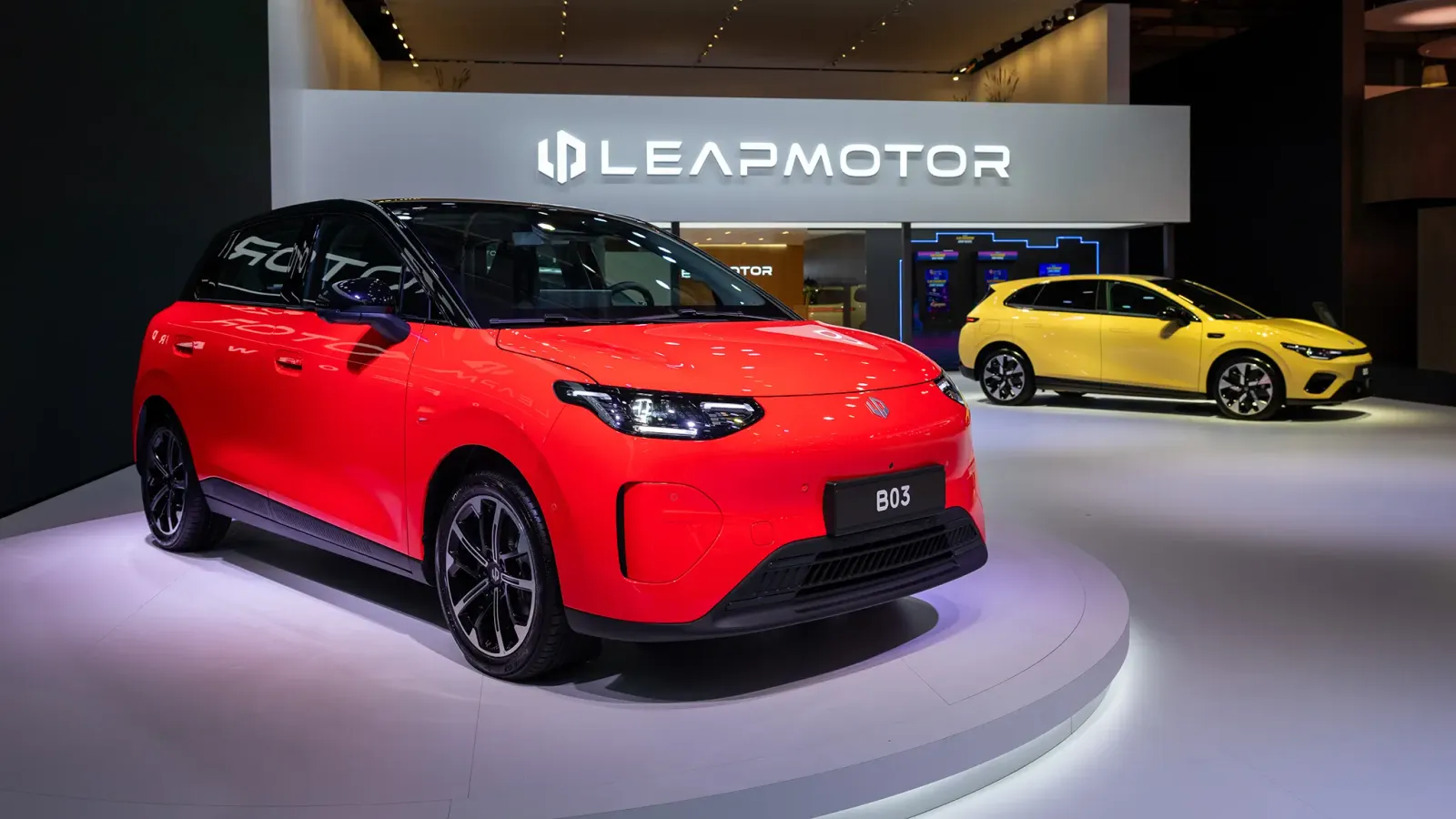
Among the newer manufacturers, Leapmotor ended 2025 in profit and benefits from its partnership with Stellantis. With only seven years in operation, it has become one of the rising stars in the global automotive industry. Xiaomi is another good example, combining financial resources and brand recognition with rapid growth.
Finally, Xpeng maintains technological advantages, while Li Auto — which has just entered Europe — boasts financial reserves and a track record of profitability. However, both reported losses in the first half of 2026, highlighting the pressure even on manufacturers with strong positions.
We recall that car sales in China are falling by more than 20% this year. If this trend continues until the end of the year, it would mean a drop of over five million units in absolute terms.
Exports have helped offset this decline and ease the pressure on Chinese manufacturers’ finances, with exports rising by 65%.
Europe as a lifeline
Producing in Europe has allowed Chinese manufacturers to get closer to customers and suppliers and reduce their exposure to tariffs on imported electric vehicles from China.
BYD is preparing its factory in Szeged, Hungary, with mass production scheduled for the last quarter of 2026, and is considering two more facilities in Europe. In Barcelona, Chery and Ebro are reviving Nissan’s former factory, which already assembles Ebro models. Production of Chery models is targeted for late 2026 or early 2027.
Leapmotor began producing the B10 in Zaragoza with Stellantis in October 2026, leveraging an existing facility and its European partner’s industrial expertise.
These projects are part of the plans outlined by AlixPartners to raise Chinese overseas vehicle production from 1.2 million units in 2025 to 3.4 million by 2030 across the entire industry. Consolidation may allow resources to be focused on stronger groups capable of competing with European manufacturers for customers, suppliers, and manufacturing capacity.