
Estonia shifts to electric ferries: 4 charging stations at 5 MW in port
In Estonia, work is already underway on four charging stations for electric ferries set to arrive in 2028, capable of delivering up to 5 MW of power. A large amount of energy is needed to charge the battery of the vessel, which will accommodate 380 passengers, 110 cars, or eight trucks. It will be used to connect the Estonian mainland with Saaremaa island.
A fast-charging infrastructure for ferries
The Estonian government believes in and supports this project, which begins with the development of charging infrastructure. In this case, it is particularly robust: four charging stations capable of delivering up to 5 MW to serve the electric ferry that will arrive at the port by the end of 2028. The goal is to electrify the route connecting the Estonian mainland to Muhu, one of the main access points to Saaremaa island.
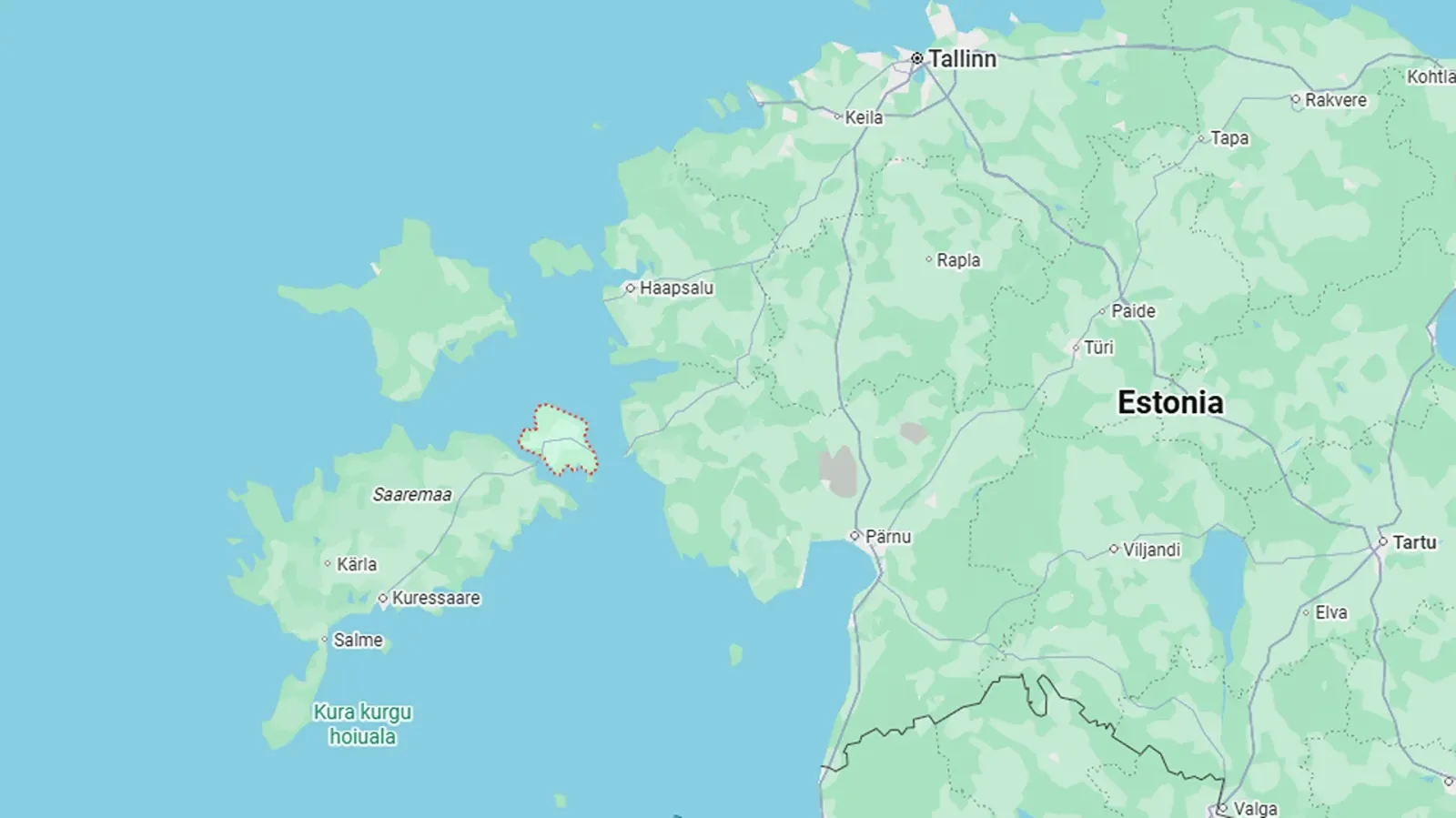
The key player behind this infrastructure project is PSW Power & Automation, a Norwegian company specializing in advanced electrification solutions, renewable energy, and storage systems. It is part of the Scana ASA industrial group, which focuses on technologies for ocean industries. In Estonia, it will provide four charging stations, two on each side of the bridge.
A stop at port: ferry with a 3 MWh battery. Investment of 50 million
Investment is being made in fast charging to quickly “free up” space and enable more connections. In this case, it’s crucial to act swiftly to ensure power supply within timely frames for service operations. The ferry is equipped with a battery of large capacity: 3 MWh.
Electrifying ferries is feasible: 80% battery-powered by 2035
The electric ferry commissioned by the Estonian government will be able to carry up to 380 passengers. It will also accommodate 110 cars or eight trucks, depending on the configuration.
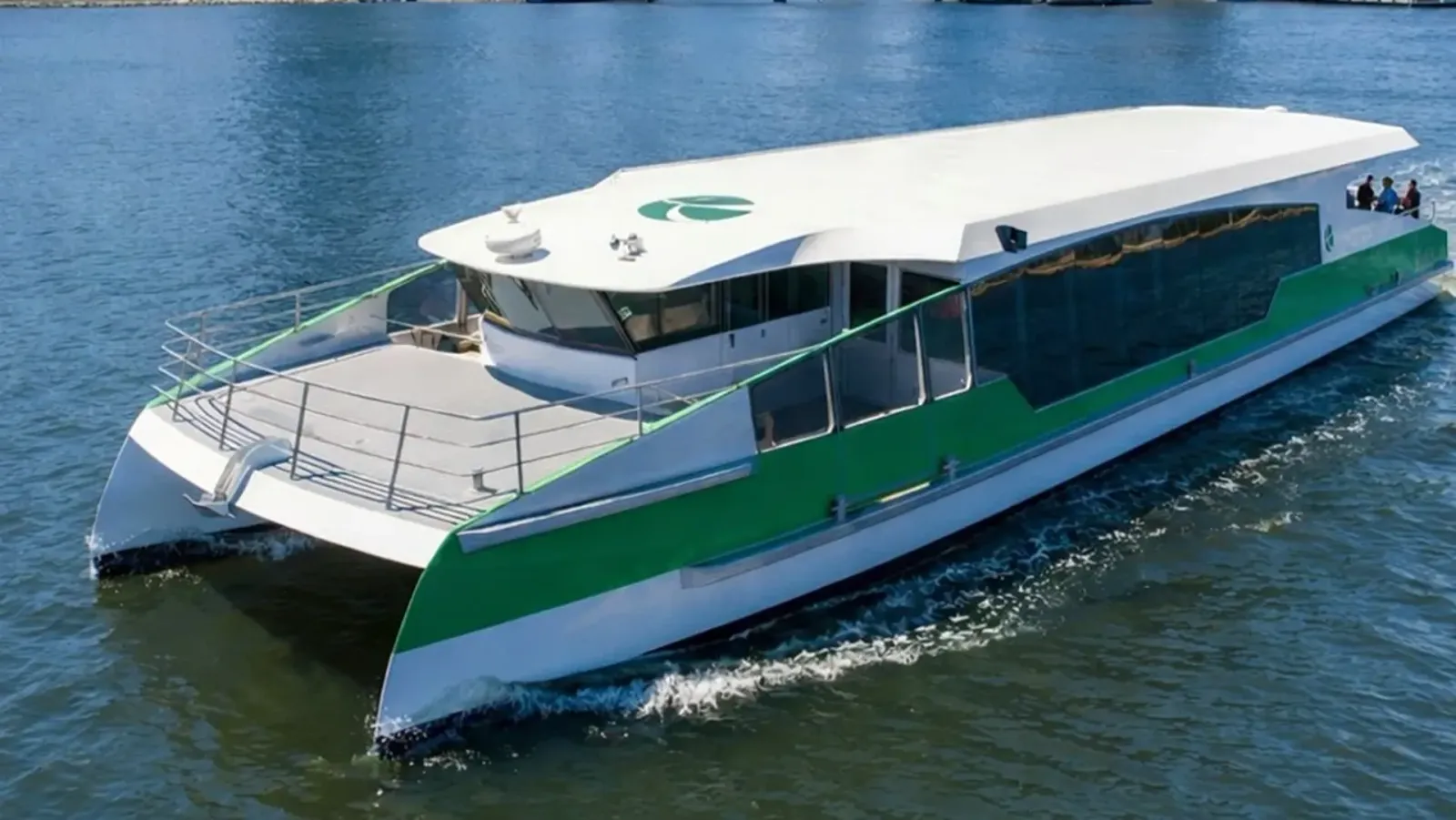
The project also represents a significant investment. The construction contract amounts to 50 million euros, eight million more than the initially planned budget. But the charging infrastructure is not reserved for just one ferry. PSW emphasizes that other compatible vessels will also be able to use the MCS system. In short, the infrastructure could support the electrification of a small fleet of ferries and other boats.
READ ALSO: Not all fully electric, but all electrified — and watch the VIDEO
Previous Article
Volkswagen’s lineup cut in half: cuts also among electric models?
Next Article
Polestar 4: the SUV variant arrives. More space without sacrificing electric power