
This is how much you can save each year with an electric car in Spain in 2026.
Choosing a car involves looking at much more than just its purchase price. Operating costs are often considered secondary but end up having a significant impact on the budget, especially for those who drive many kilometers regularly. The question is, how much can you save these days with an electric car compared to a diesel or gasoline vehicle?
To put a figure on this difference, we’ve prepared our own estimate for Spain, based on 15,000 kilometers of driving per year. We compared a gasoline car with a fuel consumption of 6.5 liters per 100 kilometers, a diesel car with 5.5 liters, and an electric car that requires 16 kWh per 100 kilometers to operate. These are assumptions for calculation, not averages of all models on the market.
In electric vehicles, we must account for charging losses. Assuming that 90% of the electricity drawn from the charger is actually used by the battery, we need to purchase approximately 17.78 kWh per 100 kilometers. The annual cost thus amounts to around 2,667 kWh, compared to 975 liters of gasoline and 825 liters of diesel.
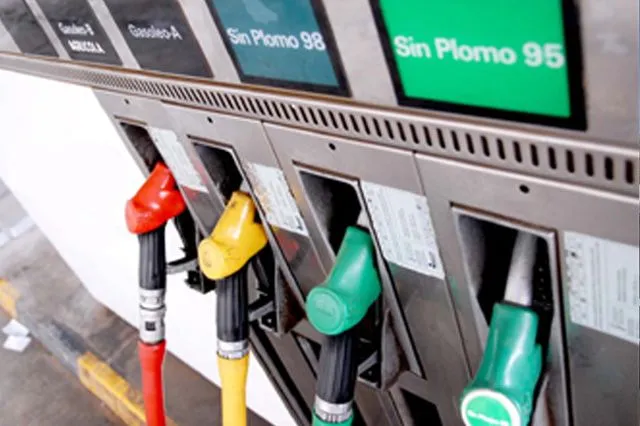
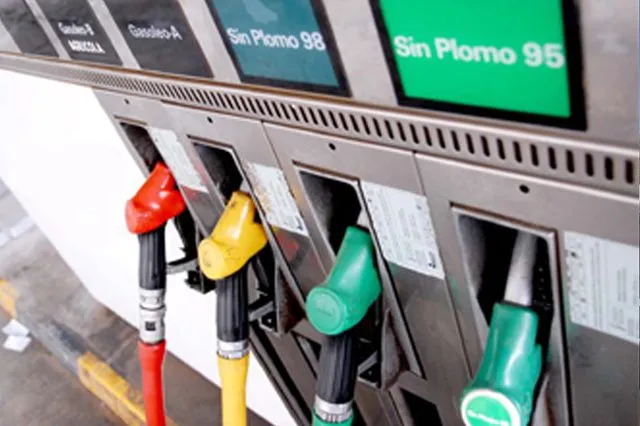
The reference prices as of today, October 19, 2026, are 1.78 euros per liter of 95 octane gasoline and 1.89 euros per liter of A diesel, based on the average prices in the Peninsula and Balearic Islands. With these rates, the annual cost would be around 1,736 euros for gasoline and 1,567 euros for diesel.
For home electricity use, we are now using today’s average price from the regulated market, which is 0.22 euros/kWh. We also maintain a nighttime charging rate of 0.17 euros/kWh and a public charging rate of 0.50 euros/kWh for those without a garage space. These prices allow comparison of different charging habits while keeping the same car and mileage.
How much does it cost to charge at home and at public stations?
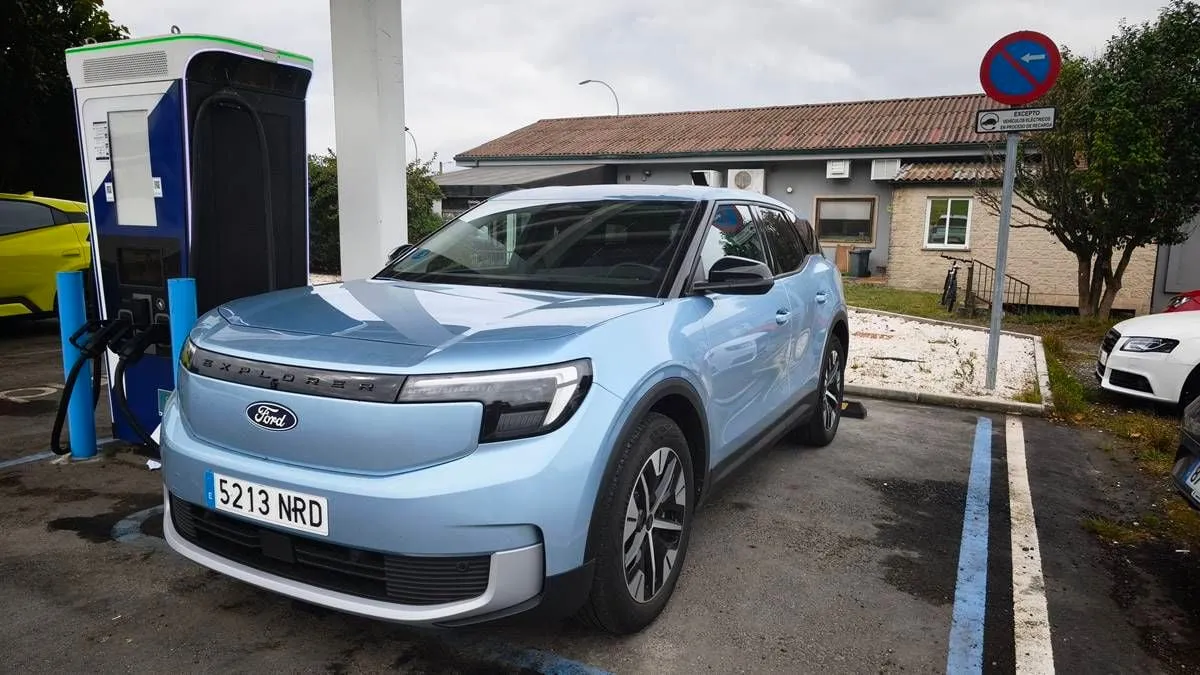
Charging exclusively at home at 0.17 euros/kWh during off-peak hours, it would cost around 3.02 euros to travel 100 kilometers. For the planned 15,000 kilometers, the annual energy bill would be approximately 453 euros. According to our calculations, this would save around 1,283 euros compared to gasoline and 1,113 euros compared to diesel.
If we use the average domestic price of 0.22 euros/kWh, the cost would be around 3.91 euros per 100 kilometers and 587 euros annually. The savings would still be significant: approximately 1,150 euros compared to gasoline and 980 euros compared to diesel. Charging at the off-peak rate in the example would allow an additional savings of 133 euros per year.
But there are also drivers who don’t have a home charger. For them, we consider a scenario where charging occurs exclusively at public stations at 0.50 euros/kWh, including taxes, with no subscription fees or other additional charges. This is a reference price for estimation purposes only, not an average across the entire Spanish network.
In this case, the approximately 17.78 kWh used per 100 kilometers would result in a cost of 8.89 euros. Multiplied by 15,000 kilometers per year, the total expense would be around 1,333 euros. The electric vehicle would cost approximately 403 euros less than a gasoline car and 233 euros less than a diesel car in this example.
Powertrain and Scenario
Energy cost used
Cost per 100 km
Cost per 15,000 km
Gasoline, 6.5 l/100 km
1.781 euros/l
11.58 euros
1,736 euros
Diesel, 5.5 l/100 km
1.899 euros/l
10.44 euros
1,567 euros
Electric, home charging at night
0.17 euros/kWh
3.02 euros
453 euros
Electric, home charging at assumed average price
0.22 euros/kWh
3.91 euros
587 euros
Electric, 70% home charging at night and 30% public
0.269 euros/kWh
4.78 euros
717 euros
Electric, 70% home charging at average price and 30% public
0.304 euros/kWh
5.40 euros
811 euros
Electric, 100% fast charging
0.50 euros/kWh
8.89 euros
1,333 euros
The difference between always charging at home for 22 cents and doing so only at public stations for 50 cents amounts to about 747 euros per year, or roughly 62 euros per month. With the same car and the same mileage, having home charging allows for a significant increase in cost savings, as long as we don’t have to rent a charging spot, because otherwise the savings disappear. That said, we retain the convenience of having a charger available upon arrival, which is a very important extra comfort, especially if you drive many kilometers every day.
Using public chargers occasionally still results in savings. If 70% of the energy is purchased at home at 0.22 euros/kWh and the remaining 30% outside at 0.50 euros/kWh, the annual cost would be around 811 euros. This still amounts to approximately 926 euros in savings compared to gasoline and 756 euros compared to diesel.
With these consumption and loss levels, the break-even point is around 0.651 euros/kWh compared to gasoline and 0.588 euros/kWh compared to diesel. Above these average charging prices, electric vehicles would be more expensive in terms of energy costs. At 50 cents, it still holds an advantage over both, though the outcome will vary depending on actual consumption and fluctuations in fuel prices.
The calculations compare only energy costs. They do not include the purchase price of the car, financing, insurance, maintenance, charger installation, or possible increases in contracted power. Nor do we include the fixed costs of an existing home electricity supply, although any additional expenses required for charging would need to be deducted from the savings, nor do we account for the maintenance costs of gasoline vehicles.
For those who charge at home at 22 cents per kWh, the difference compared to gasoline in this example is around 96 euros per month. Those who rely on the public grid can also reduce their energy costs, but they need to pay close attention both to the price of the charger and to the consumption of the car they choose.