
These trams cost less than 5,000 euros with the new government support.
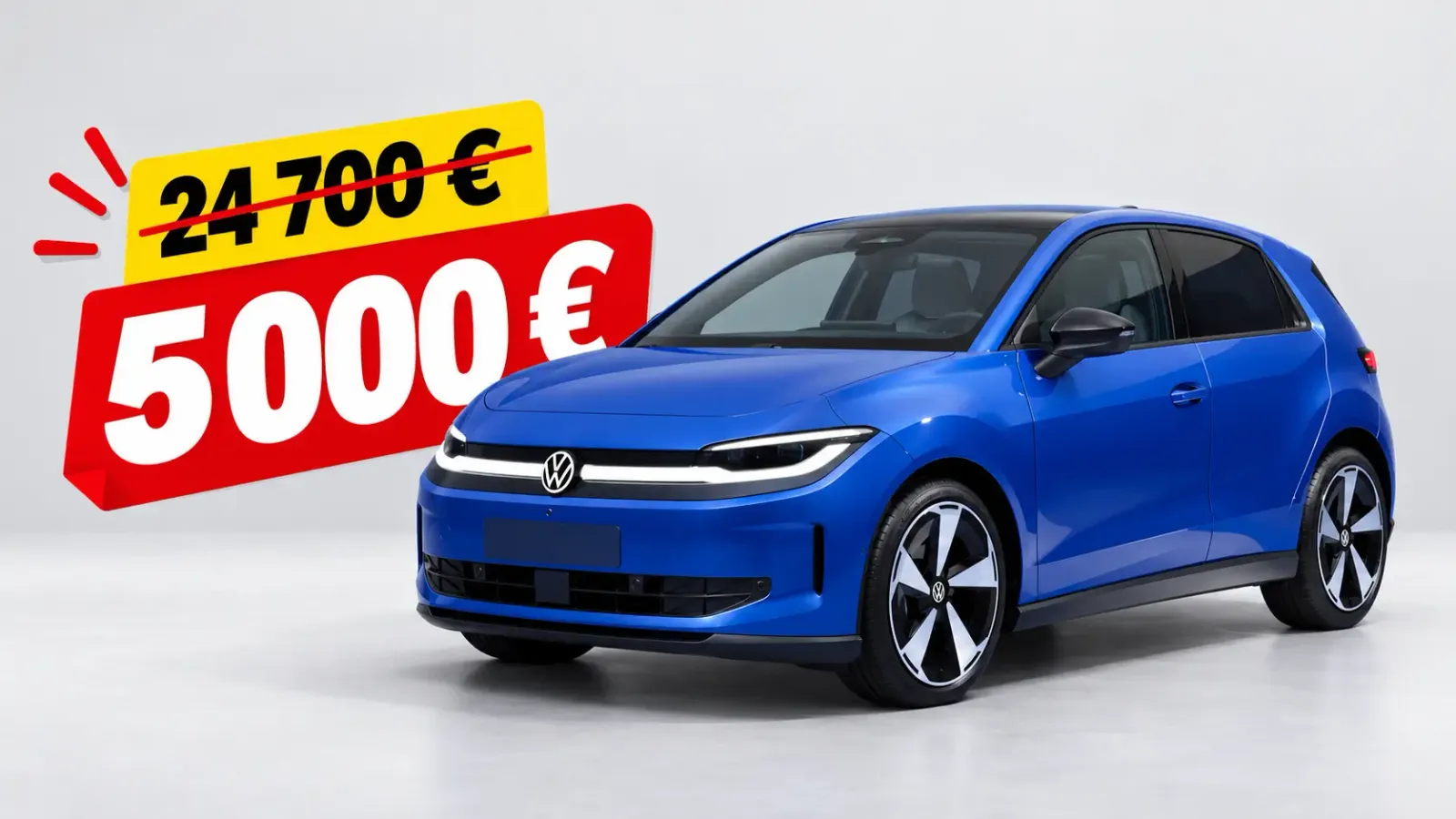
The new government-backed program for purchasing electric vehicles can cover up to 80% of the purchase price. We’ve compiled a list of 10 new electric vehicles that can be bought for less than 5,000 euros.
Amid discussions on taxes, housing, and other issues, parliamentary debates on the 2027 State Budget proposal brought good news for those wanting to buy an electric car: subsidies of up to 80% of the purchase price have been announced for the most financially disadvantaged families.
The measure was announced yesterday, October 28, by the Minister of Environment and Energy, Maria da Graça Carvalho, with the goal of making sustainable mobility more accessible to everyone.
In practice, the plan is ambitious: the state will cover up to 80% of the cost. Calculations show that an electric car costing 25,000 euros could end up costing the buyer only 5,000 euros, with the government covering the remaining 20,000 euros.
However, there are still issues to resolve. No maximum price ceiling has been announced, nor has it been specified whether it will be mandatory to trade in a gasoline car over 10 years old, as has been the case with previous support programs.
But the promise has been made. In anticipation of this measure, we carefully analyzed the automotive market and, considering the 80% subsidy, identified models that could cost 5,000 euros or less. We reiterate that this is merely a theoretical exercise, as not all details of the program have been finalized yet.
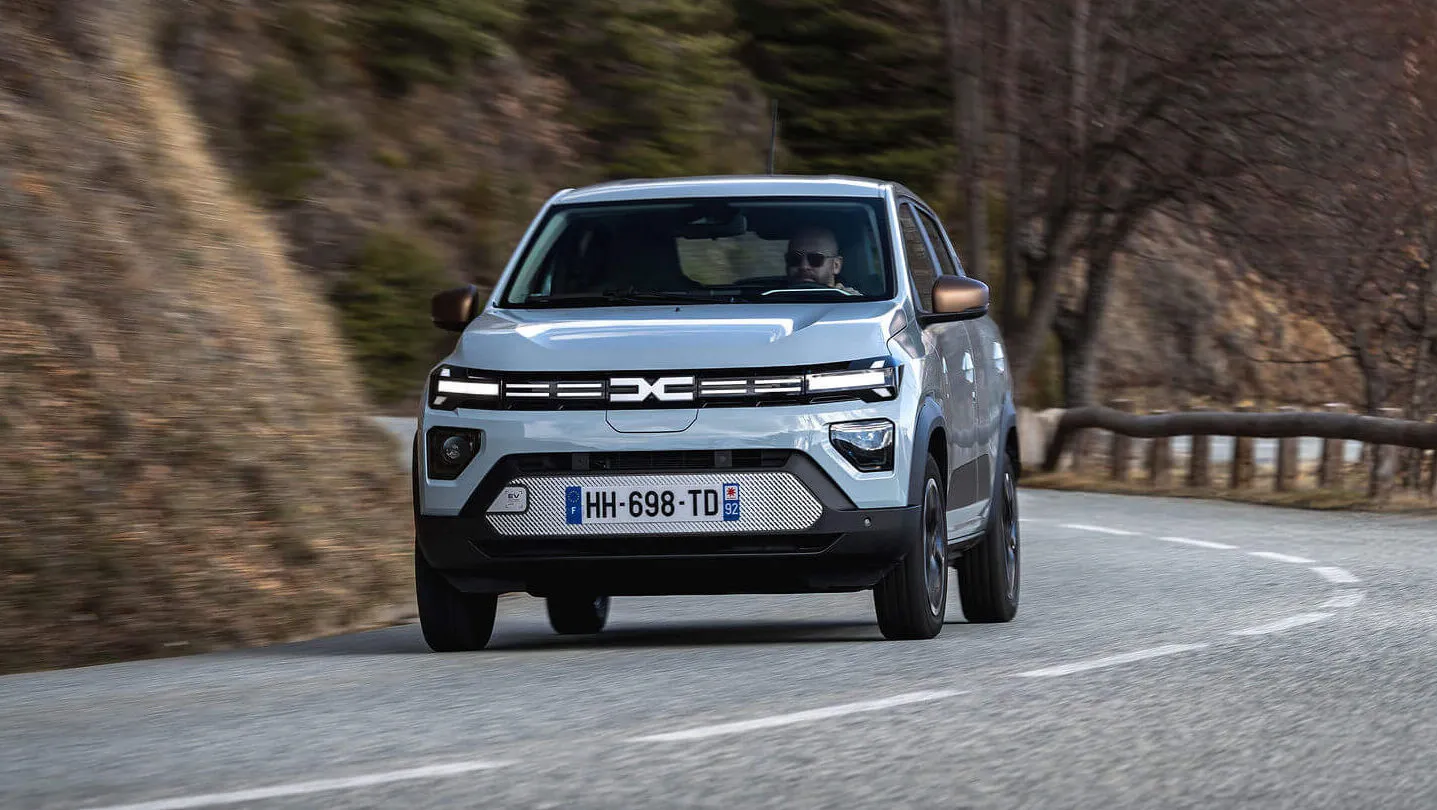
Dacia Spring — from 3380 €
Not only is it the cheapest electric car on the market, but the Dacia Spring is also the most affordable option on this list. If the price drops to 16,900 euros as expected, this Romanian city car will cost just 3,380 euros.
Available in three versions, the main differences lie in the level of equipment and the power of the electric motor: 52 kW (70 hp) in the entry-level versions and 75 kW (100 hp) in the top version. All versions share a battery with a useful capacity of 24.3 kWh, ensuring a range of up to 226 km (WLTP cycle).
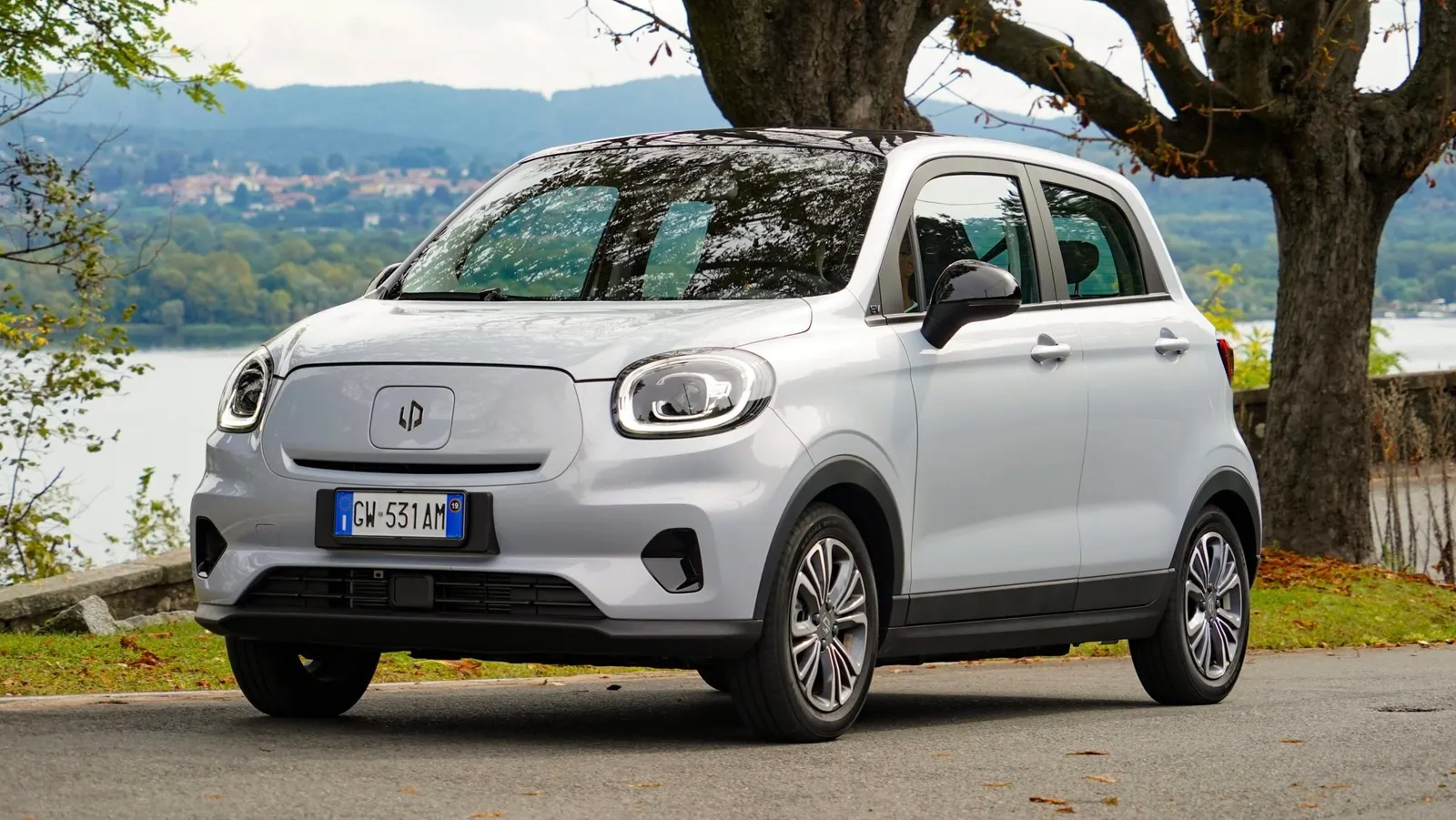
Leapmotor T03 — from 3858 €
Right behind it, by a slight margin, is the Leapmotor T03. It is the smallest electric vehicle from this Chinese brand and is available in Portugal for 19,290 euros. If we apply an 80% discount to this price, it drops to 3,858 euros.
At this price, Leapmotor offers a compact city car in terms of size, but not in terms of equipment. It comes equipped with a 10.1″ multimedia screen, a panoramic roof, and multiple driving assistance systems. The only optional feature is the paint color.
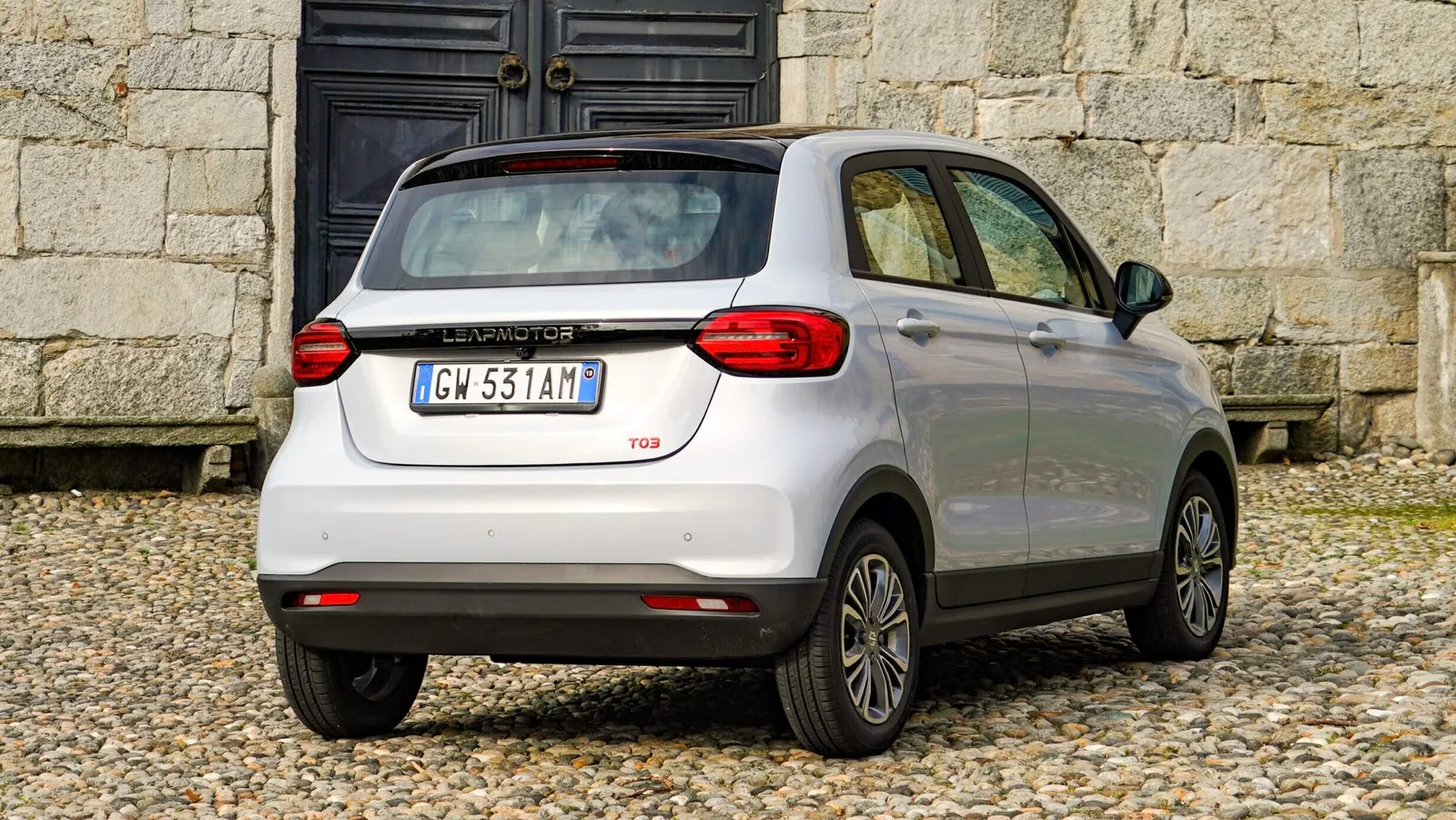
As for the technical specifications, the T03 has a 37.3 kWh battery that allows it to travel up to 265 km (WLTP). In terms of power, it delivers 69 kW (94 hp) and 158 Nm of torque.
SEE ALSO:
There’s another electric vehicle available for less than 20,000 euros. How much is the Chinese Leapmotor T03 worth?
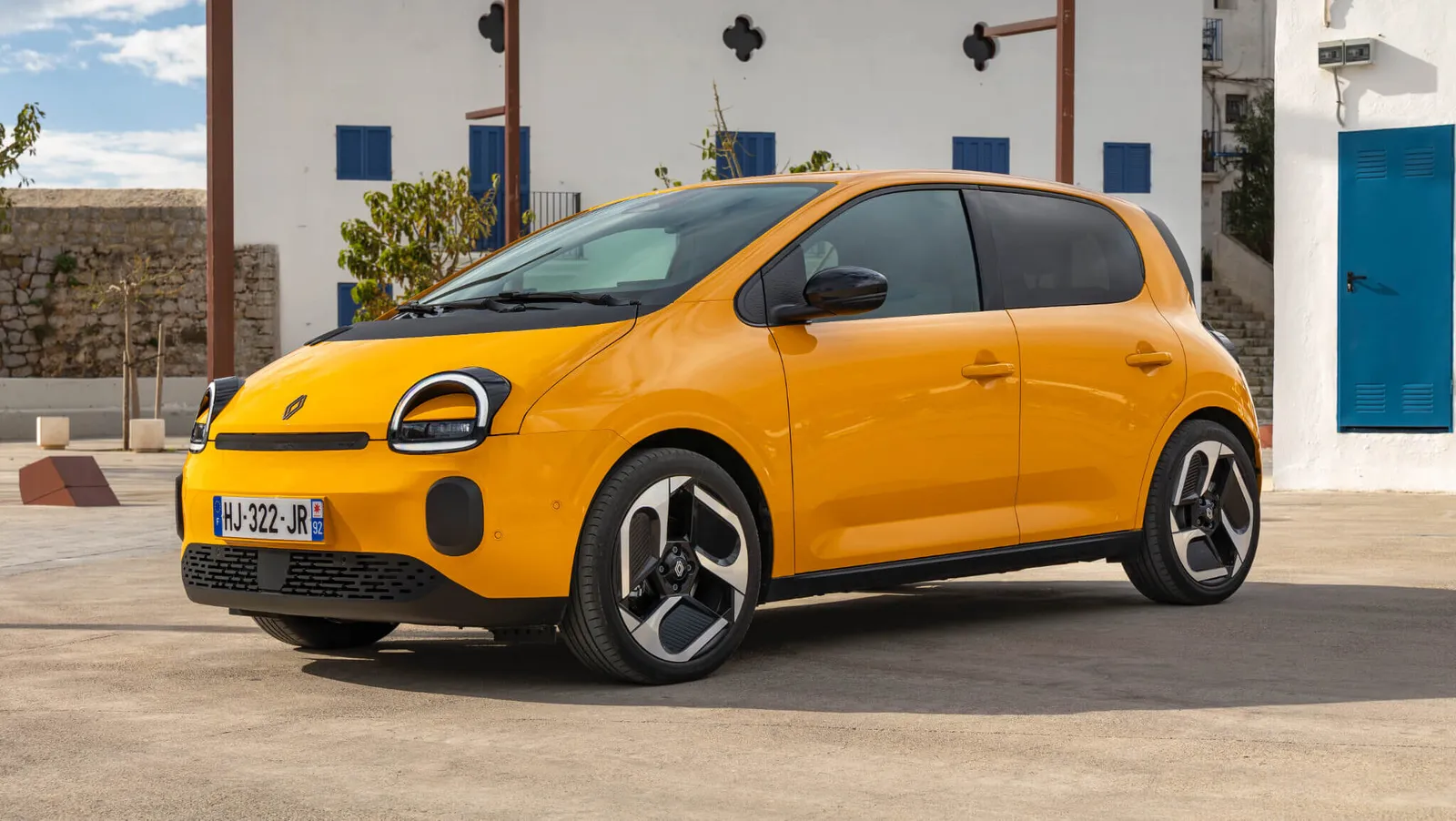
Renault Twingo E-Tech — starting at 3,898 €
The newly launched Renault Twingo has attracted attention with its design inspired by the original model introduced in 1992.
Available starting at 19,490 euros, it would drop to 3,898 euros with an 80% subsidy.
Offered in evolution and techno variants, it features the same powertrain consisting of an electric motor producing 60 kW (82 hp) and 175 Nm of torque, along with a 27.5 kWh battery that provides up to 264 km of range.
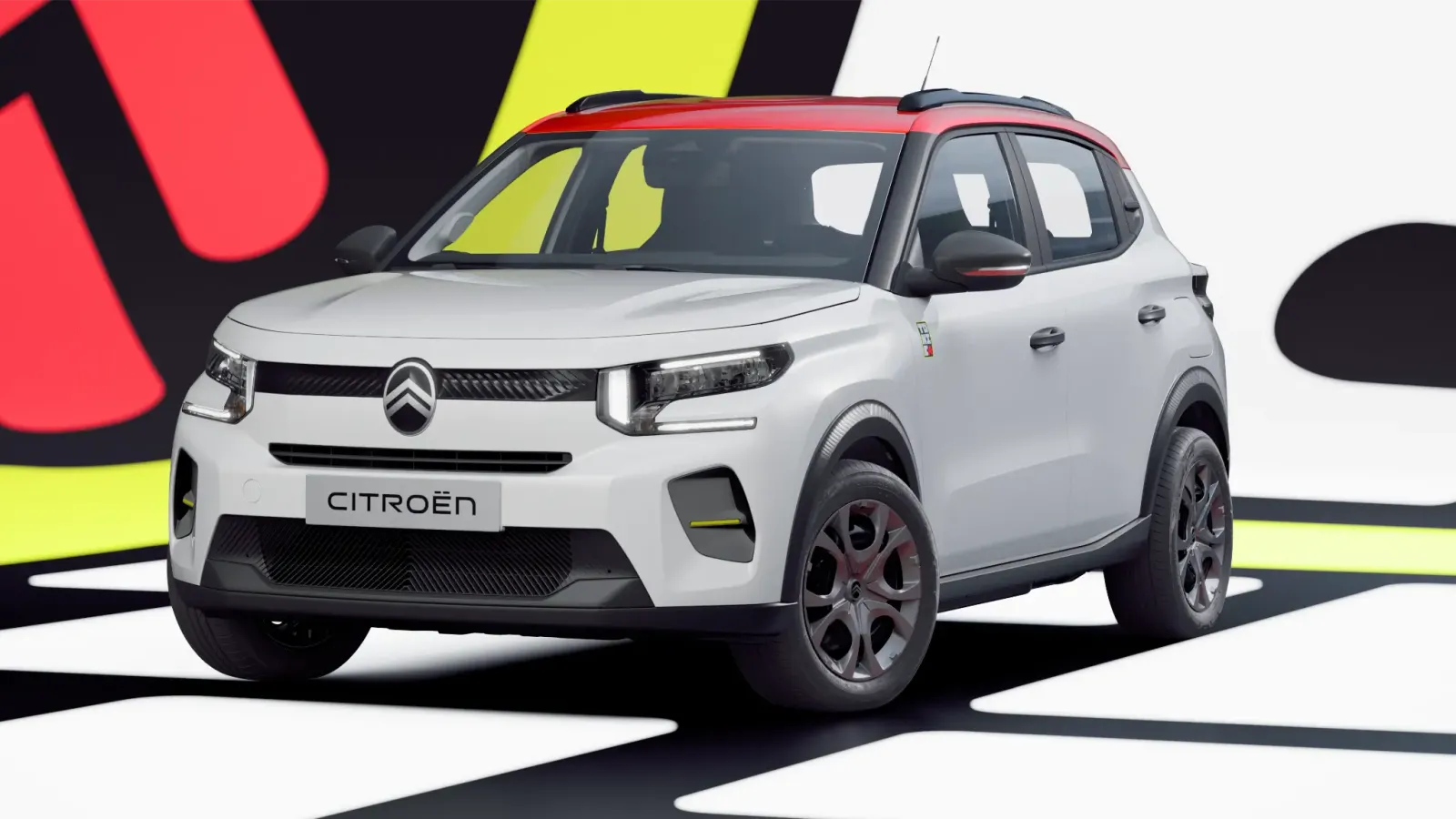
Citroën ë-C3 — starting at 3,998 €
The Citroën ë-C3 is the cheapest B-segment electric car on this list. Positioned as a blend of a utility vehicle and a crossover, it offers sufficient space for everyday needs.
Under the hood lies a 30 kWh battery that powers an electric motor with 83 kW (113 hp) and a maximum torque of 125 Nm. This package is available starting at 19,990 euros, or 3,998 euros with 80% government subsidy.
For those seeking greater range, Citroën offers a version with a 43.8 kWh battery, allowing up to 320 km of driving between charges. The price rises to 23,650 euros, or 4,730 euros if the subsidy is approved.
DO NOT MISS:
Five electric cars under 10,000 euros to help you ditch fossil fuels
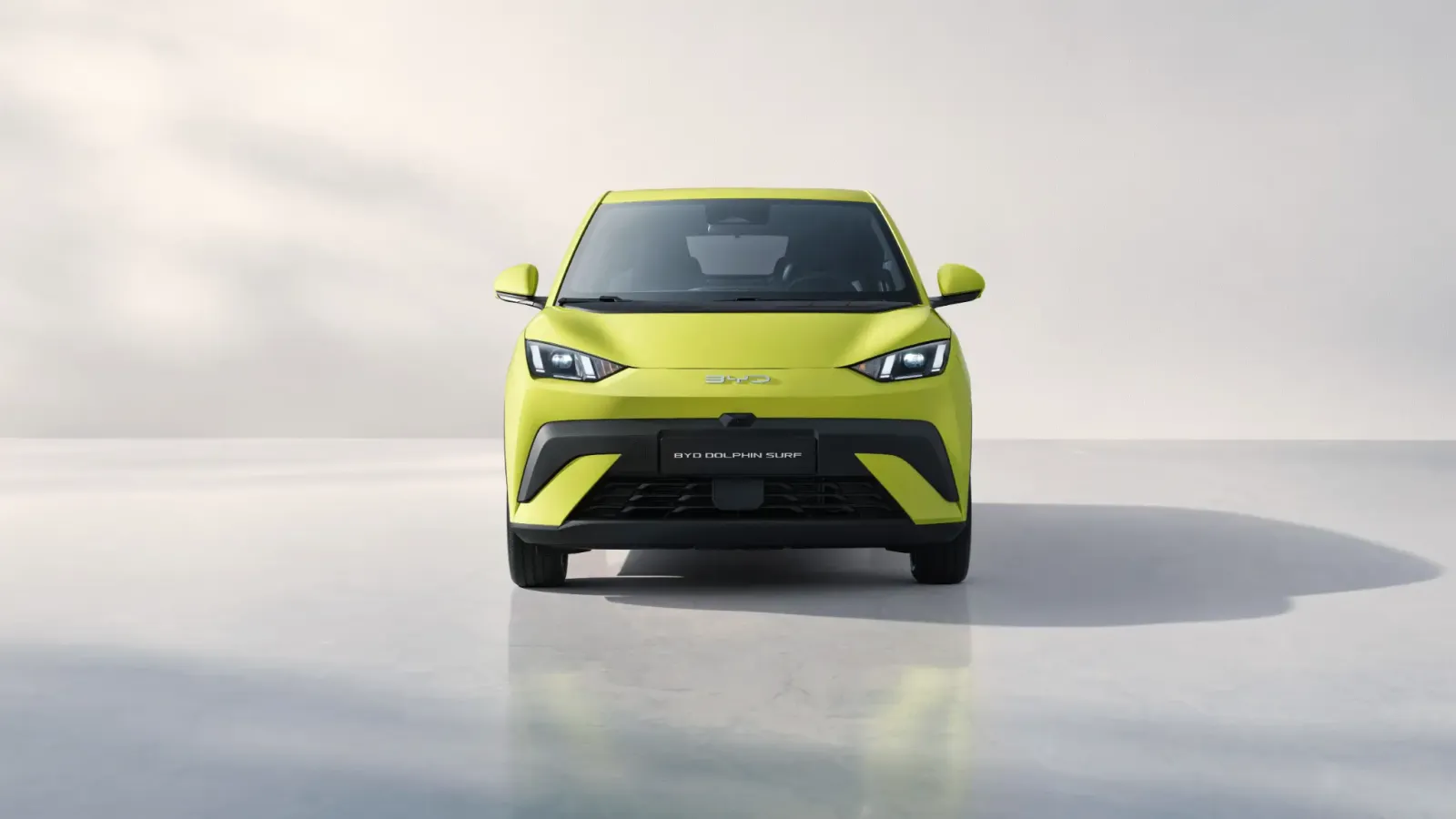
BYD Dolphin Surf — starting at 4300 euros
The Dolphin Surf is the smallest and cheapest model in the BYD range, with prices starting at 21,497 euros, or 4300 euros if the subsidy is approved.
Standardly, it features a 65 kW (88 hp) engine and 175 Nm of torque paired with a battery of just 30 kWh, providing up to 220 km of range (WLTP). But this isn’t the only version available.
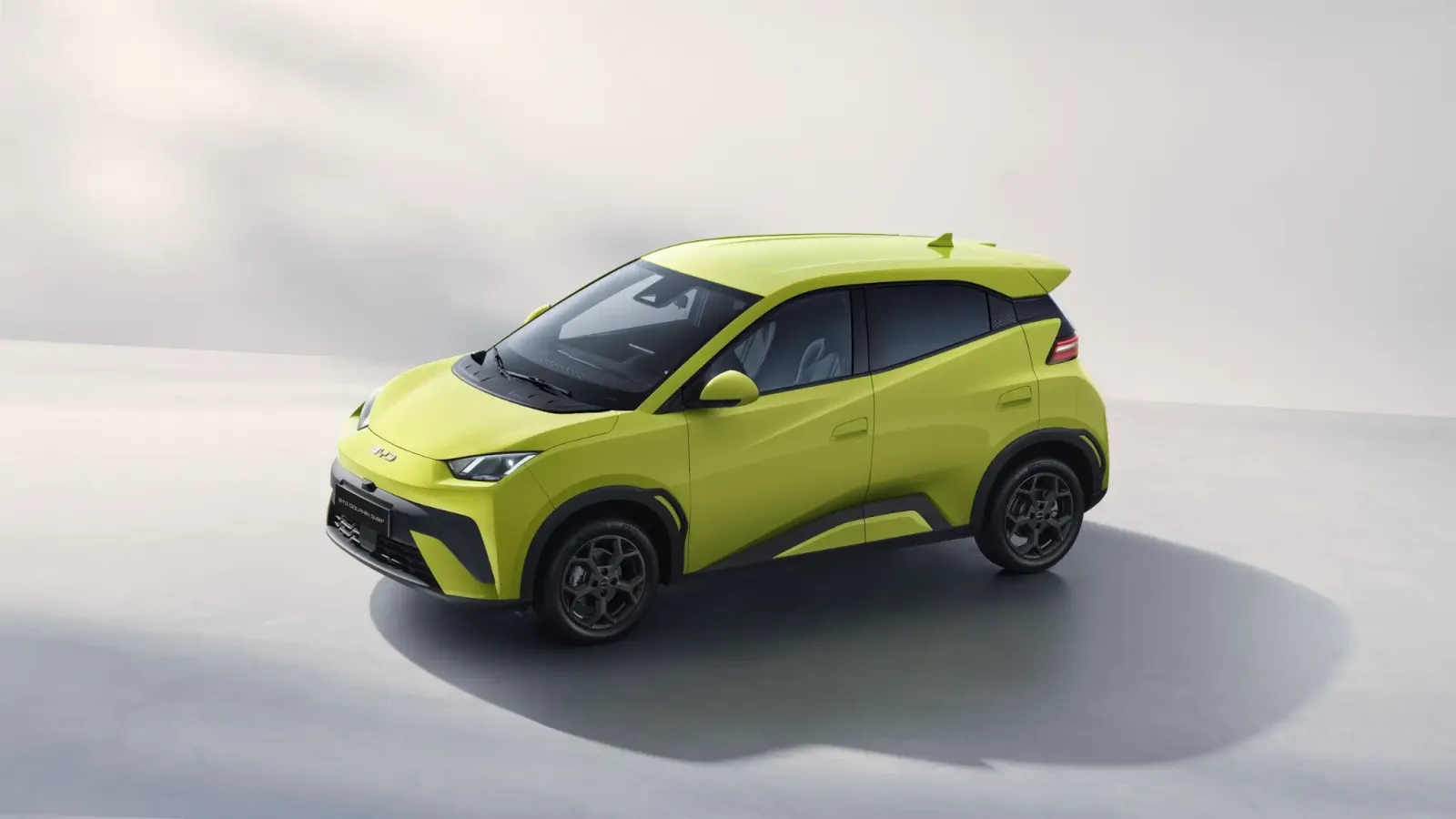
The Dolphin Surf is also available in Boost and Comfort versions, equipped with a larger battery (43.2 kWh) and greater range (322 km). However, both start at over 25,000 euros, meaning that even with a maximum discount of 80%, the price will not fall below 5,000 euros.
ADVERTISING
Don’t want to wait for subsidies?
Here you can find hundreds of used electric cars.
Geely E2 — from 4,380 €
The Geely E2 is the newest model on this list. Available in three trims – PRO, MAX, and ULTRA – only the first two versions can stay below the 25,000 euros mark.
With starting prices of 21,900 euros (PRO) and 24,900 euros (MAX), these figures would drop to unprecedented levels of 4,380 euros and 4,980 euros respectively if the 80% government subsidy is implemented.
Besides the equipment level, what separates the E2 PRO from the E2 MAX are the mechanics and battery. The entry-level version (PRO) features a 60 kW (82 hp) rear electric motor paired with a 35.35 kWh battery, offering a range of up to 252 km in combined WLTP cycle.
In the mid-tier MAX variant, the power increases to 85 kW (116 hp) and the battery capacity rises to 47.14 kWh, extending the maximum range to 345 km.
SEE ALSO:
Geely’s CEO in Europe says electric cars aren’t the only solution
Volkswagen ID. Polo — starting at 4940 €
Until the affordable electric car planned for Palmela arrives, the ID. Polo serves as the entry point into the German brand’s electric universe for now.
In a segment where price remains the main obstacle to electrification, the ID.Polo achieves a rare feat: it’s cheaper than the conventional Polo.
Below the 25,000 euro threshold, the choice narrows down to the entry-level version, available in the Portuguese market starting at 24,700 euros. If the 80% discount on the Executive version goes through, this price drops to an attractive 4,940 euros.
Called Trend, this variant is equipped with the entry-level electric motor, producing 85 kW (116 hp) and 267 Nm of torque, paired with a 37 kWh usable battery. It’s a setup focused on urban efficiency, yet it has enough capacity to ensure the German utility vehicle can travel over 320 km between charges.
Leapmotor B03X — from 4,897 €
The Leapmotor B03X is the only SUV and the second Leapmotor model on this list. At 4.27 meters in length, it can easily serve as a family’s primary car, thanks to its 510-liter trunk space — larger than that of models in higher segments.
Alongside the Geely E2, the B03X is also available in more than one version, but only the base model, with prices starting at 24,787 euros, can potentially drop below 5,000 euros if the subsidy is approved—its price would then be 4,897 euros.
The entry-level version, called Pro, boasts a range of up to 301 km (WLTP) thanks to a 39.8 kWh LFP battery. This battery powers a front-wheel drive motor with 130 kW (177 hp).
MG4 Urban — from 4,994 €
Finally, there’s the MG4 Urban. Although it’s one of the larger models on this list, its base price allows it to stay below 5,000 euros if the 80% subsidy is confirmed.
Its larger size gives it the biggest trunk space in this group, with a capacity of 577 liters, along with solid interior space. Additionally, it comes equipped with a comprehensive list of features even in the base version.
It is precisely this model, with prices starting at 24,969 euros, that makes it onto this list. With the support already mentioned, it is also the one closest to the target price of five thousand euros: 4,994 euros, to be more precise.
In this variant, it is equipped with an LFP battery of 42.8 kWh, which provides up to 325 km of range in combined WLTP cycles. As for the engine, the entry-level version delivers 110 kW (150 hp).