
These two cheap electric cars will cost less than 15,000 euros.
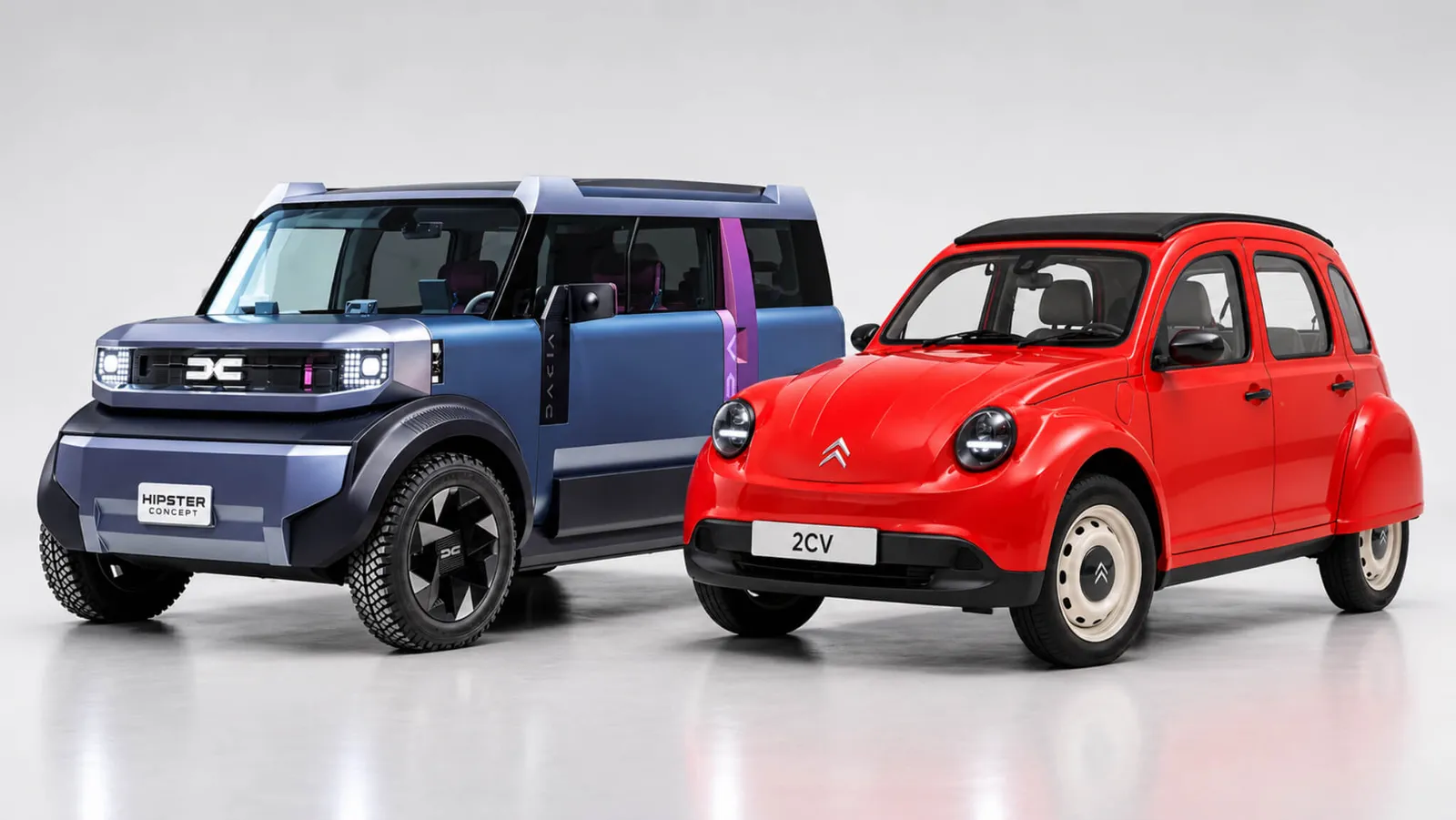
The approaches of these two vehicles couldn’t be more different, but their goal is the same: driving price wars to new lows.
The Dacia Hipster and the future Citroën 2CV couldn’t be more distinct. While the former aims for a simpler design and closer resemblance to quadricycles, the latter seeks to revive one of the most iconic names in the French brand’s history.
Yet despite these differences, one thing unites them: price. If the plans of these two brands succeed, we’ll have two electric vehicles costing less than 15,000 euros. In fact, the Hipster might even cost under 12,000 euros.
And this alone will ensure that these two electric vehicles generate a lot of buzz before they hit the market. The Dacia Hipster is expected to arrive by 2027, while the Citroën 2CV will come out in 2028.
Citroën 2CV
It is one of the most highly anticipated returns in recent times. Citroën will bring back the 2CV and launch it as an affordable electric vehicle, priced at 15,000 euros or less.
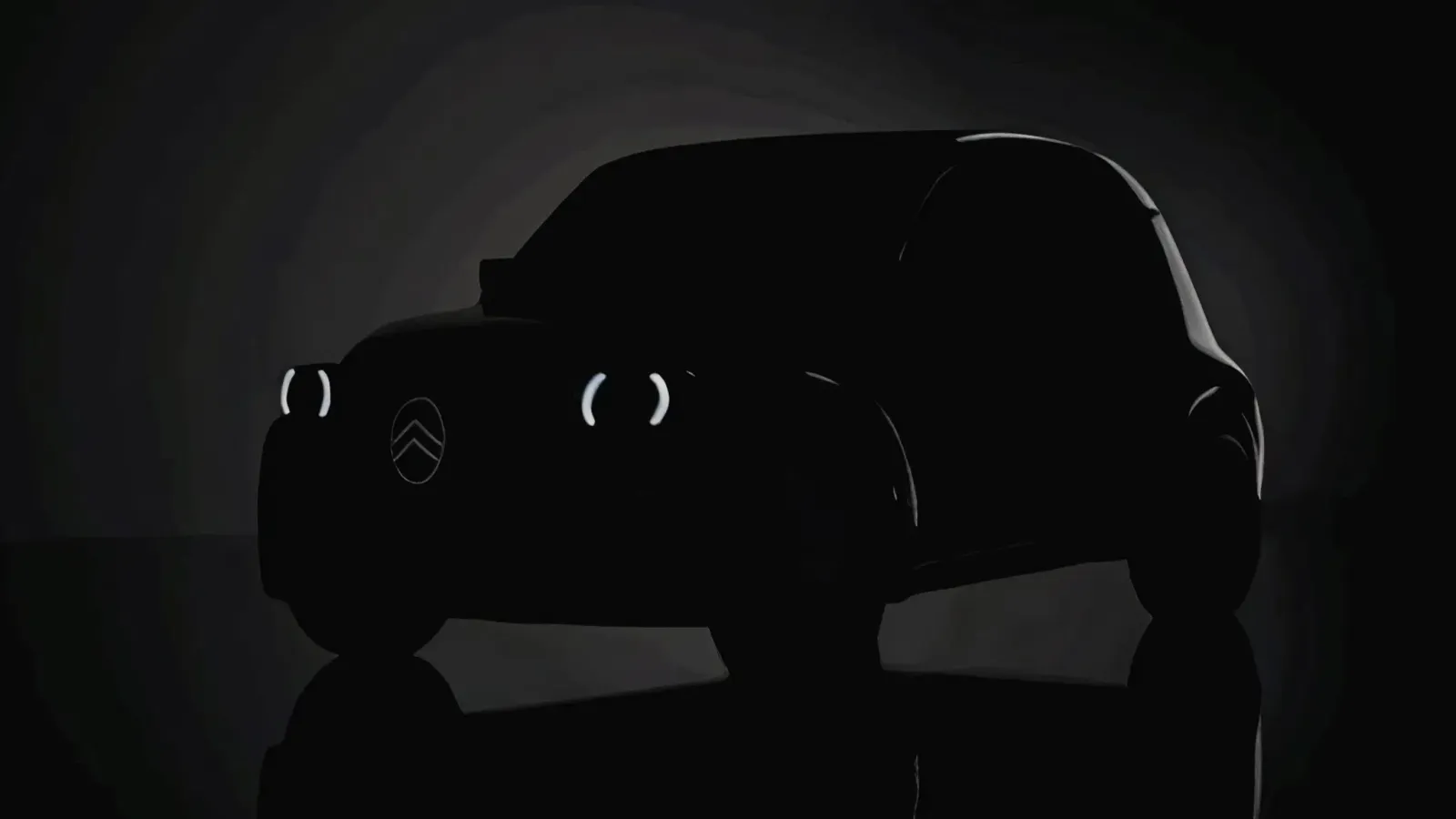
The new 2CV was first revealed in May with a teaser shown at the Stellantis Investor Day, and it will be presented as a prototype in October at the Paris Motor Show.
Manufactured in Italy at the Pomigliano d’Arco plant, it will be part of Stellantis’s E-Car project, which will also yield a similar model from FIAT and, according to some rumors, may even result in an Opel version. Production is set to begin in 2027, but it is not expected to hit the market before early 2028.
The teaser images released so far show very little, but they already give a glimpse of a silhouette that immediately reminds us of the original 2CV, which was once produced in Portugal, in Mangualde.
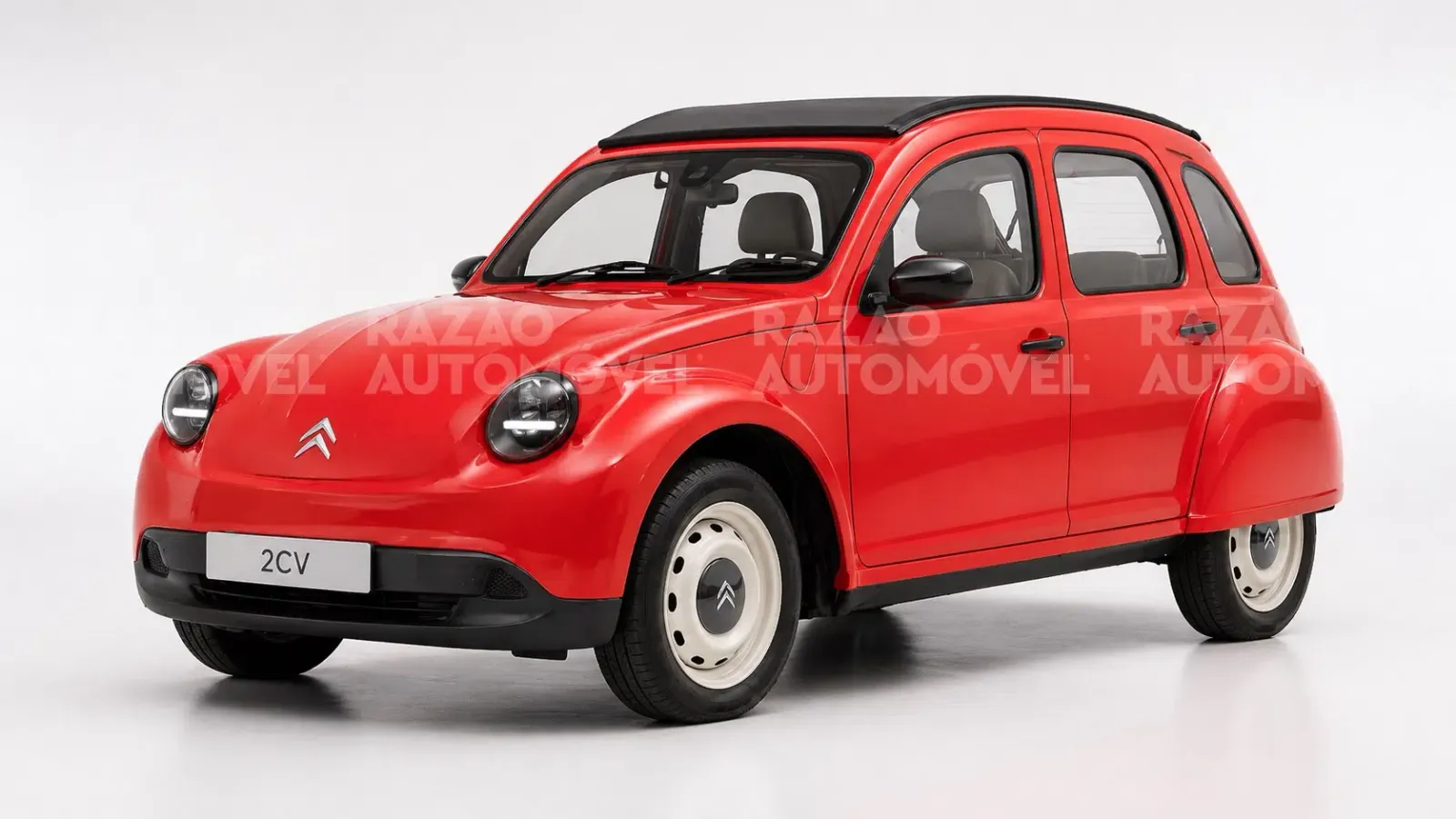
If the base price remains around 15,000 euros, the future Citroën 2CV will claim the title of the cheapest electric car on the market, currently held by the Dacia Spring.
Dacia Hipster
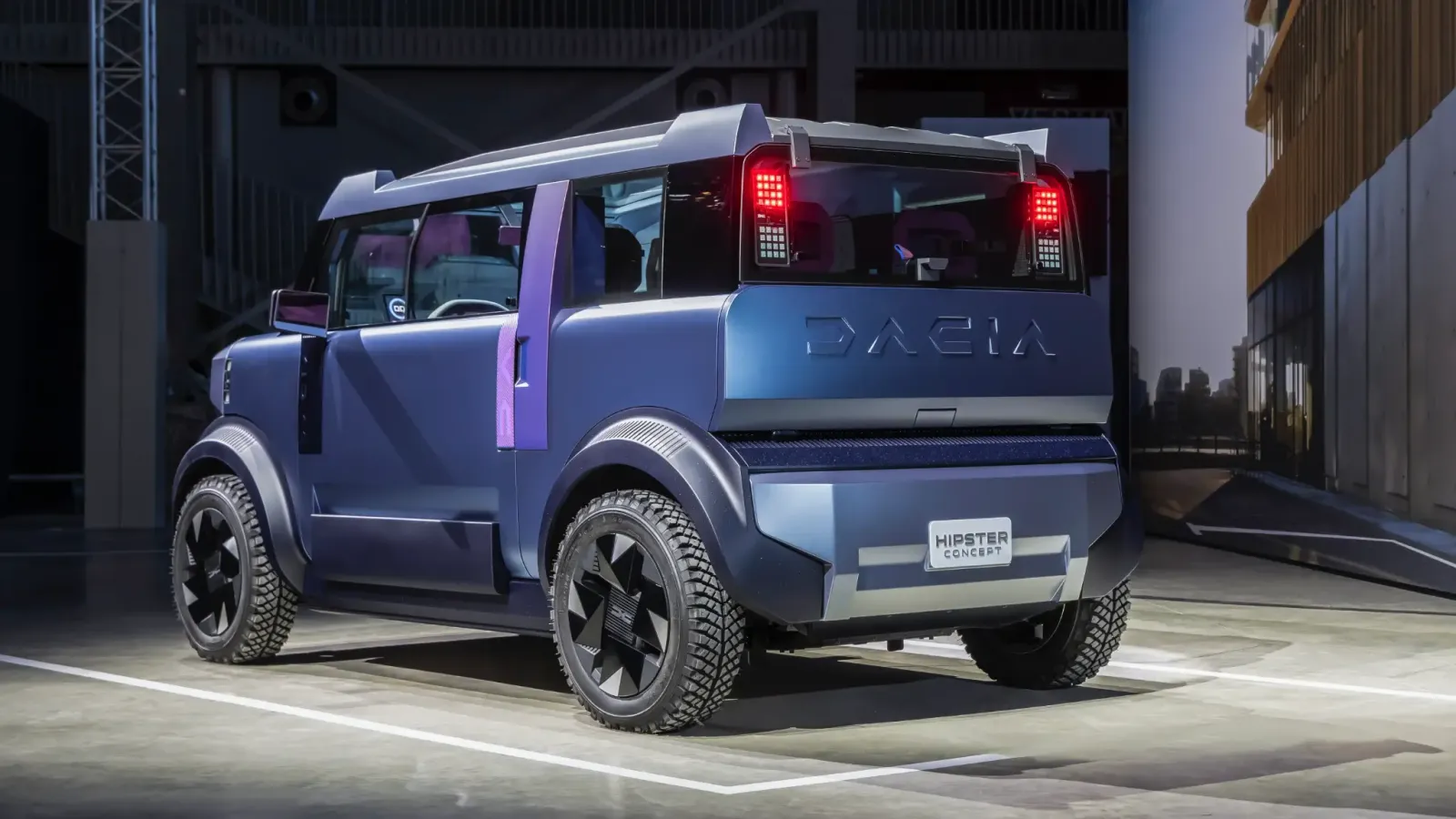
Speaking of Dacia, it’s worth taking a look at the Hipster, which was introduced in 2025 as a prototype, but whose production seems increasingly inevitable.
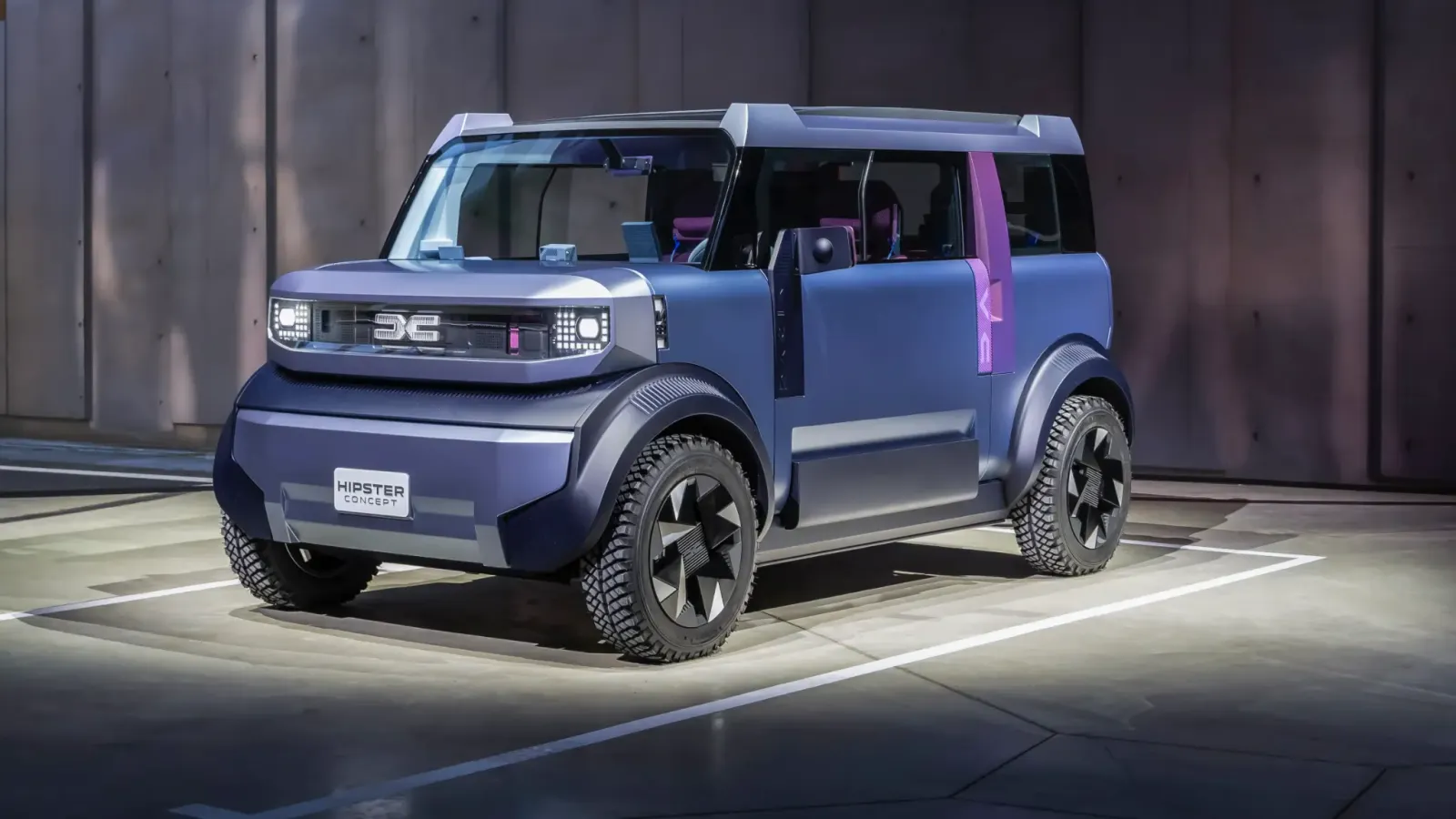
This is because the British publication Autocar has just confirmed that the model will indeed go into production in 2027, with manufacturing taking place in China at the Shiyan factory, where the first-generation Spring was produced until recently.
Very little is known about this model yet, which will sit below the Spring in Dacia’s lineup. It focuses on reducing weight, simplicity, and optimizing production costs, and may even reuse some components from the old Spring.
DO NOT MISS:
Mexico’s first electric car has 6 seats and costs half as much as a Dacia
However, the biggest difference from the 2CV might well lie in the category it will be classified under, as the same publication reports that this model is being developed to meet the requirements of class L7e, intended for heavy quadricycles.
It should be noted that this classification imposes several restrictions, including a maximum power of 15 kW (20 hp), a maximum weight of 450 kg (without the battery), and a top speed of up to 90 km/h.
Autocar also mentions that the Hipster could use a battery with a capacity of around 15 kWh, though no predictions are made regarding its range.
However, as an example, the XEV Yoyo, which we have already tested and is also classified in the L7e category, claims a range of up to 150 km with a battery having a capacity of 10.3 kWh.
In summary, it is unlikely that the Hipster and the 2CV will be direct competitors. But if the prices hold true, these two electric vehicles promise to drive the price war down to levels that even the Dacia Spring, currently the cheapest new electric car available in Portugal, cannot reach.