
These two cheap trams are identical where it matters most.
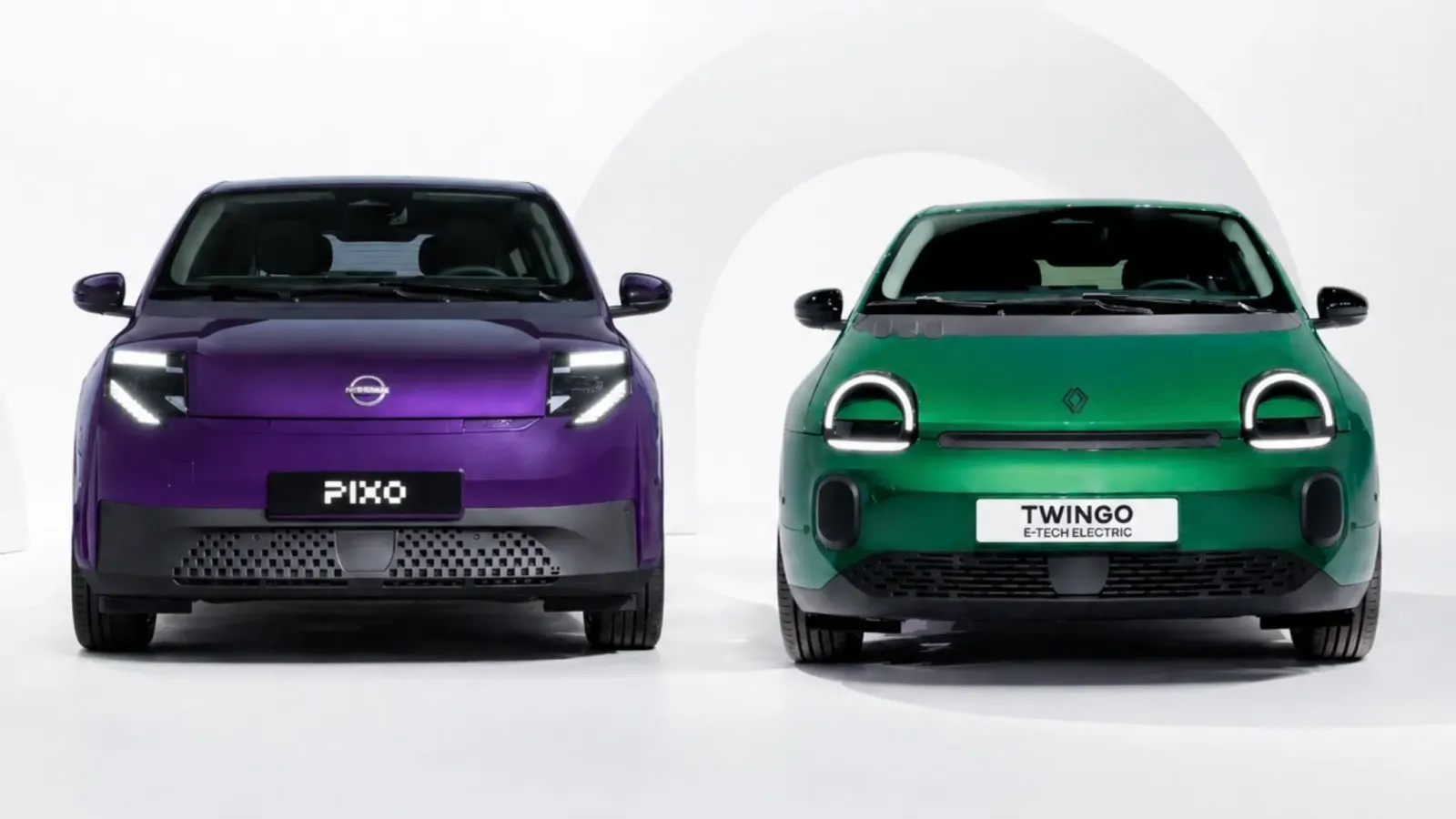
Born under different brands but as part of the same project, the Nissan Pixo and Renault Twingo are “false twins” with many similarities.
For a long time, price has been one of the main obstacles to the popularity of electric cars. It is precisely this issue that Renault Group aims to address with a new generation of small and affordable models, seeking to bring electric mobility to a broader audience.
The strategy involves reducing costs without compromising practical daily use, by employing compact models, batteries with lower capacity, and simpler technical solutions. The electric Renault Twingo E-Tech was the first model in this approach, with the new Dacia Spring being the second.
But this formula has also reached another electric vehicle outside the French group, a result of the Renault Nissan Mitsubishi Alliance: it’s called the Nissan Pixo and can be seen as a kind of Japanese cousin to the Twingo. The similarities are numerous, starting with the technical base. But we decided to look at what sets them apart.
The Differences
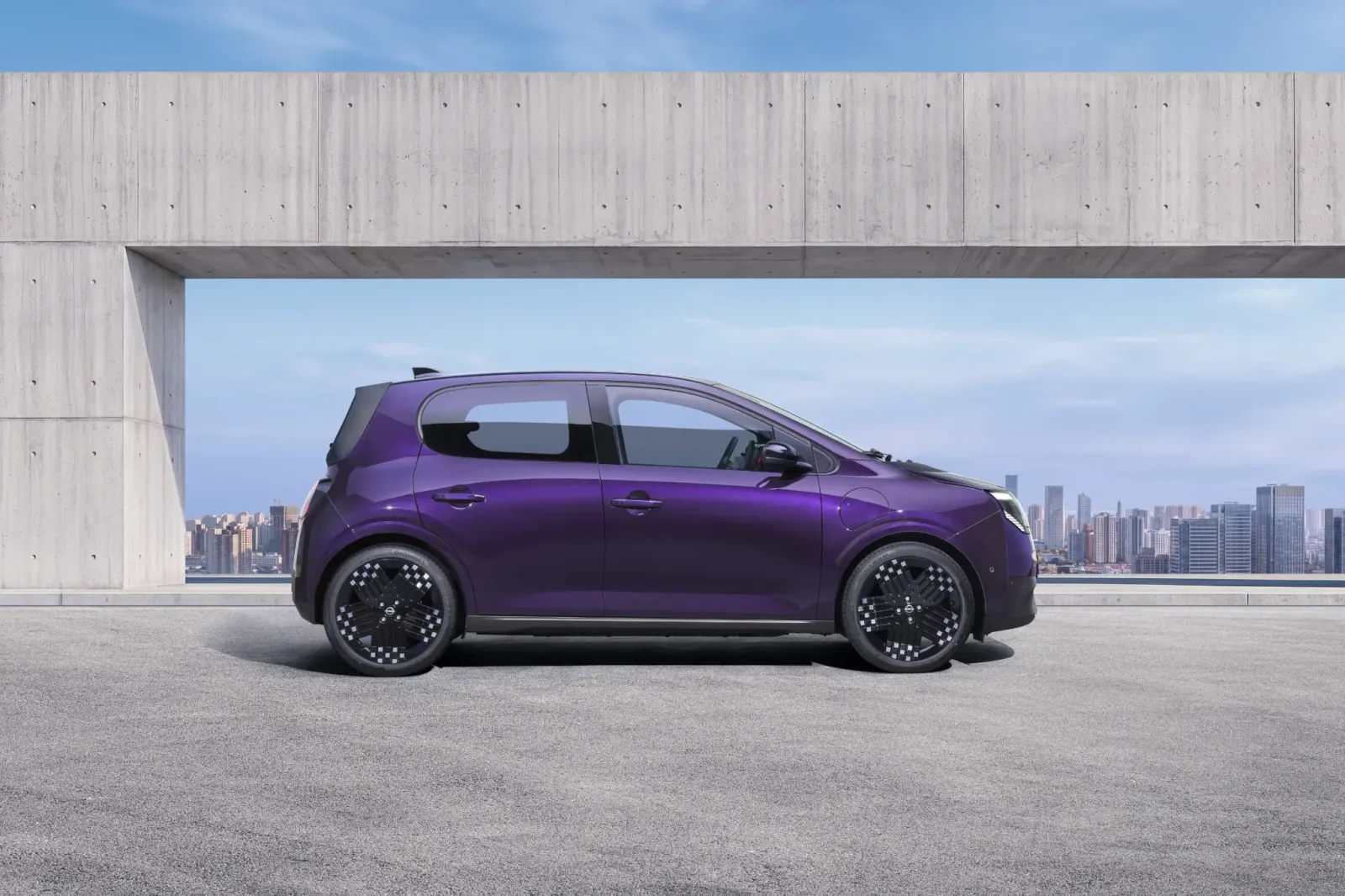
The Renault Twingo and the Nissan Pixo are practically identical in size. The French model measures 3.79 meters in length, while the Japanese version reaches 3.796 meters, just 5 mm longer. Both have five doors and four seats.
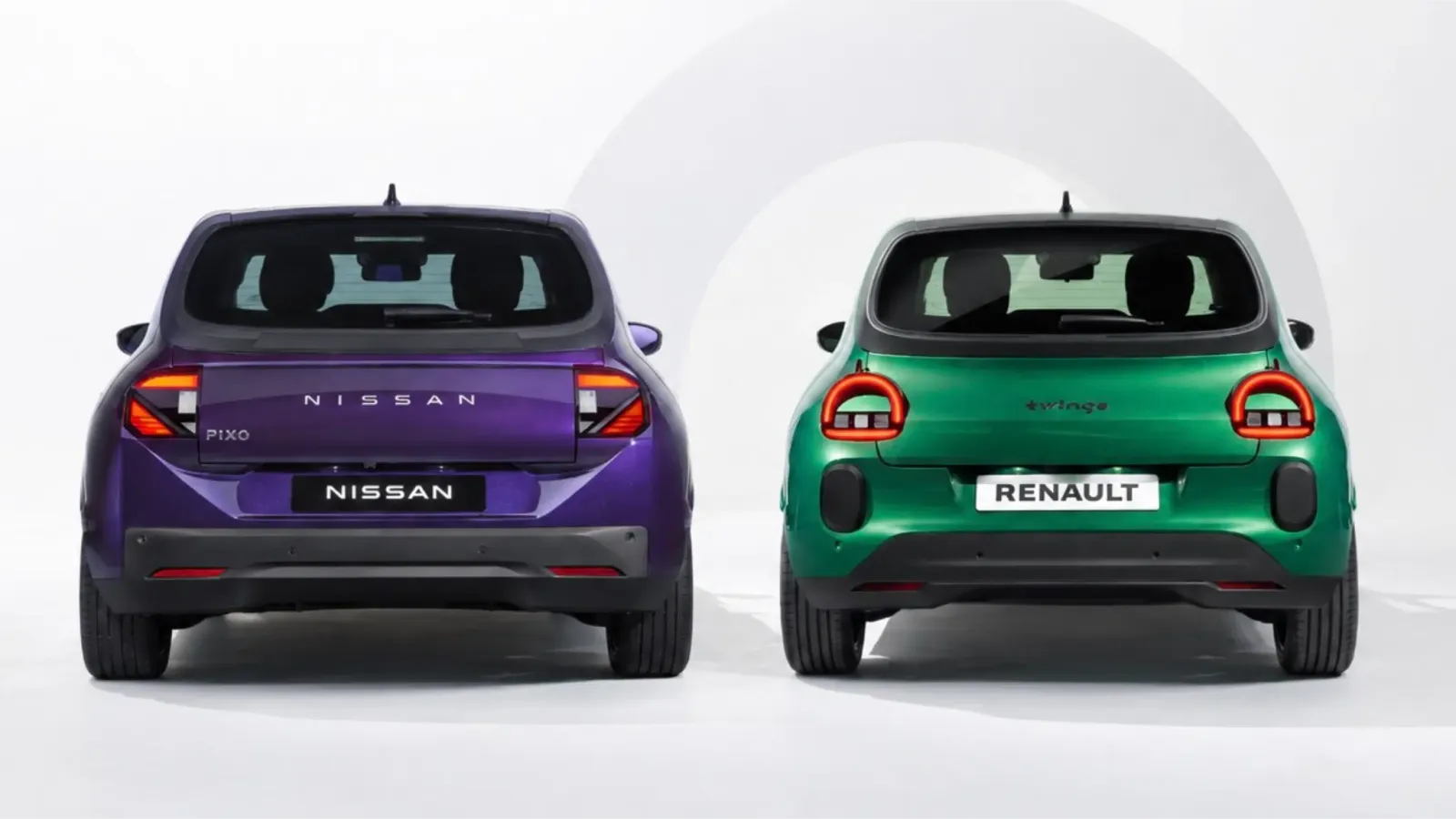
On the outside, however, the story is different. The Twingo draws back on elements from the original model from 1993, such as the round headlights and the “smiling” front end. The Pixo adopts a more geometric design language, with a lighting signature inspired by pixels, a more robust front end, and various details that echo the same theme. The resemblance is evident, but Nissan managed to give it its own distinct identity.
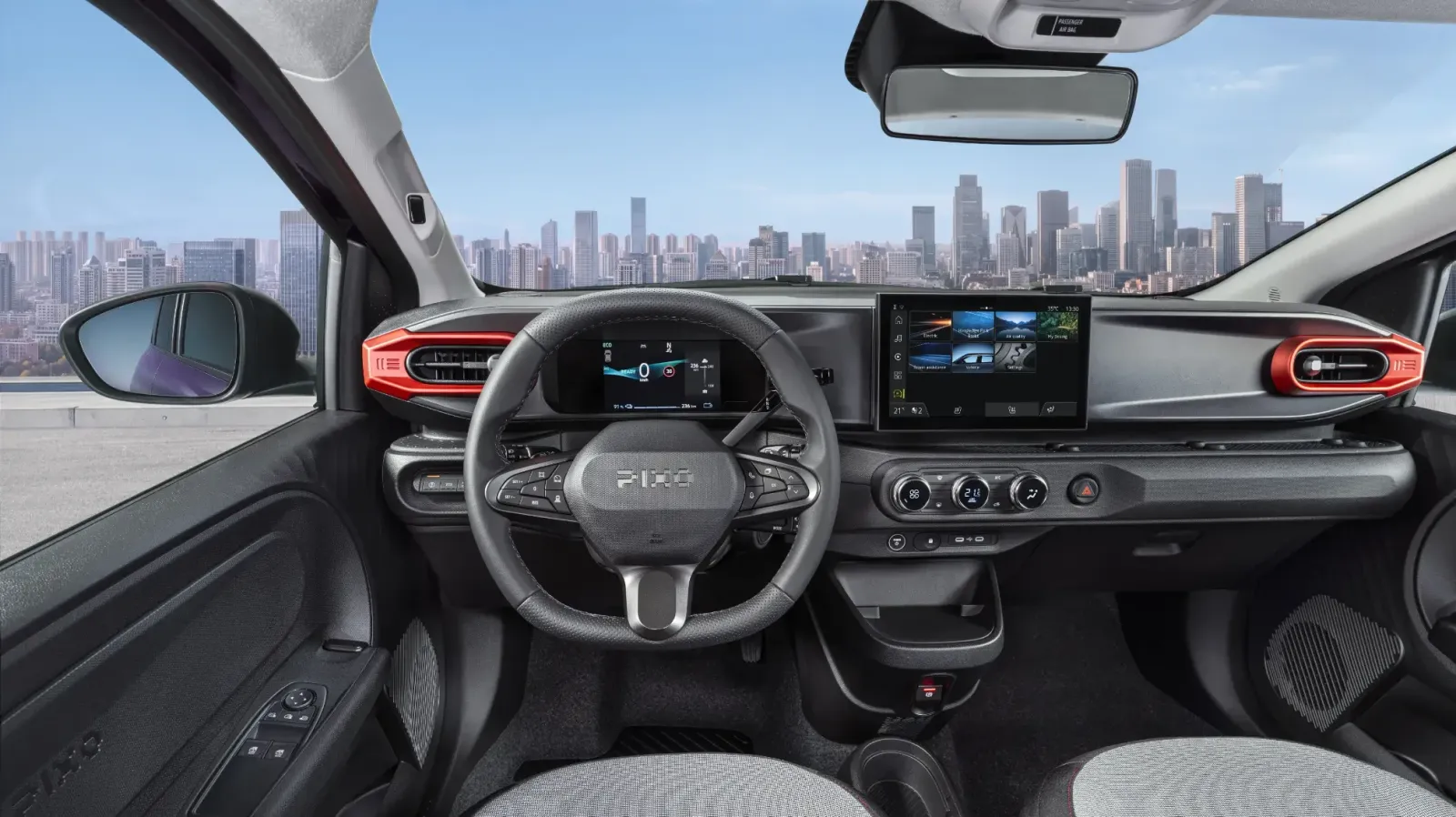
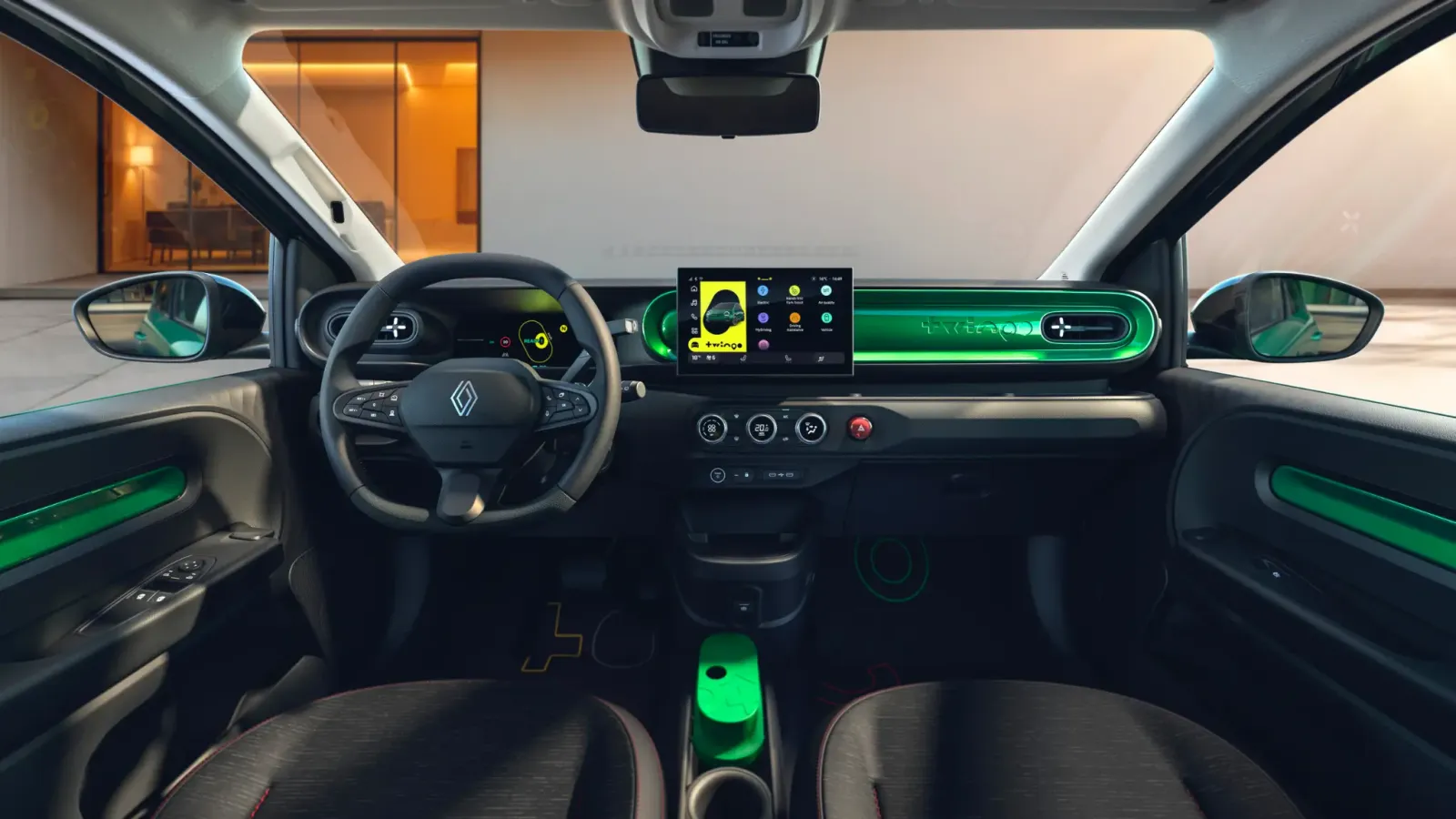
Inside, the Pixo has more difficulty hiding its close connection to the Twingo, as it uses the same 7″ instrument panel and the same 10″ central screen, though with their own respective interfaces.
The Pixo features integrated Google services, the Gemini assistant (a first in this segment), facial recognition, e-Pedal, hands-free parking, and a more comprehensive suite of driving assistance systems.
In addition, both models have sliding and foldable rear seats, allowing drivers to choose between passenger space or cargo capacity.
2 images
Same technical platform
As mentioned above, the great similarity between these two models lies precisely in what we don’t see. Both use the AmpR Small platform, the same electric motor with 60 kW (82 hp) and 175 Nm of torque, and the same 27.5 kWh LFP battery.
However, there is a slight difference in the announced range. The Twingo achieves 264 km (WLTP cycle), while the Pixo claims up to 259 km. In the case of Nissan, this figure is still subject to approval.
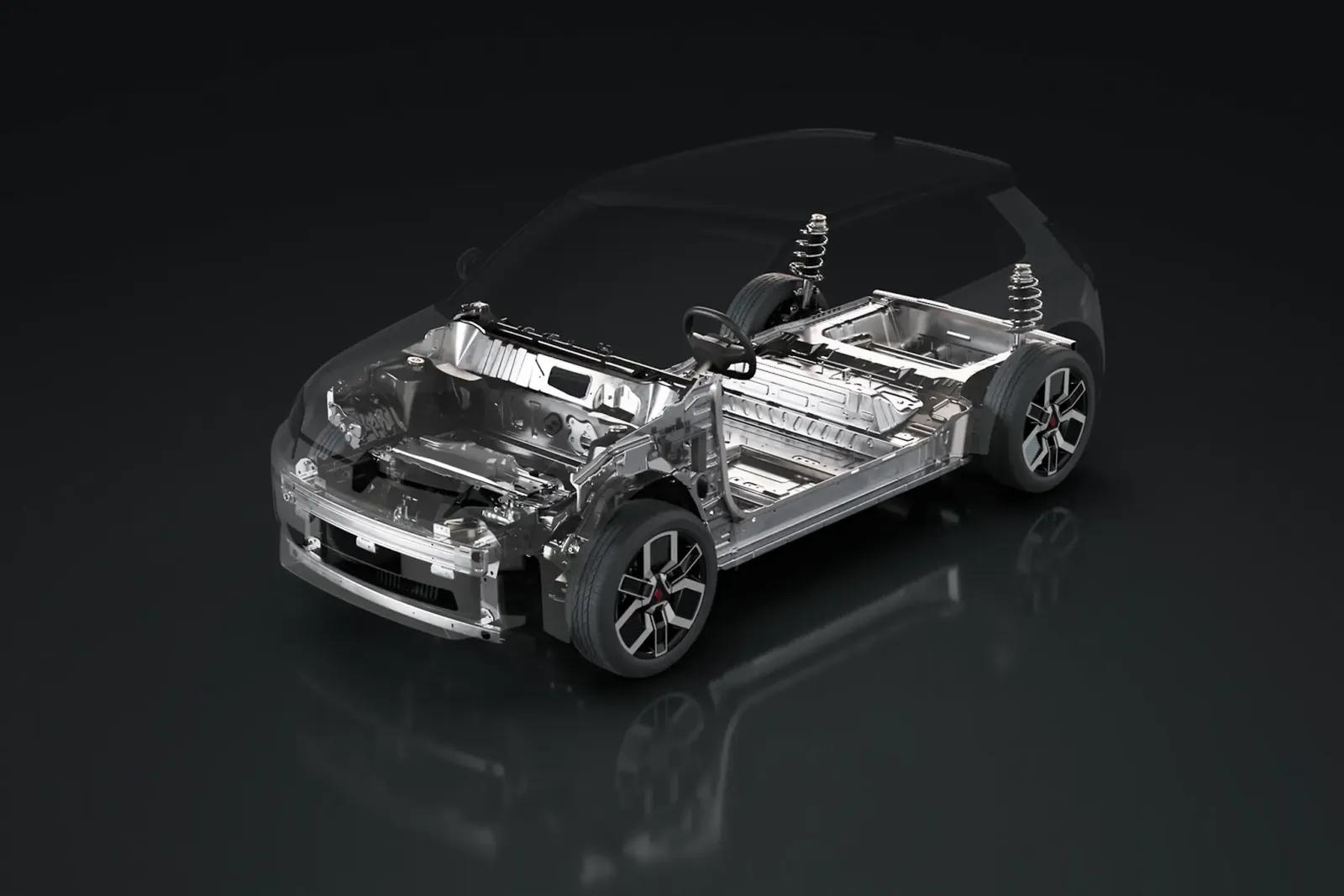
Even if confirmed, aside from being small, this difference is likely partly due to their configurations. A simple change like the size of the wheels is enough to affect the announced range.
The recipe is therefore the same. And there’s a reason for that: to reduce costs. The lower-capacity LFP battery helps achieve this goal. According to Renault, this technology allows for savings of around 20% compared to an NMC battery with equivalent capacity.
Still, there are differences in terms of technical specifications. In the Twingo, the battery can be charged via alternating current (AC) at 6.6 kW, a figure that rises to 11 kW with the optional Advanced Charge package (costing 500 euros). This also includes fast charging via direct current (DC) at 50 kW, allowing the battery to go from 15% to 80% charge in about 28 minutes.
In the Pixo, the story is similar but with some differences. DC charging up to 50 kW is standard across the entire range, allowing it to reach 15% to 80% charge in the same amount of time. For AC charging, the charger supports up to 11 kW and is bidirectional, enabling it to power external devices using the car’s battery.
Discover your next car:
What about the price?
This is the part of the comparison we cannot determine at this time. The Renault Twingo E-Tech electric vehicle already has prices set for Portugal: the entry-level Evolution version is available starting at 19,497 euros, while the more equipped Techno version costs 21,097 euros.
In the case of the Nissan Pixo, there is still no official price for the domestic market. The brand does indicate, however, that prices, versions, and promotional campaigns will be announced in December 2026, with an expected market launch in 2027.
Still, looking at the Nissan Micra and Renault 5 E-Tech, we can see that the price difference will not be huge. If we compare only versions with the same base engine of 90 kW (120 hp), the R5 starts at 27,740 euros while the Micra begins at 28,572 euros.