
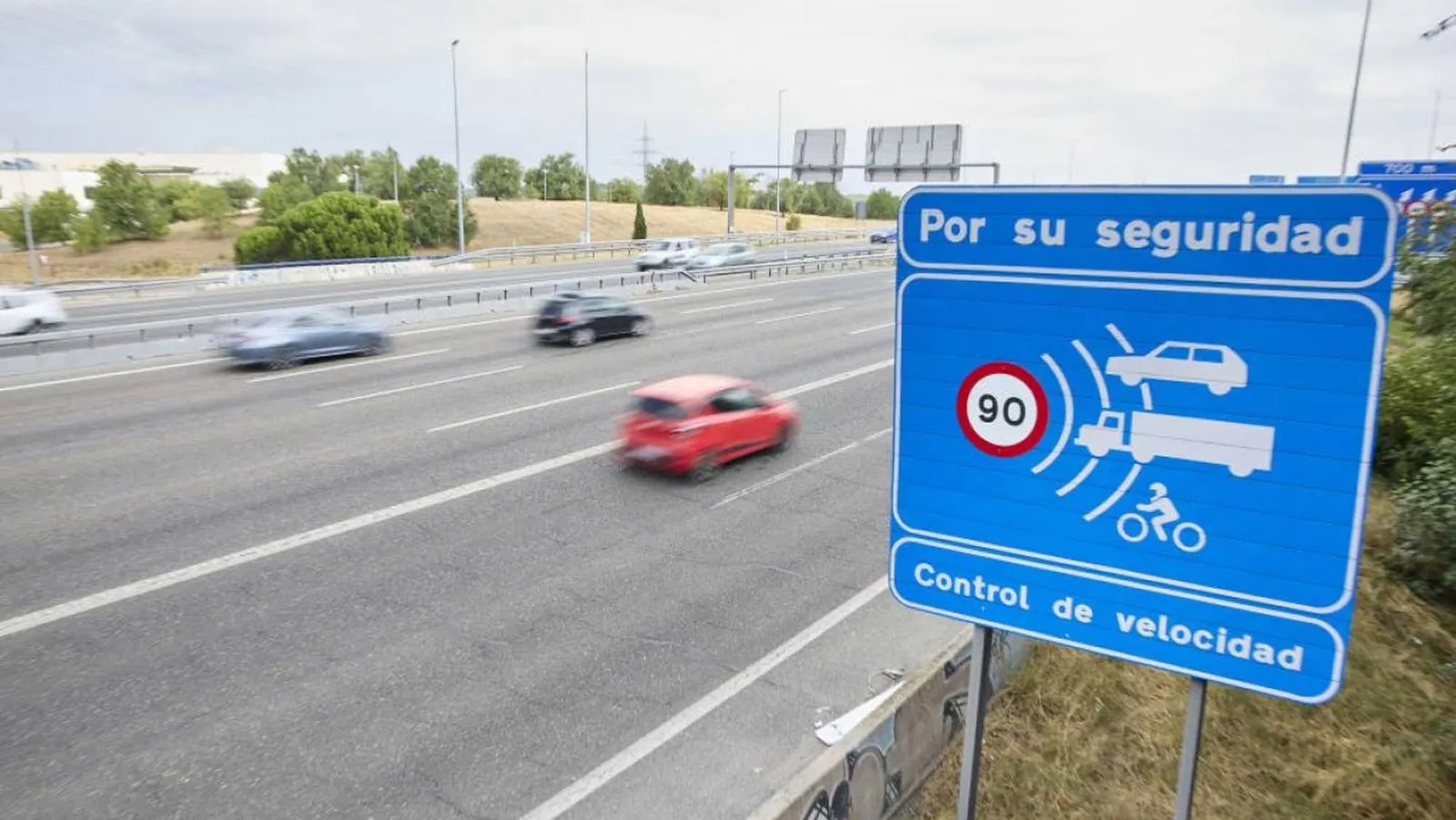
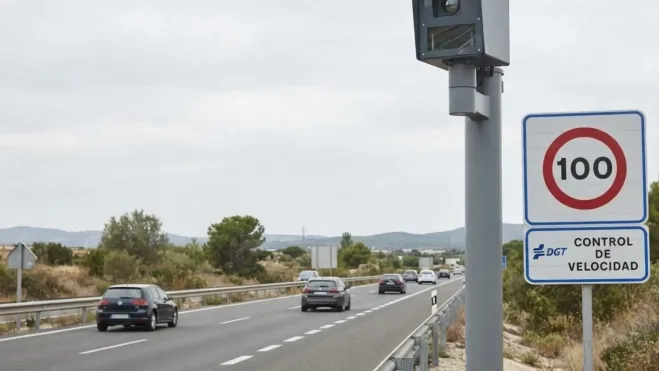
This radar, known as a 'overtaking detector,' is not only designed to detect vehicle speeds but can also identify illegal overtakes.
29/10/2026 10:30
Updated to
29/10/2026 10:30
Road radars have long since moved beyond focusing solely on speed control to also detecting other illegal behaviors such as using a mobile phone while driving or not wearing a seat belt. However, an new development is coming from Italy: a device known as a “sorpassometro” that allows monitoring of another particularly dangerous driving maneuver—illegal overtaking.
The system, identified as SV3, uses cameras and sensors to detect violations in sections where overtaking another vehicle could pose a high risk, especially on conventional roads with poor visibility or two-way traffic, where accidents are most common.
A radar that detects illegal overtaking
The device began operating in August 2025 in Acquappesa, a town in Calabria in southern Italy. Its installation addresses a common problem on two-lane roads, where some drivers cut into the opposite lane to overtake despite the presence of a solid line, poor visibility, or nearby vehicles.
The system can record a period of about 15 seconds around the violation, so that the images allow for seeing the overtaking and examining the circumstances in which it occurred, rather than relying solely on a single photo of the vehicle, which might not be sufficient to support a claim about the illegal maneuver.
The way it works is quite simple. The asphalt is equipped with sensors placed in areas marked by continuous lines that could be particularly dangerous if an illegal overtaking occurs. Once the sensors detect that the vehicle’s tires have crossed the continuous line, a camera is activated to record for 15 seconds, capturing the entire movement. Then, artificial intelligence determines the exact location of the section and identifies both the vehicle and its license plate. With all this information, a human verification process is carried out, followed by the imposition of a penalty.
Monitoring Potentially Dangerous Areas
The purpose of this type of device is to detect maneuvers that can be particularly dangerous when performed in areas with poor visibility, curves, changes in elevation, or sections where signage explicitly prohibits overtaking for these very reasons. In such situations, occupying the opposite lane forces vehicles coming from the opposite direction to brake suddenly or make evasive maneuvers, carrying the associated risks.
The uniqueness of the SV3 is that it is not as visible as speed radars, so its deterrent effect is greater. On secondary roads where the driver is unsure whether one exists or not, they may think twice before attempting an overtaking maneuver that could be potentially dangerous.
The use of this device is subject to authorization requirements, including intervention by the competent provincial authority, so its implementation depends on the country’s and region’s regulatory framework. So far, there are only records of its use in Italy, with no news of it potentially arriving in Spain. However, such control systems are often copied among European countries, and it is possible that the General Directorate of Traffic has taken note of it for potential introduction in the near future.
At present, the only similar detection technology available in our country are the radars that monitor whether cars cross the solid line, totaling four units located at the entrances to highways A-1, A-2, A-6, and A-42.