
This country removes a barrier to charging electric cars without a garage
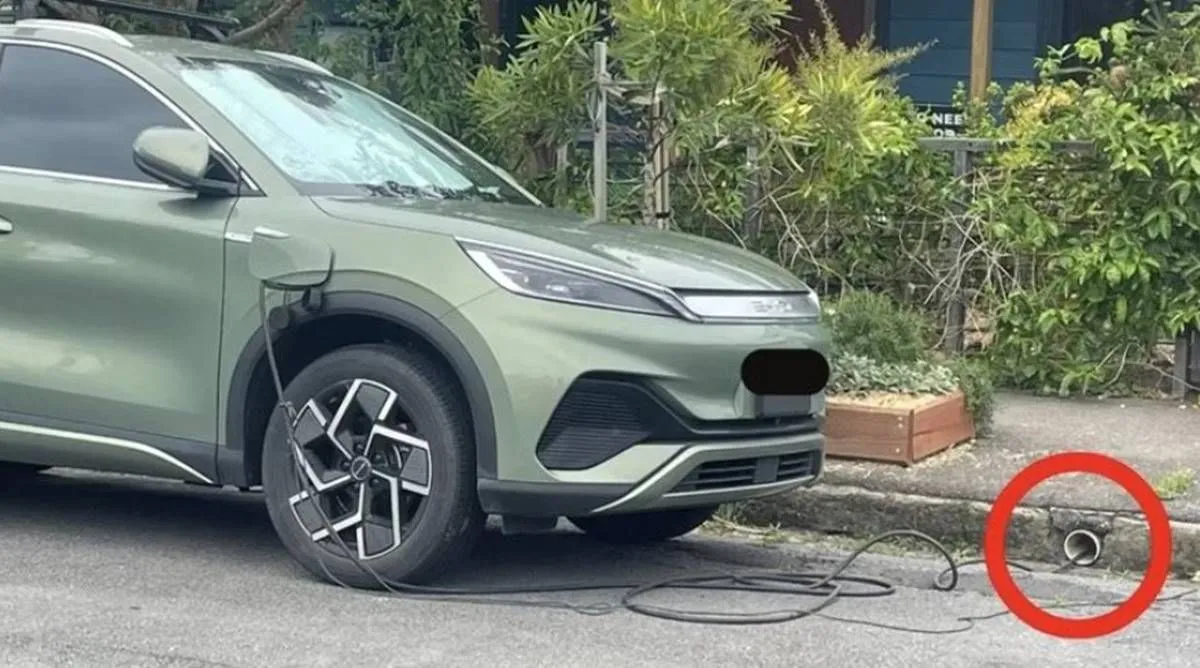
The removal of a zoning requirement will make it easier to install conduits to carry the cable from a home charger to a car parked on the street. This measure takes effect in England and aims to bring home charging options to those without a garage.
Having an electric car and a home without private parking remains a challenging combination. You might have the car just a few meters from the door and electricity at home, but there’s a sidewalk in between that you can’t turn into an obstacle course. Conduits provide a relatively simple solution to this issue, though their installation also depends on administrative procedures.
The UK government has decided to facilitate their installation by eliminating the need to apply for a specific planning permit in cases covered by the new regulations. This change takes effect on October 21 in England and advances an important goal: ensuring that access to home charging does not depend solely on having a garage or private driveway for parking.
Charging at home without leaving a cable on the sidewalk
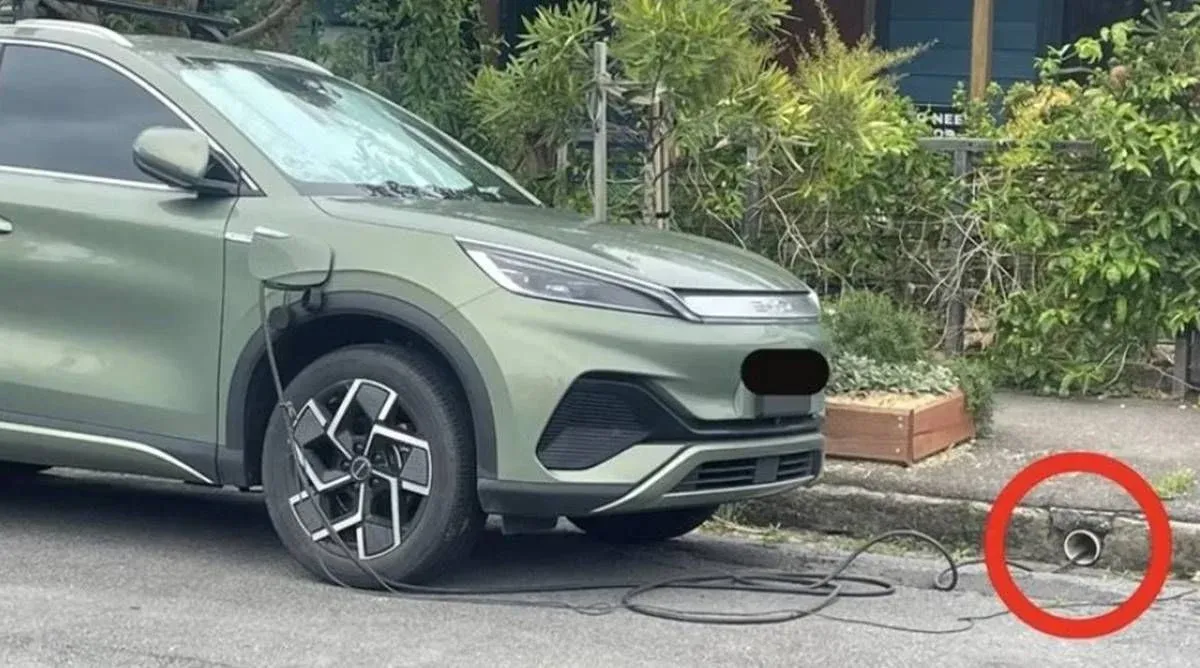
The mechanism isn’t too complicated. A channel is installed embedded in the pavement through which a cable runs from the home charger to the car parked by the curb. This allows the cable to pass under the sidewalk without lying loose on the surface and without posing a hazard to pedestrians, wheelchairs, or strollers.
The advantage for drivers is the ability to use their home’s electricity supply even when the car is parked outside. This enables them to take advantage of lower home rates and reduces reliance on public charging stations for daily use. It can be an interesting option for those who have a house by the road but lack space to park their car inside their property.
Now, removing the planning permission does not mean one can dig a ditch on their own. Installing a gutter still requires approval from the authorities responsible for public roads. Additionally, there are exceptions for areas under heritage protection, protected buildings, and monuments, so the simplification does not apply indiscriminately to every location.
The scale of the problem helps explain why this measure is necessary. According to data from RAC compiled by Autocar, more than nine million of the UK’s 27 million households do not have private parking outside their homes or the ability to create such parking. This represents a significant portion of the population for whom simply recommending the installation of a charger at home is far from sufficient.
It also affects purchasing intent. A 2025 survey conducted by EVA England among 1,668 drivers found that 60% of owners of gasoline and diesel cars without private parking would not consider buying an electric car. This percentage applies specifically to that group, but it illustrates how much the availability of charging facilities can influence decision-making.
Vicky Edmonds, head of the association, believes this change represents progress toward a more equitable transition. Her next request is directed at local authorities and property owners: to make it easier for these charging stations to be actually used. Removing one bureaucratic hurdle helps, although coordination regarding permits, construction, and access to chargers is still needed.
The UK government has also launched consultations to facilitate home charging and review the requirements for new buildings. Proposals include expanding the obligation to install chargers in new covered parking lots or those undergoing major renovations. This aspect is still under consideration and should not be confused with the simplifications that have just taken effect.
The driveway also does not solve where to park each night on its own. Its usefulness depends on being able to leave the car near the residence and on the street meeting appropriate conditions. But it addresses a very specific challenge through a relatively simple solution. For some drivers, the transition to electric vehicles can start with something as unassuming as a small improvement to the sidewalk.