
This KIA, under 30,000 € with a range of 625 km, has become Europe’s cleanest electric car according to Green NCAP
26/09/2026 11:15
Updated to
26/09/2026 11:15
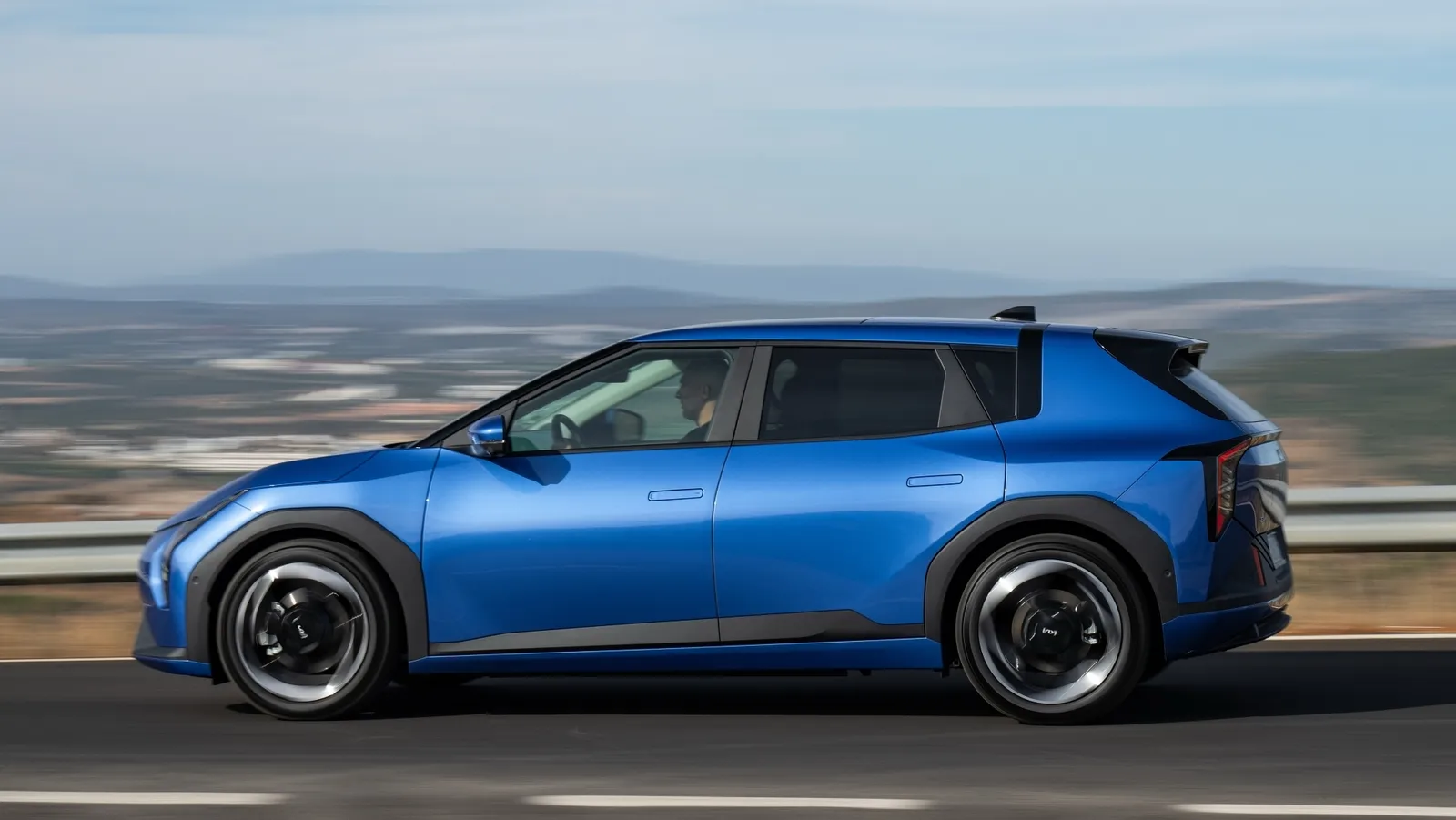
Purchasing an electric car no longer guarantees the best possible environmental rating on its own: everything depends on how each model is designed and manufactured. As usual, Green NCAP has just released a report showing the results of testing various electric, hybrid, gasoline, and diesel vehicles under its rigorous environmental impact assessment. The results identify a clear winner among electric cars: the KIA EV4 Earth with an 81.4 kWh battery, which achieved five stars and a score of 90%.
The result matters because this type of testing goes far beyond simple driving consumption: it also analyzes how the car is manufactured, where the energy it uses comes from, and how it performs in different weather conditions—factors that are not always included in a vehicle’s standard specifications sheet. The EV4 takes over from the Tesla Model 3, which was honored in previous editions as the most eco-friendly electric car on the Old Continent.
The EV4, recognized for its European manufacturing and efficiency
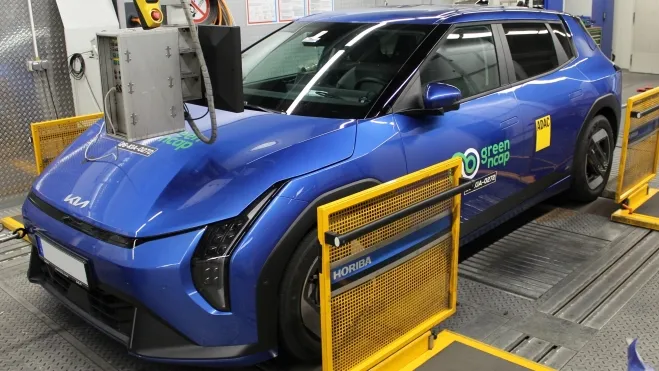
In the case of the KIA EV4, the evaluation took into account factors such as its manufacture in Slovakia, for which estimates specific to European production were applied. The calculated climate impact over the entire vehicle’s lifetime is 119 grams of CO2 equivalent per kilometer. Green NCAP also highlights its aerodynamic design, energy efficiency, and stable real-world range even in cold conditions.
The EV4 offers both manual and automatic battery pre-conditioning, designed specifically to optimize the charging process. During fast DC charging, the power output starts at up to 130 kW and decreases toward the end of the charging process to protect the battery. Additionally, it features bidirectional charging capability, a function that allows the car to be used as an energy source as well.
The Mazda 6e, hampered by its production and distribution
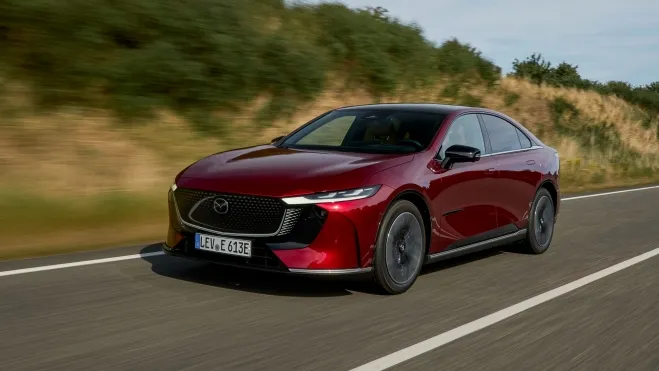
The all-electric Mazda 6e, produced in China through the Changan-Mazda joint venture using Changan’s EPA1 platform, achieved an overall score of 85%, earning four and a half stars. Its rating was limited precisely by the impacts of the vehicle’s production and distribution. Nevertheless, Green NCAP highlights its aerodynamic body design, efficient propulsion system, stable energy consumption across different temperatures, solid real-world range, and excellent cabin heating in cold conditions compared to other electric vehicles.
The Renault Symbioz hybrid, tested in extreme cold
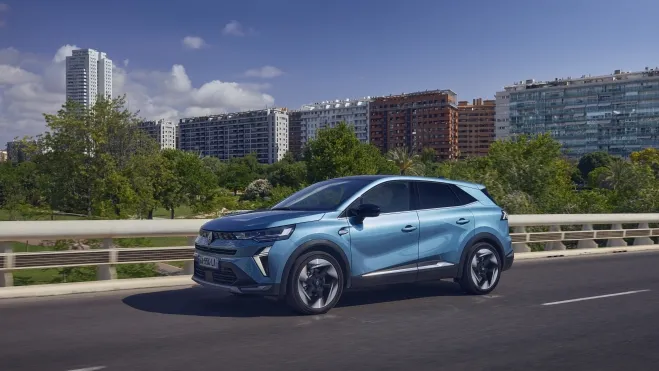
Among the hybrids, the Renault Symbioz E-Tech Full Hybrid 160 achieved three and a half stars, with an overall score of 64%. In the hot laboratory test, its fuel consumption was 4.2 l/100 km, while in cold start conditions at -7°C it rose to 7.4 l/100 km, and during fast highway driving it recorded 6.8 l/100 km. At sub-zero temperatures, the combustion engine in the hybrid system has to start frequently to generate heat inside the cabin, as the car lacks a high-voltage heater. It took up to 20 minutes to heat the cabin floor and rear area to 16°C.
There are also combustion engines, with mixed results
Among the purely internal combustion engine models, the gasoline-powered Renault Clio TCe 115 Techno achieved three and a half stars, with a score of 62%. The MG3 scored 51%, the Volkswagen Tiguan diesel got 48%, and the non-hybrid KIA K4 scored 46%.
Aleksandar Damyanov from Green NCAP summarized the results as follows: "While our latest assessments highlight the sustainability advantages that well-designed electric vehicles can offer, the Renault Clio TCe 115 Techno shows that manufacturers can also make significant improvements in affordable vehicles with internal combustion engines, which still account for a large portion of the current market."
Source: Green NCAP