
These are the reasons for the spectacular sales record in Europe: 1,900,000 of the cars sold are 100% electric, and one in every two is an electrified vehicle.
27/09/2026 12:00
Updated to
27/09/2026 12:00
The adoption of 100% electric and hybrid vehicles has not only accelerated but also reached record levels in registrations and market share within the European Union during 2025, according to Eurostat data. The combination of stricter European environmental regulations, technological advancements in propulsion systems, and more affordable commercial options has led consumers to gradually overcome their fears regarding electric vehicles.
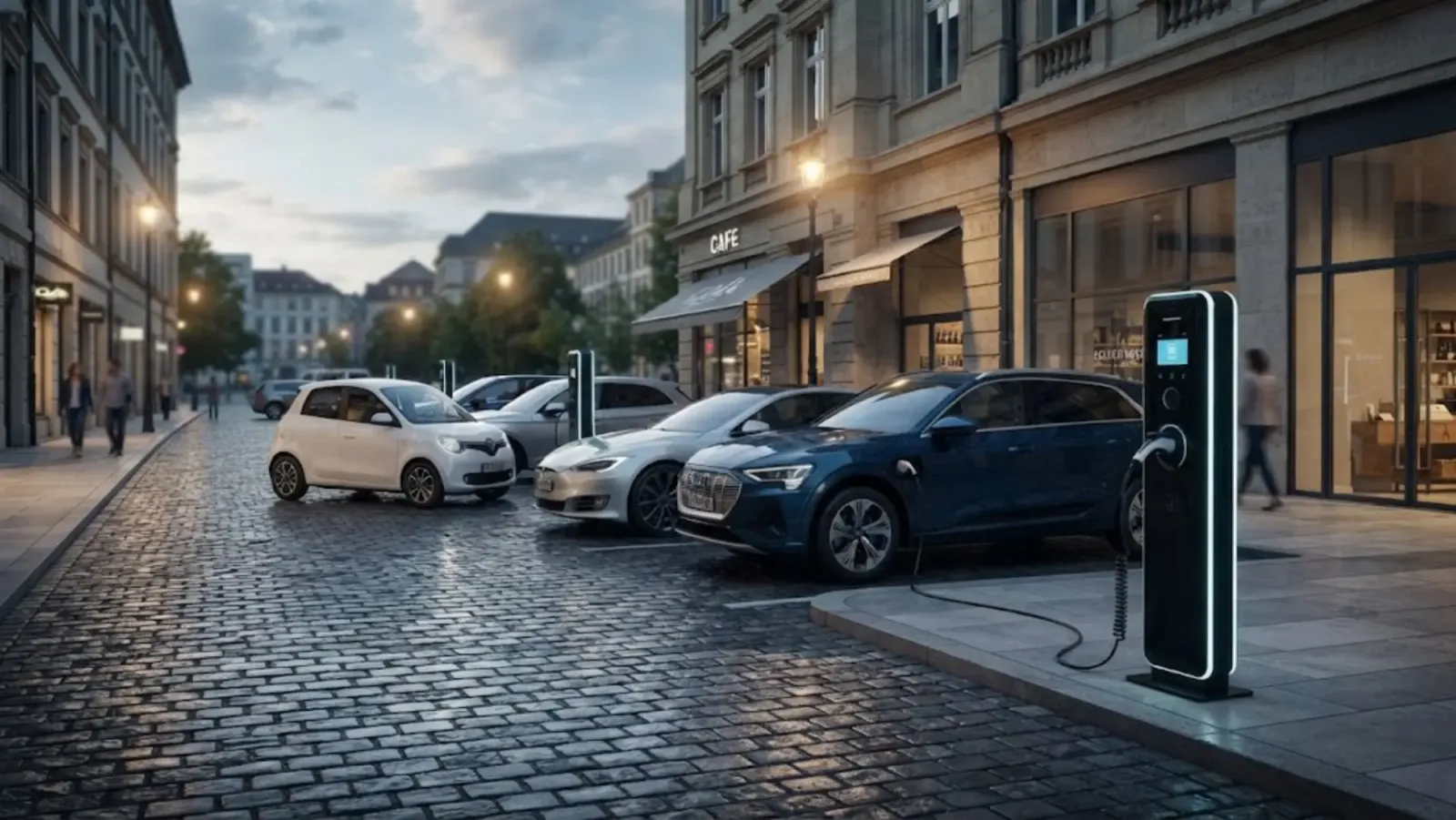
This historic growth places zero and low-emission technologies at the center of European drivers’ purchasing decisions. As the charging infrastructure network expands and battery costs are optimized, electric vehicles move beyond being a niche option to become the core of Europe’s vehicle fleet.
A milestone for electric vehicle registrations
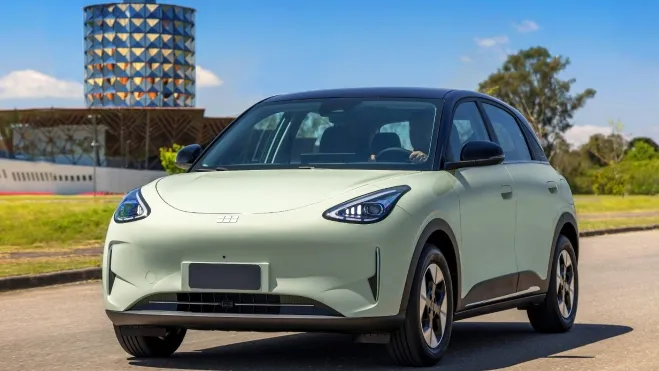
In 2025, registrations of battery electric cars reached an unprecedented market share in the European Union, accounting for nearly 17.4% of all passenger cars sold. In absolute terms, this means almost 1.9 million fully electric vehicles were registered in just one year, surpassing previous records and confirming sustained growth in the bloc’s key markets.
When considering all types together, including mild hybrids and plug-in hybrids, the overall share approaches 50% of total passenger car sales on the continent. Conventional hybrids remain the preferred transition option for millions of consumers, accounting for over a third of the market, while fully electric technology leads in year-over-year growth rates.
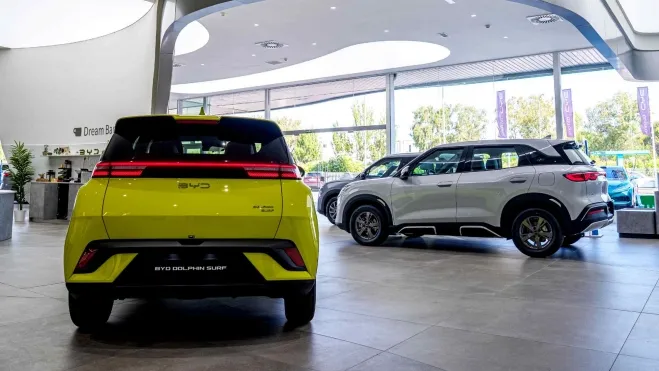
This record has had a direct impact on traditional internal combustion engines. The share of gasoline vehicles dropped to around 27%, while diesel accounted for only 9% of new registrations. The shift in buyers' interest toward electrified solutions now seems irreversible.
The key factors behind this market momentum
The shift in trend observed in 2025 stems from a combination of regulations, advancements in engineering, and gradual improvements in consumer habits. On the regulatory front, the targets set by the European Commission regarding average CO2 emission limits for manufacturers forced brands to accelerate the production and marketing of zero-emission models to avoid massive fines.
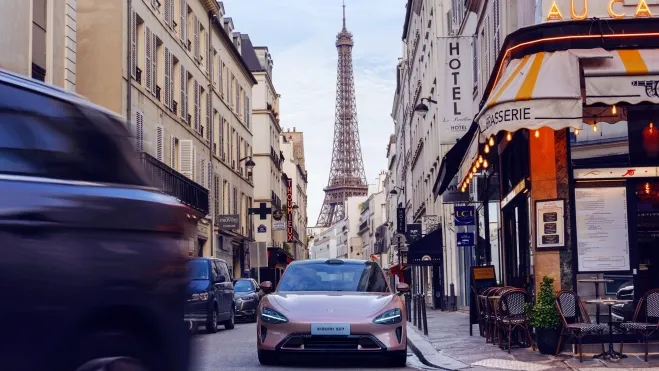
Techinally, the advent of new dedicated platforms has enabled the integration of 800-volt voltage architectures and more efficient and cost-effective battery chemistries, such as LFP cells. This has facilitated the introduction of B and C segment models with real-world ranges exceeding 400 kilometers and fast charging capabilities that can restore up to 80% of the battery’s energy in about 20 minutes, addressing many of the concerns related to long-distance travel.
On another hand, the diversification of offerings has played a crucial role. The entry of new brands and the response from traditional European manufacturers have increased competition, adjusted selling prices, and made electric technology accessible to demographics that previously avoided it due to cost considerations.
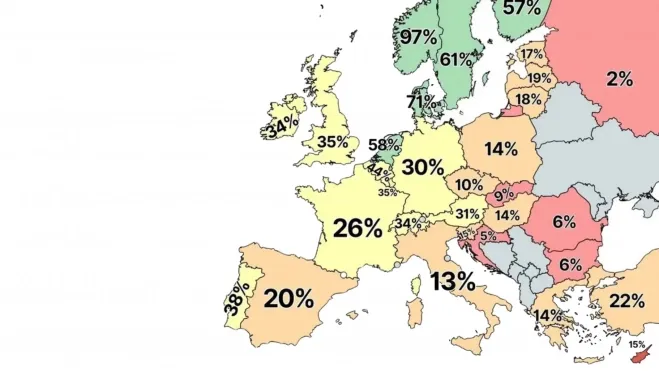
A gap between the north and the rest of the Union
Despite impressive overall figures, the pace of adoption of electric mobility shows significant differences across regions. Northern countries continue to lead the transition with extraordinary penetration rates. Norway tops the continent, with over 95% of sales consisting of 100% electric vehicles, followed by markets like Denmark and Sweden, where these figures far exceed the EU average.
In the heart of the continent, Germany has established itself as the largest market in terms of absolute sales volume, holding a market share for electric cars around 20%, closely followed by France and the United Kingdom. These countries have shown strong recovery thanks to stable incentive programs and the expansion of their fast-charging networks along major routes.
In contrast, markets in southern and eastern Europe show steady but more moderate growth. Although countries such as Spain, Portugal, and the Czech Republic have experienced significant increases in registrations, the market share of pure electric vehicles remains below average. This gap is primarily due to less developed high-power public charging infrastructure and an average income level that keeps the initial purchase price a decisive factor in purchasing decisions.