
These batteries have been running non-stop for 14 years and still have at least another 10 years of life left.
CATL has sought to test one of those claims we hear more and more frequently in the industry: modern batteries can last much longer than we think. To verify this, the company retrieved some of the cells that have been in use for over a decade at one of China’s most important energy storage facilities.
This is not a lab test conducted from day one, but rather batteries that have been subjected to real-world use for years, being continuously charged and discharged. And precisely because of this, the results are of particular interest to an industry seeking batteries with increasingly longer lifespans.
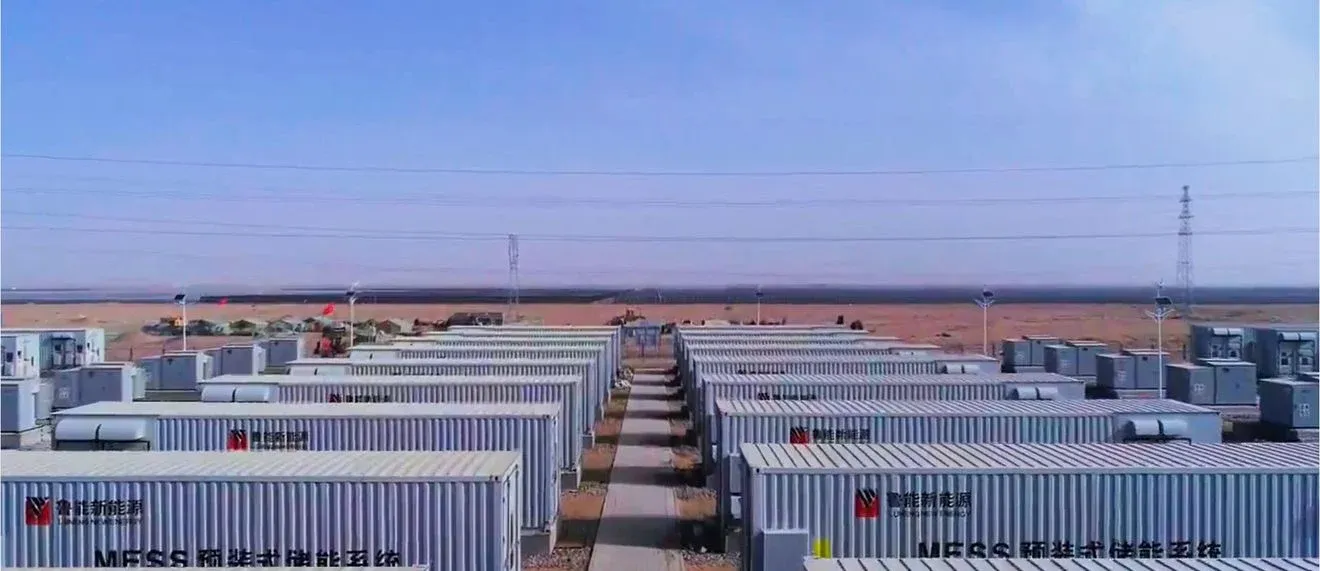
CATL has analyzed over 50 original LFP prismatic cells from the Zhangbei project, considered the first large-scale energy storage system based on lithium batteries. After nearly 14 years of operation, none of the cells had needed to be replaced.
14 years in service with plenty of life left
The Zhangbei project began operating in 2011 with a 63 MWh storage system designed to store electricity and then supply it back to the grid. The facility even provided power from renewable sources during the 2022 Beijing Winter Olympics and remained operational until June 2025.
Throughout that entire time, the batteries were subjected to continuous cycles of charging and discharging. It was not, therefore, a battery that had been stored for years, but rather a system that had been in use practically from day one. When the installation was finally removed, CATL recovered over 50 of the original LFP cells to check their condition.
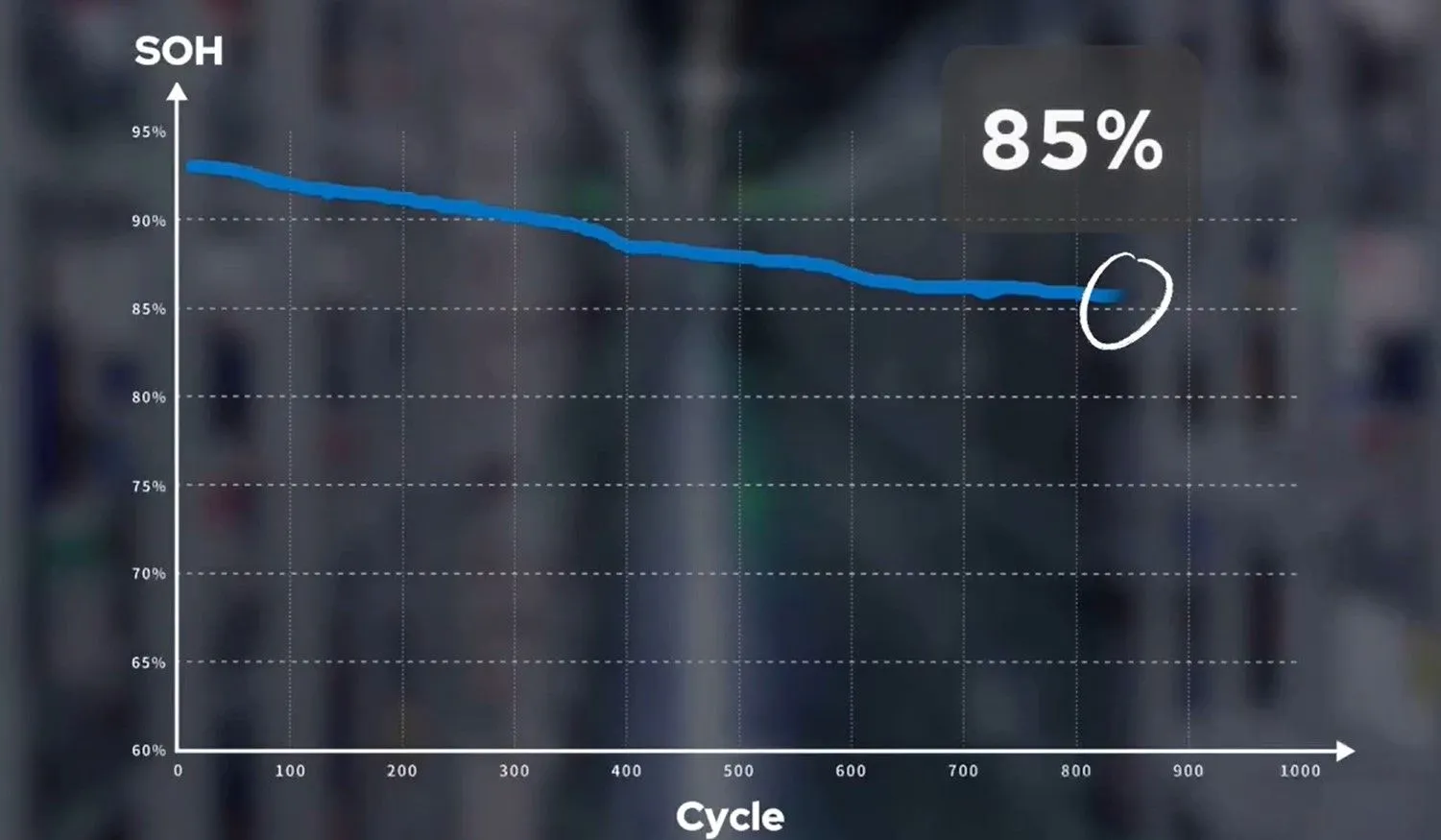
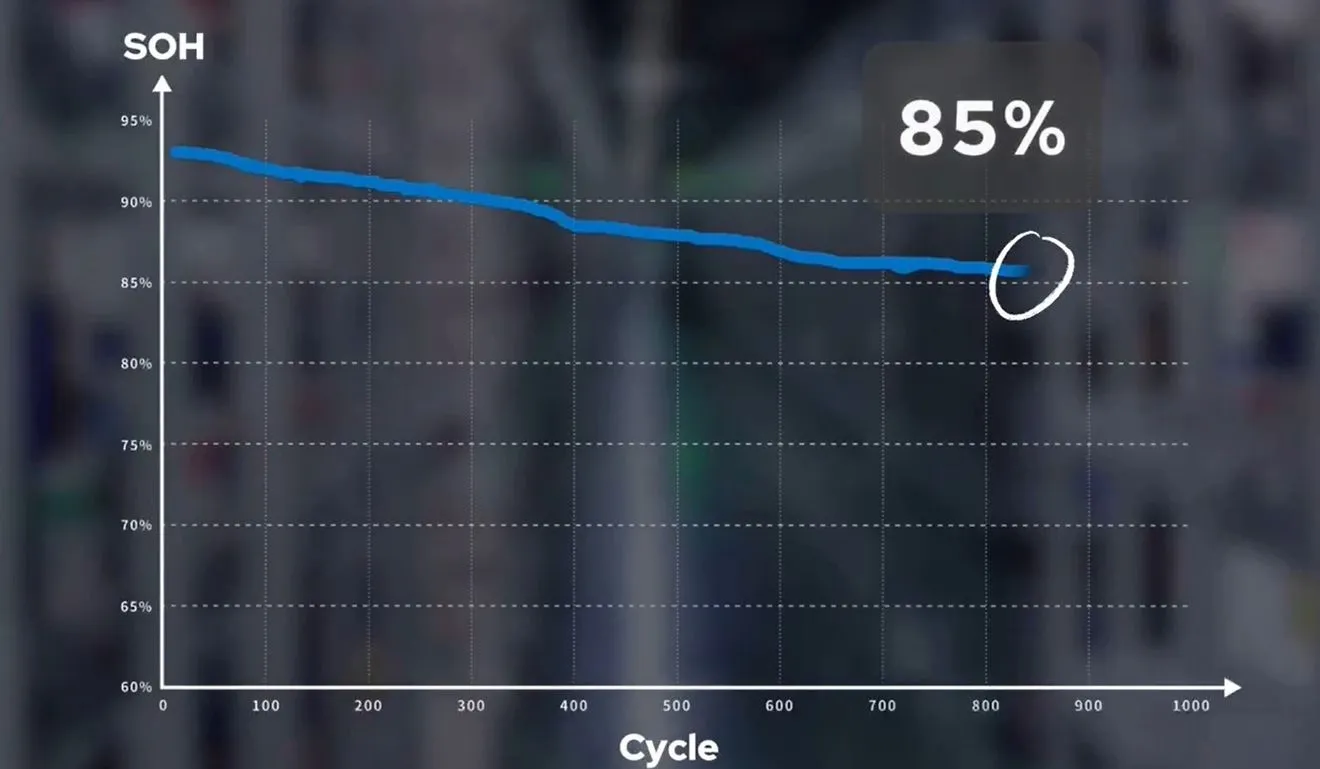
The results were particularly impressive. After almost 14 years, the cells retained approximately 85% of their original capacity. This figure suggests they could still serve for many more years, though in applications that are less demanding than those for which they were originally designed.
Initial analyses had already provided clues about their longevity. In 2020, nine years after they were put into use, CATL retrieved some samples from the Zhangbei system and found that they could still handle around 6,000 additional cycles. That test was an interim analysis, as the cells continued to function for several more years.
Once the project’s operational life ended in 2025, CATL’s engineers conducted a much more thorough analysis. In addition to measuring the remaining capacity, they examined the internal condition of the cells to determine whether time had caused significant damage to their components.
Another interesting finding emerged here. The internal electrodes still maintained a healthy structure, with the anodes and cathodes properly aligned, while the lithium intercalation process also remained in good condition. The analyses also revealed no obvious degradation of the graphite that could compromise its functionality.
CATL estimates that these cells, at approximately 85% of their original capacity, could still be used for another 10 years in less demanding storage systems, with around 1,000 additional charge and discharge cycles.
This figure is particularly significant considering that it relates to a technology developed over a decade ago. Current LFP batteries have advanced considerably since then, both in terms of energy density and in their management systems, manufacturing processes, and thermal control, so such results also help us understand how long a battery’s lifespan can be under appropriate conditions.
The LFP chemistry itself has certain characteristics that help explain these results. Compared to NMC batteries, LFPs offer lower energy density, but they exhibit good resistance to repeated charging and discharging cycles along with high stability. They also have lower manufacturing costs, which is one of the reasons why this chemistry is becoming increasingly common in electric vehicles.
This is especially important because LFP batteries are no longer limited to the Chinese market. They are appearing in more and more models sold in Europe and North America, including from manufacturers that traditionally favored NMC batteries.
The results of CATL’s tests do not mean that any battery will automatically last 24 years, nor that all cells will retain 85% of their capacity after 14 years. Degradation depends on factors such as temperature, cycle depth, charging and discharging power, or battery management.
But it does lead to an interesting conclusion: a battery can remain fully functional long after it is no longer suitable for its original application. In an energy storage system, this also opens the door to reusing cells that no longer offer the performance required for large-scale installations but still retain a significant portion of their capacity.
In the case of an electric car, this aspect can be even more important in the long term. A battery that is no longer suitable for maintaining the vehicle’s original range or performance may still retain sufficient capacity for other applications, from stationary storage to systems with lower requirements.
The evolution of batteries is therefore not only enabling longer ranges for electric cars or shorter charging times. It is also extending their useful life, which can far exceed that of the vehicle in which they are installed.
The Zhangbei case has an added advantage: it’s not an estimate based on accelerated simulation, but rather cells that have been handling real work since 2011, and when removed in 2025, they still retained a significant portion of their capacity.