
The United States prohibits BYD cars at one of its largest military bases for security reasons.
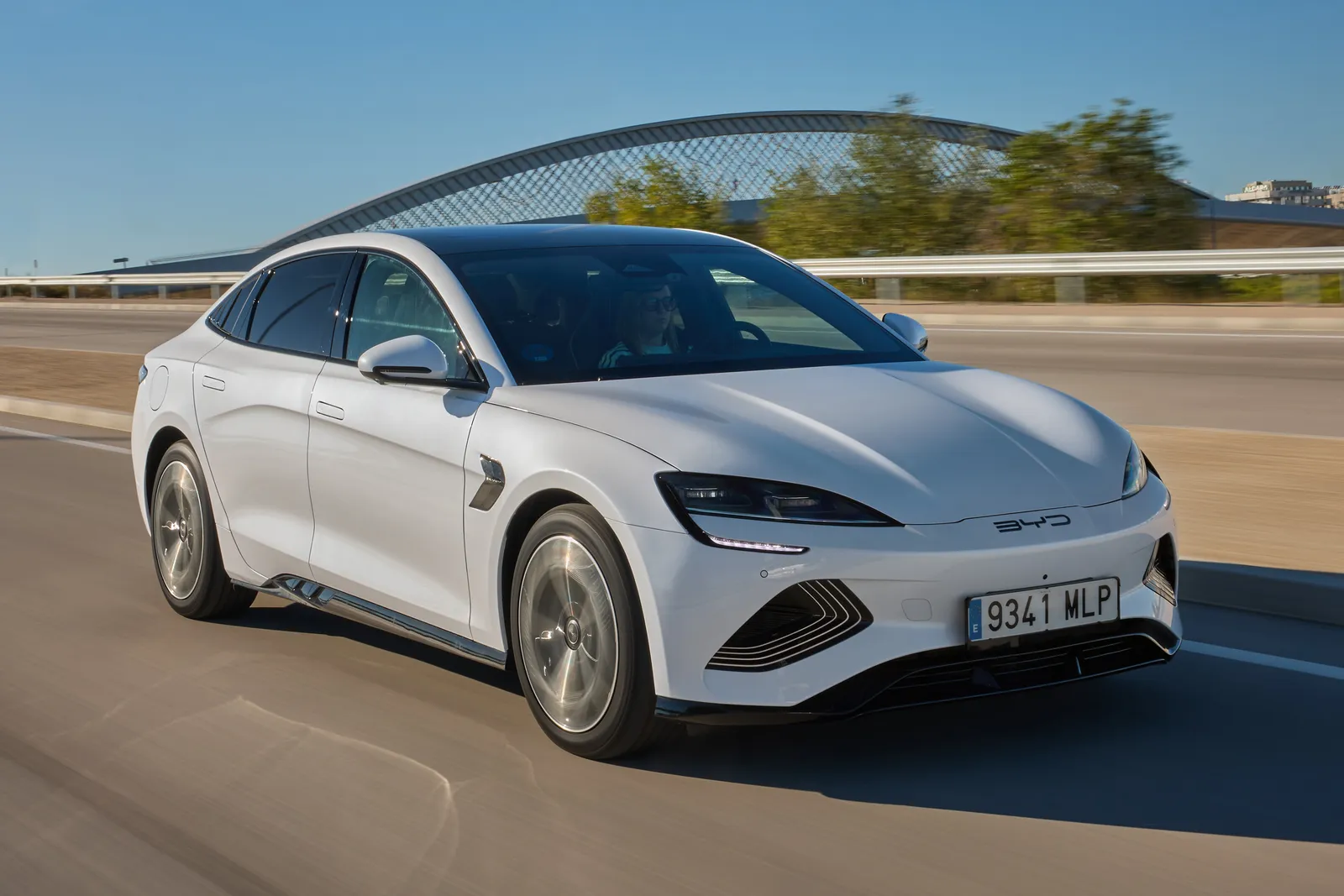
BYD’s international expansion has just encountered a new obstacle, this time related to military security. The United States has decided to ban Chinese-made vehicles from entering Kadena Air Base, located on Japan’s Okinawa island, due to concerns that its technology could pose a risk to military installations and operations.
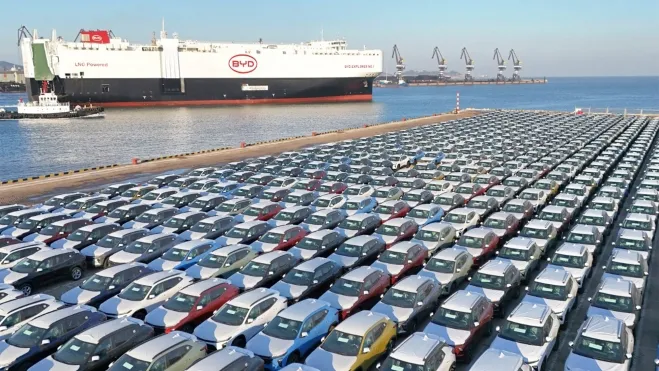
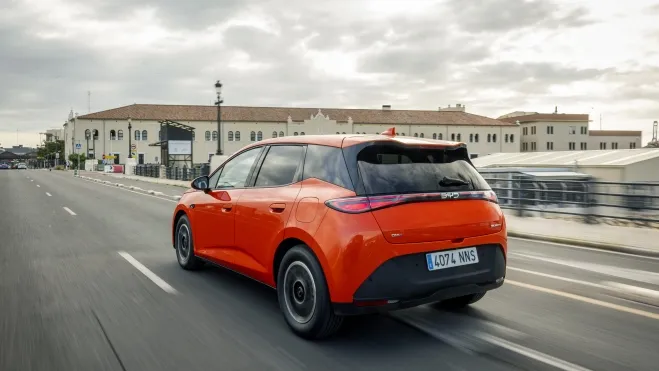
The decision, announced on Friday, October 23, will take effect next Monday and apply to all vehicles of the brand, regardless of who operates them. The ban covers everything from private cars used by base workers to taxis, commercial vehicles, and units used by contracting companies.
The move comes at a particularly sensitive time for BYD, which continues to expand its international presence amid rising trade and technological tensions between China and the United States. The manufacturer was already included this year on a Pentagon list of companies that, according to Washington, have ties to China’s military forces.
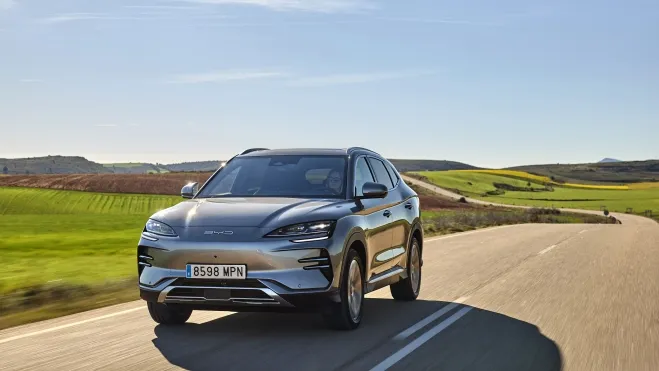
U.S. fears BYD vehicles may collect sensitive information
The ban affects Kadena Air Base, which is considered one of the most important U.S. military installations outside its homeland. Located in Okinawa, it plays a strategic role in deploying U.S. Air Force forces in the Pacific and in security operations conducted in East Asia.
According to Reuters, Alli Stormer, the base’s spokesperson, justified the decision with a particularly forceful statement: “These vehicles represent an unacceptable and impossible-to-mitigate risk to our personnel and our mission,” she said.
Although the spokesperson did not detail the specific technical reasons for the ban, South Korea’s Yonhap news agency, citing U.S. military officials stationed in Japan, states that one of the main concerns relates to the cameras and sensors built into vehicles.
Authorities fear that these devices could collect sensitive information about military installations, and that certain connectivity systems might allow such data to be transmitted abroad. This is a potential risk identified by U.S. officials, not evidence of espionage carried out by BYD.
The restriction will take effect on Monday, October 26. From that point onward, Kadena’s access controls will prevent affected vehicles from entering, whether they belong to individuals or are used for commercial or professional purposes.
BYD Was Already Under Pentagon Scrutiny
This decision is not isolated. Last June, the U.S. Department of Defense added BYD to its list of companies it considers linked to the Chinese military. Other technology firms such as Alibaba and Baidu, along with another automaker, NIO, were also included on that list.
BYD rejected that classification at the time and announced its intention to pursue administrative and legal avenues to defend its interests. Its inclusion on the list is based on an assessment by the U.S. government and does not, in itself, constitute proof of military collaboration.
This new veto coincides with the expansion strategy of the Chinese manufacturer, which surpassed Tesla in global sales of all-electric cars by 2025. Japan is also part of its business goals, with offerings designed to suit the characteristics of one of the most competitive automotive markets dominated by domestic brands.
This is not the first time a car has become the focus of a dispute related to national security. China also imposed restrictions on certain Tesla vehicles in government facilities in 2021 due to concerns over their cameras and potential data collection. Those restrictions were lifted in 2024 after the American brand received support from a major Chinese automotive industry association.
For now, the U.S. ban is confirmed for the Kadena base. Some South Korean media suggest it might extend to other military installations in Asia, though there is no official decision that confirms this scenario.
This episode illustrates how the increasing digitalization of cars has introduced new concerns in the field of safety. Cameras, sensors, Internet connections, and remote update systems, designed to enhance vehicle functions, are also entering the discussion about protecting strategic installations.