
This renowned brand of electric bike motors is joining the race to surpass Bosch by increasing torque and adding new features.
20/09/2026 12:00
Updated to
20/09/2026 12:00
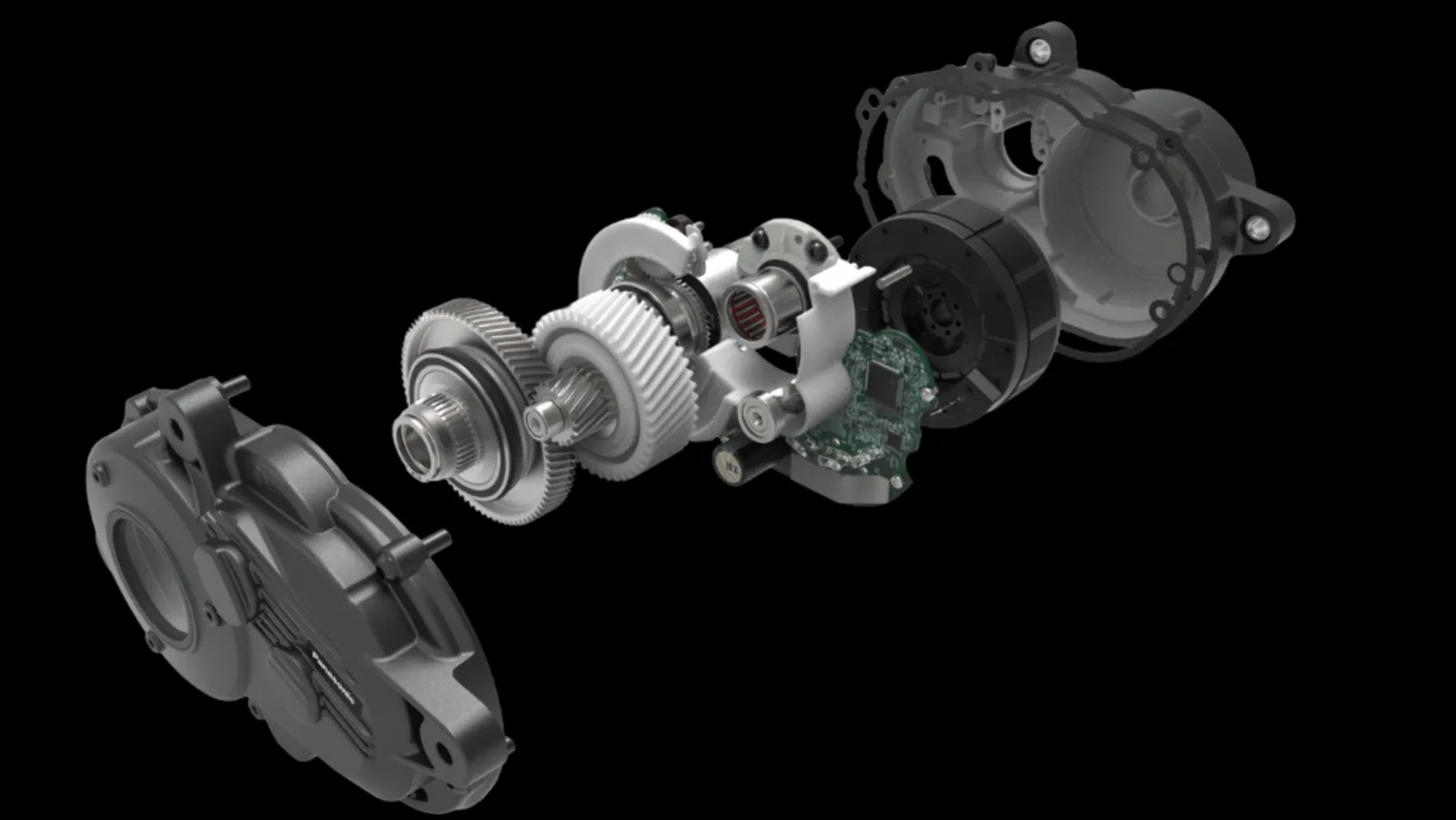
Panasonic is a brand that most of us are familiar with, but one we don’t often associate with cycling: we won’t go into its entire history, but we can say that it was in 1980 when it launched its first electric bicycle.... Yes, Panasonic has produced bicycles (and continues to do so for other markets), though currently, for Europe, it focuses more on providing motor systems for other brands to install in their bikes.
We discussed Panasonic’s GXM series almost a year ago—it is the most advanced line from this Osaka-based brand, offering quite impressive power figures at the time, but those numbers now seem a bit insufficient after all this time.
The most exclusive of the three engines, the GXM 100 Mg (Magnesium), had a maximum torque of only 100 Nm—insufficient by the standards set just a year later. Moreover, this engine was designed purely for performance, intended for high-end ‘sports’ mountain bikes: its exclusive magnesium casing allowed it to achieve a total weight of 2.6 kg, on par with the Avinox M2 and M2S and lower than that of the Bosch Performance Line CX.
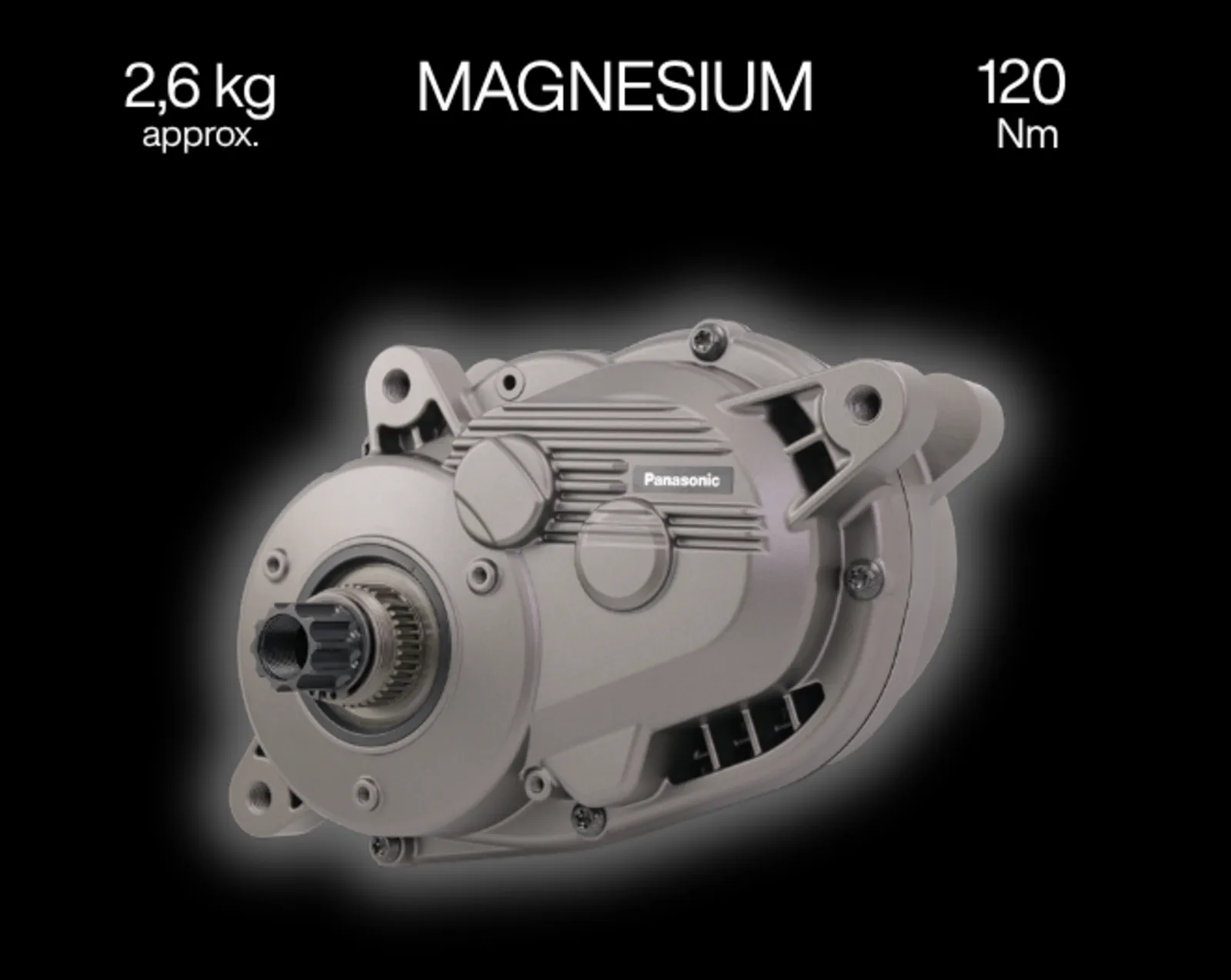
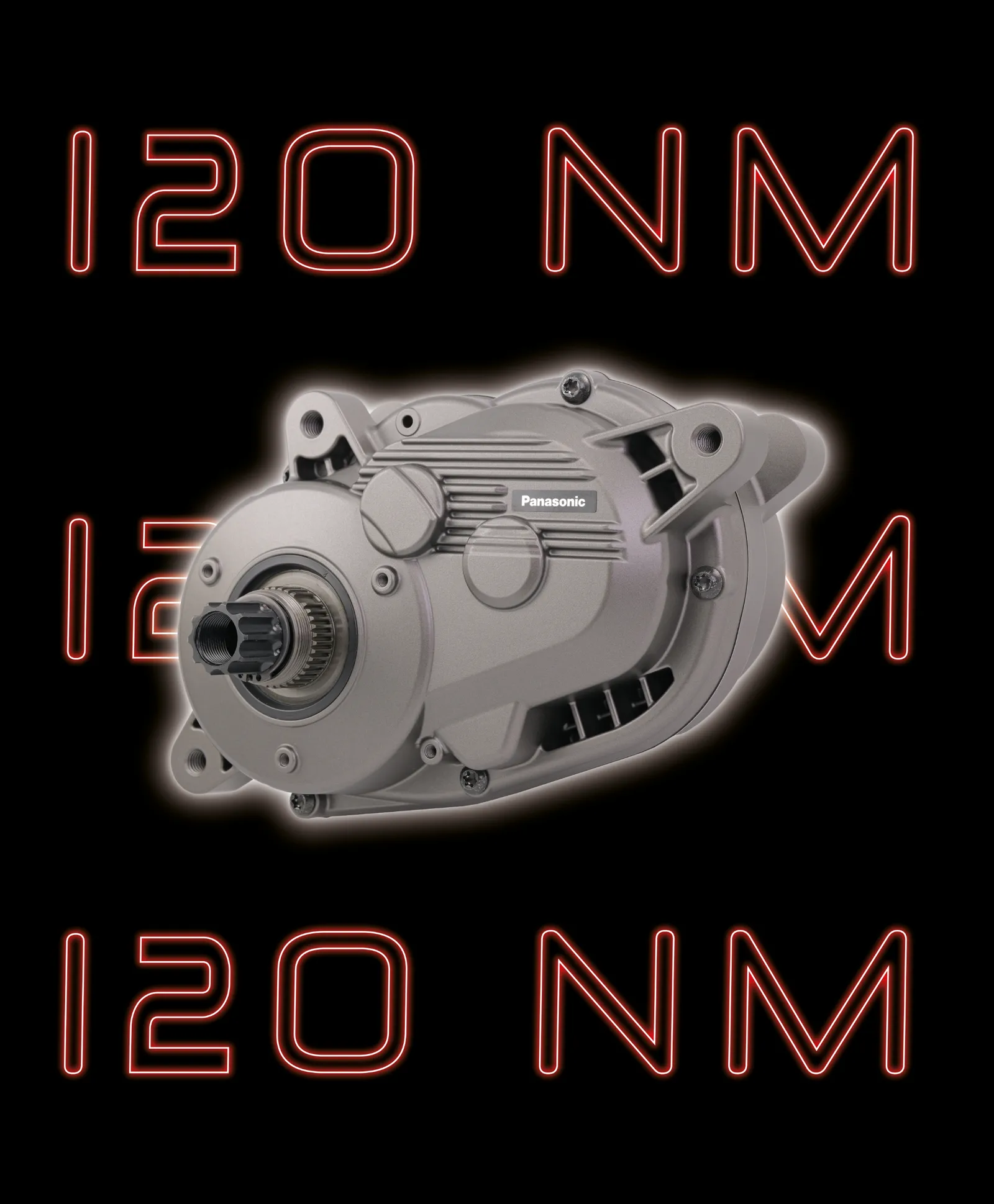
Well, that GXM 100 Mg has evolved into the new GXM 120 Mg: yes, the torque output increases to 120 Nm, putting it on par with the Performance Line CX and Avinox M2, and surpassing competitors like the Mahle M40 or Yamaha PW-X4. A few days ago we published an article ranking the most powerful motors for electric bikes, and Panasonic’s model could have been included in that list—although the brand hasn’t disclosed the maximum power figure, consistently referring only to a nominal value of 250 W.
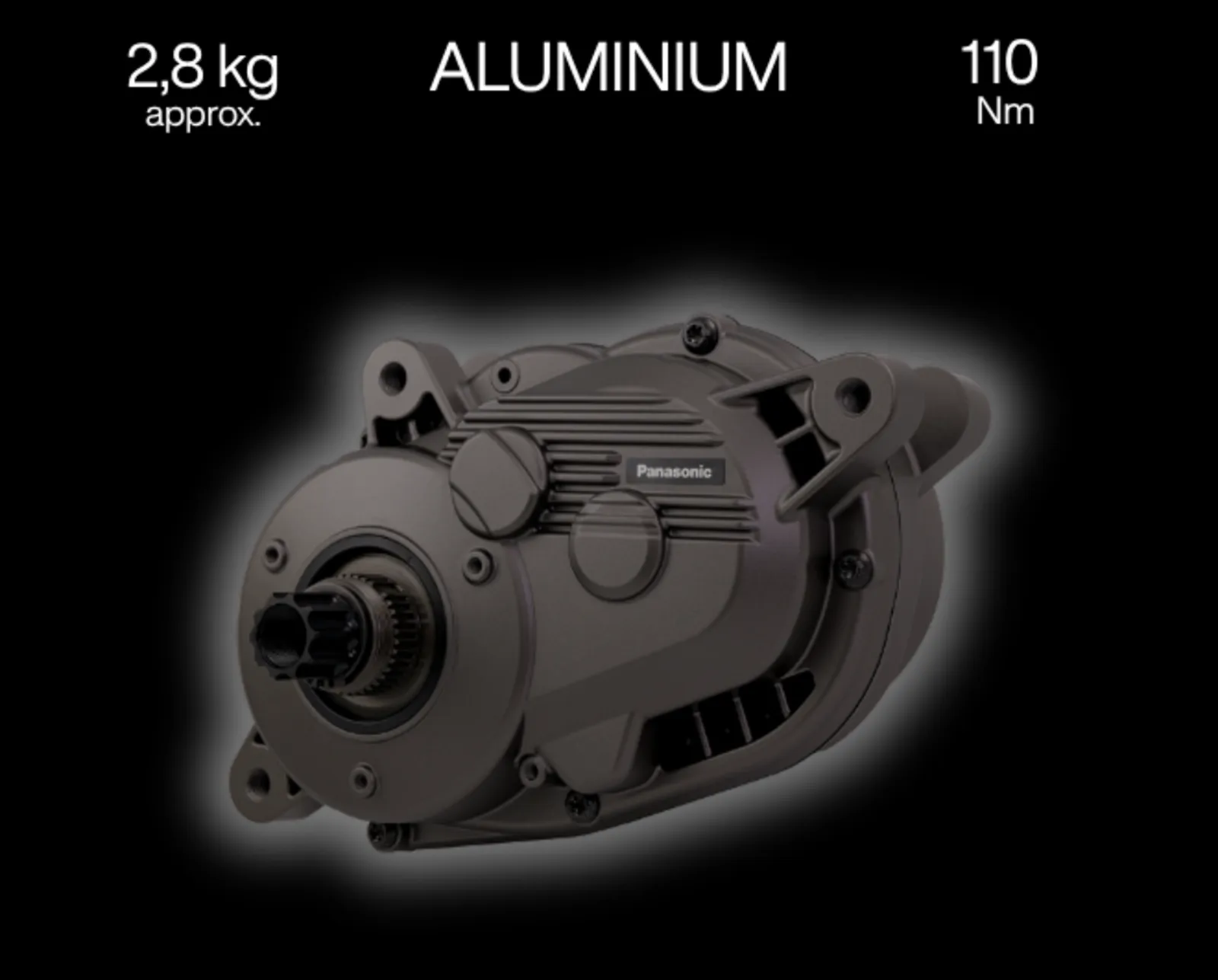
On the other hand, the previous GXM 95, which had an aluminum frame (raising its weight to 2.8 kg), sees its torque increase from 95 to 110 Nm (now known as the GXM 110), another notable improvement. This engine remains highly performance-oriented, targeting eMtb bikes while also extending its range to eCargo bikes and touring bicycles.
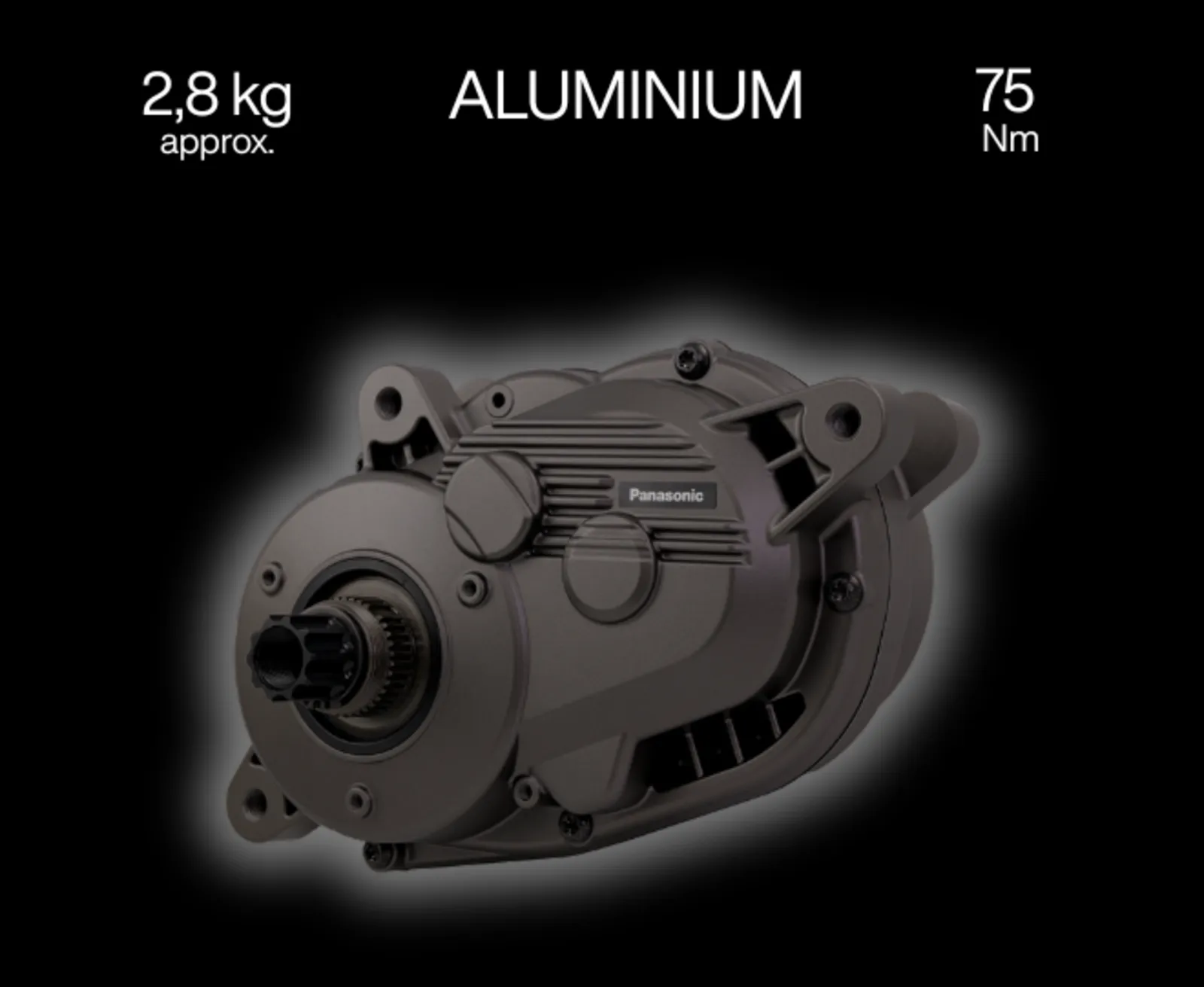
Finally, the GXM 75 (75 Nm) remains unchanged: manufacturers deemed it unnecessary to upgrade it as they believed it was sufficient for urban use. Across all models, Panasonic highlights the Auto power mode, which adjusts the delivered power based on various parameters to eliminate the need for frequent switching between modes.

Saying that the existing GXM models will receive a software update in November to match the power output of the new engines sounds fantastic—we’re impressed that Panasonic thought of this. As we mentioned before, Panasonic’s app allows us to get wireless software and firmware updates as well as remote diagnostics via smartphone (according to Panasonic, this reduces the need to visit a repair shop).
In short, this update ensures that these engines, launched less than a year ago, can remain at the top of their class. With Avinox’s entry into the market, the engine sector is highly competitive. For more information: Panasonic GXM