
This small “nuclear battery” is designed to generate electricity for years, and in 2027 it will face its most important test.
Nuclear energy has been striving for years to reduce the size and complexity of its facilities so that electricity generation can be brought to where it is needed. Compared to large power plants, microreactors offer a different approach with more compact systems designed to be manufactured and transported more easily.
Now, an American company has taken another step in this direction. Deployable Energy has been chosen to test its Nuclear Unity Battery reactor at a facility at the Idaho National Laboratory in the United States, with trials scheduled for 2027. This will be a particularly important test because it will allow verification of the system’s operation at full capacity and gather data for potential commercial development.
The Houston-based company has named its technology Nuclear Unity Battery, though the name may be misleading. It is not a conventional battery capable of storing electricity, but rather a portable nuclear microreactor designed to generate power continuously. Their approach involves manufacturing these systems as standardized products, rather than building a large-scale facility specific to each project.
This selection comes after Deployable Energy achieved criticality in its first demonstration reactor in Idaho on June 30. That test was conducted at zero power and served to verify the system’s initial behavior. The next step will be much more demanding: bringing the technology up to operational power and studying how it performs under real-world operating conditions.
A 1 MW reactor that fits within a much smaller concept
The Nuclear Unity Battery is designed to provide 1 MW of electrical power (1,000 kW) through a compact reactor that can be transported to the location where it will be used. Deployable Energy proposes using it in industrial applications, remote installations, critical infrastructure, and other sites where having a continuous power source could be particularly valuable.
The company claims its approach aims to rely on existing industrial materials and processes to facilitate repetitive manufacturing. Its strategy involves treating the reactor as a product that can be mass-produced, transported, and deployed wherever needed, rather than approaching each installation as a separate major engineering project.
But several obstacles remain before that goal is achieved. Permission to use the facilities at the Idaho National Laboratory is contingent on meeting various milestones related to technological preparation, fuel supply, and necessary permits. Additionally, the testing campaign itself will be funded by Deployable Energy.
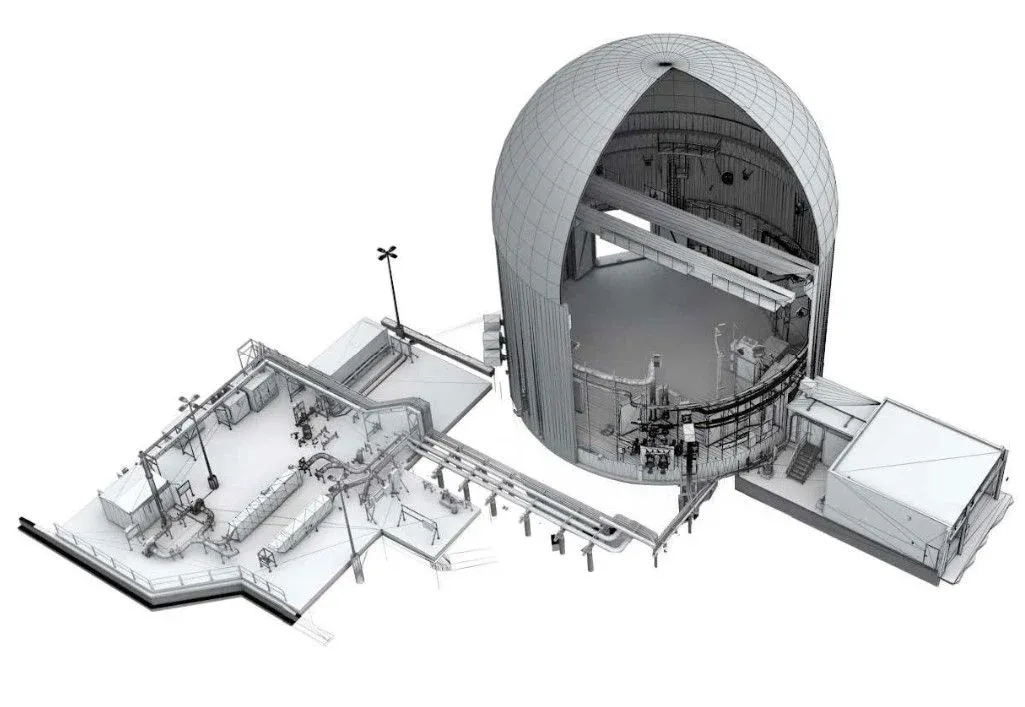
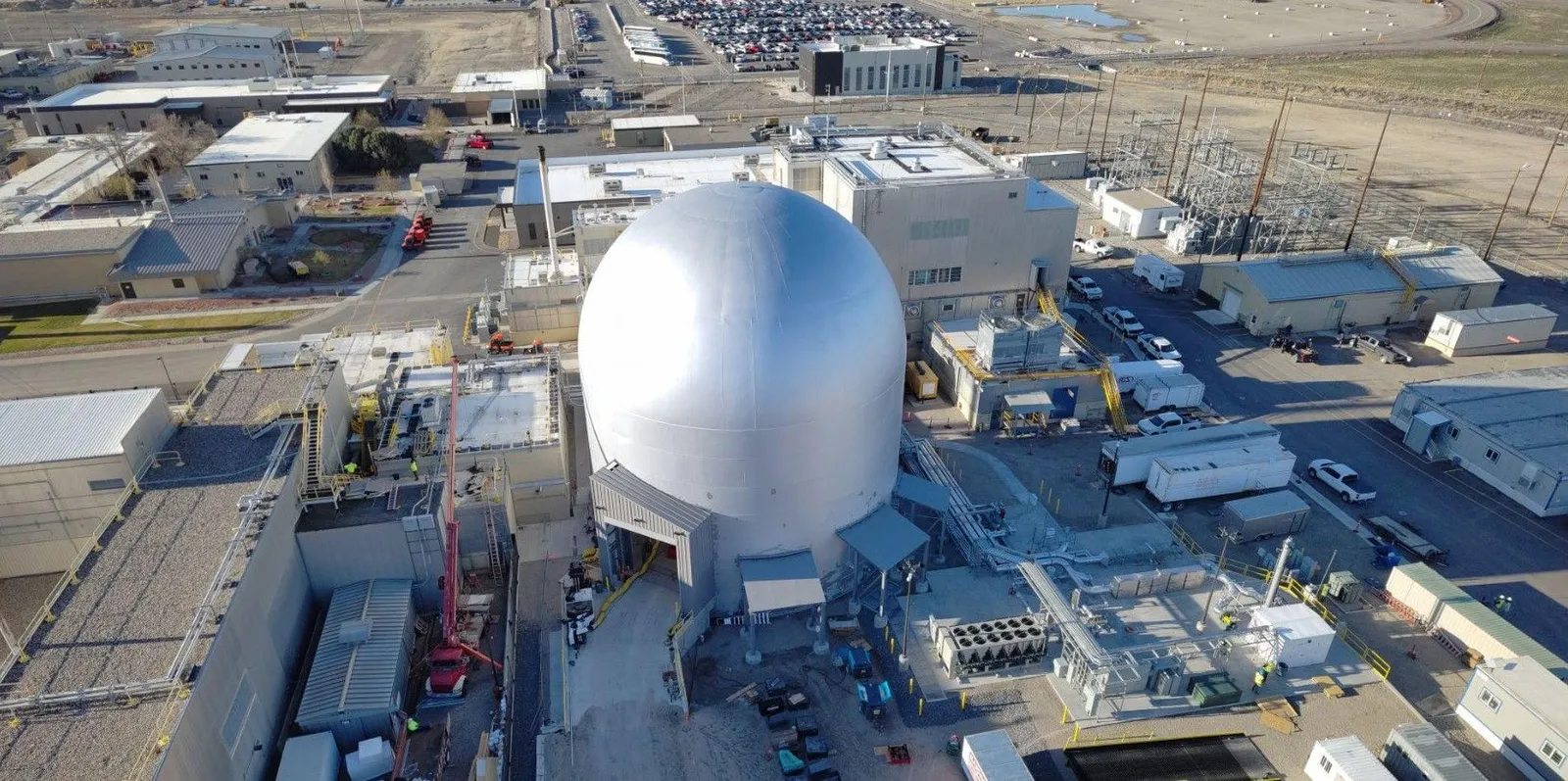
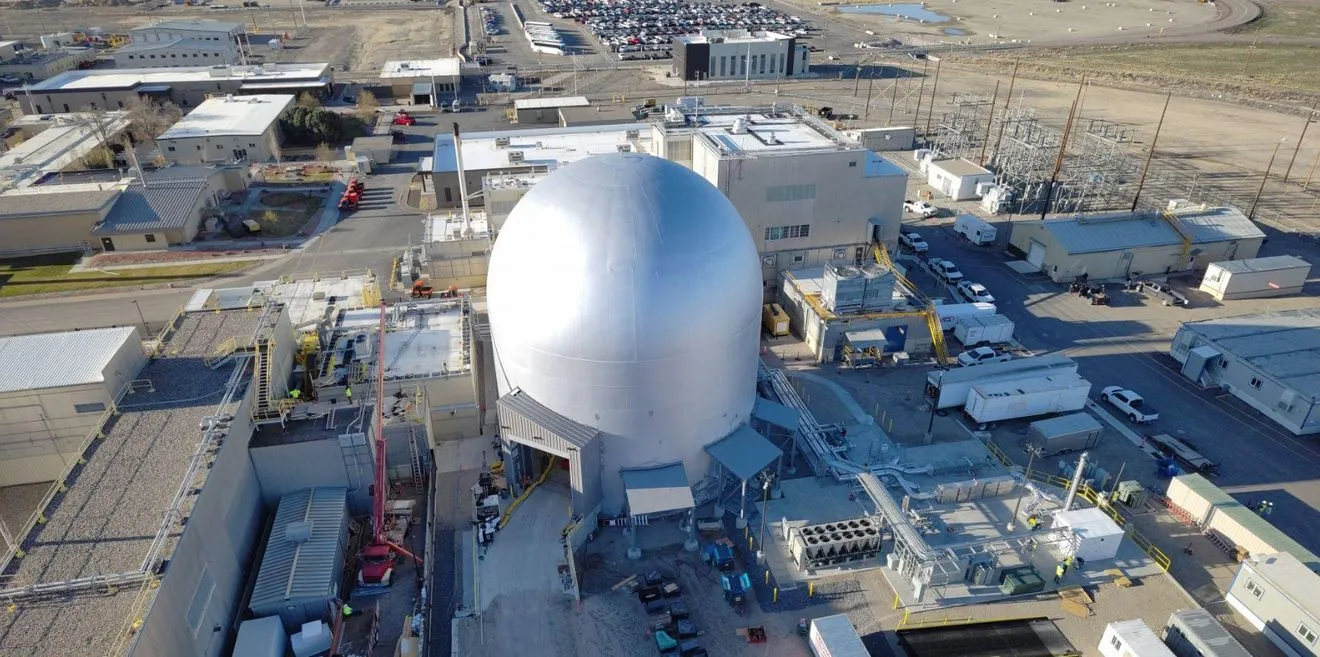
The site chosen for this test is also particularly interesting. DOME, short for Demonstration of Microreactor Experiments, is a facility designed specifically to allow private companies to test new microreactor designs under real conditions. It was opened in April 2026 and is ready to conduct experiments with reactors capable of generating up to 20 MW of thermal power.
The facility also makes use of existing infrastructure. Engineers reused the containment structure from the old Experimental Breeder Reactor-II, avoiding the need to build a facility of this type from scratch. DOME has a diameter of about 24.38 meters and a height of 30.48 meters, providing the safety barriers and monitoring systems required to conduct tests.
This reuse is one of the key aspects of the project. Building a nuclear testing facility from zero would be a lengthy and costly process, whereas DOME allows developers to focus on their own reactors while utilizing infrastructure already prepared for this type of experiments. The goal is to obtain the technical data needed to move forward with design, certification, and approval processes.
Deployable Energy will be the second company to use DOME to test a reactor, following Radiant, whose Kaleidos microreactor initiated this new phase of testing at the Idaho National Laboratory facility. The next experiment is scheduled to begin in July 2027, coinciding with Deployable Energy’s testing campaign.
This test does not mean that the Nuclear Unity Battery will start commercialization immediately. What is intended to be demonstrated during 2027 is that the reactor can operate at full capacity and that its various systems—ranging from controls to safety and operation—function as intended. The transition from a prototype that has shown criticality to a reactor ready for commercial deployment still requires passing additional tests and regulatory processes.
The importance of this type of projects lies in their attempt to change the usual scale of nuclear energy. Rather than relying solely on large power plants built over many years, microreactors aim to become systems manufactured industrially and then transported to their destination. If this technology succeeds in overcoming the remaining technical and regulatory hurdles, it could open up a new pathway for providing continuous power in locations where building a conventional plant is not feasible.
