
This Spanish company loses a major project in Australia worth 1.1 billion euros, capable of producing 900 MW and storing energy in batteries for 8 hours.
28/10/2026 14:30
Updated to
28/10/2026 14:30
Ferrovial has lost one of its major energy storage projects planned in Australia after Alinta Energy decided to abandon the development of the Oven Mountain pumped hydroelectric plant.
The infrastructure, valued at around 1.8 billion Australian dollars, equivalent to approximately 1.1 billion euros, was supposed to have a generation capacity of 900 megawatts (MW) and an energy storage capacity of 7,200 megawatt-hours (MWh), enough to produce electricity at full capacity for eight hours, but it will not come to fruition after all.
Economic Issues
Alinta Energy cited economic and scheduling problems affecting key aspects of the project, including a power transmission line necessary to connect the facility to the grid, as reasons for its withdrawal. The company stated that it made this decision after evaluating various alternatives and completing years of technical studies, planning, consultations with relevant parties, and development work. The final conclusion was that the project was no longer viable.
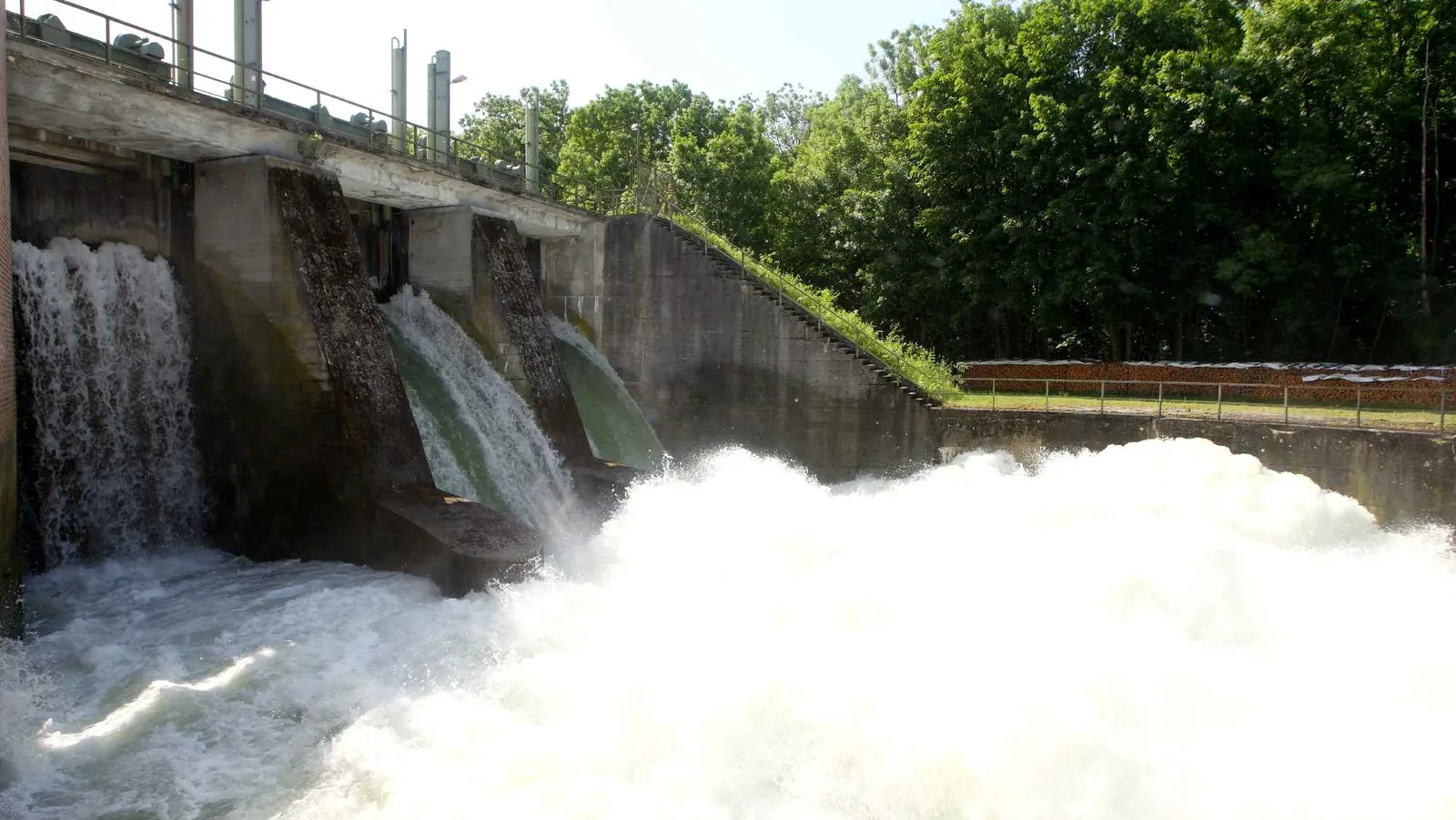
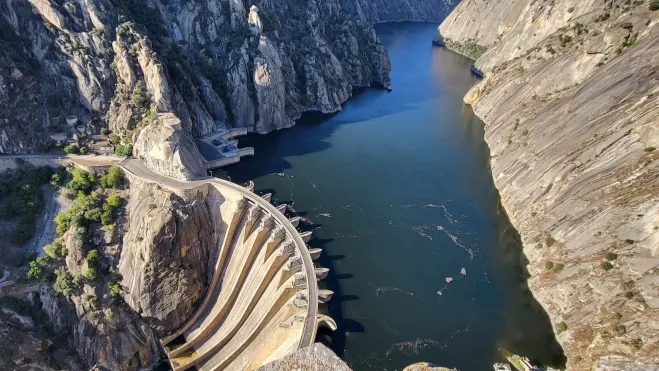
The Oven Mountain project was planned in New South Wales, an Australian state, in a mountainous area between Armidale and Kempsey. Its design called for the construction of two reservoirs at different heights, separated by a vertical difference of over 600 meters. It was intended to operate using a technology known as pumped hydro storage: when there was abundant and cheap electricity, the system would use that energy to lift water from the lower reservoir to the upper one, but when demand increased or renewable energy production declined, the water would flow down through turbines to generate electricity.
If built, the facility could have supplied up to 900 MW and stored 7,200 MWh—capacity equivalent to eight hours of continuous full-power generation, enough to power over 600,000 households—while reducing CO2 emissions by approximately 400,000 tons per year.
A project that began six years ago
The initiative was designated as a critical infrastructure for the state in 2020, reflecting its anticipated importance to the regional energy system, and Ferrovial joined the project in November 2024 through an early participation agreement with Alinta Energy, signed alongside Gamuda.
This type of contract allows construction firms to be involved from the early stages to advance design, assess constructability, and anticipate needs for materials, equipment, and labor. The collaboration leveraged Gamuda’s experience in tunnels and civil engineering, as well as Ferrovial Construction’s track record in hydroelectric infrastructure and dams. However, the agreement did not mean that all projects had already been awarded definitively, so the cancellation occurred before the project could even begin.
Specialized media such as Energy-Storage News point out that the abandonment of Oven Mountain is an example highlighting the economic difficulties faced by large-scale hydroelectric storage facilities. Although this technology allows energy to be stored for extended periods and provides a flexible response to demand, it requires significant civil engineering work, excavations, hydraulic pipelines, and electrical connections. The need to build infrastructure in mountainous areas far from major transportation routes can increase costs and complicate timelines, making it difficult to bring some projects to fruition.
This is compounded by the competition from battery systems, whose costs have dropped and whose projects can typically be deployed in a more modular and cost-effective manner. This development is one of the factors undermining the competitiveness of long-duration storage solutions, because although pumping technology still has advantages for supplying electricity for many hours, it must justify high investments in a market where cheaper alternatives are gaining popularity.