
Volvo EX60 Review: BMW iX3 and Mercedes GLC in the crosshairs without a hint of insecurity
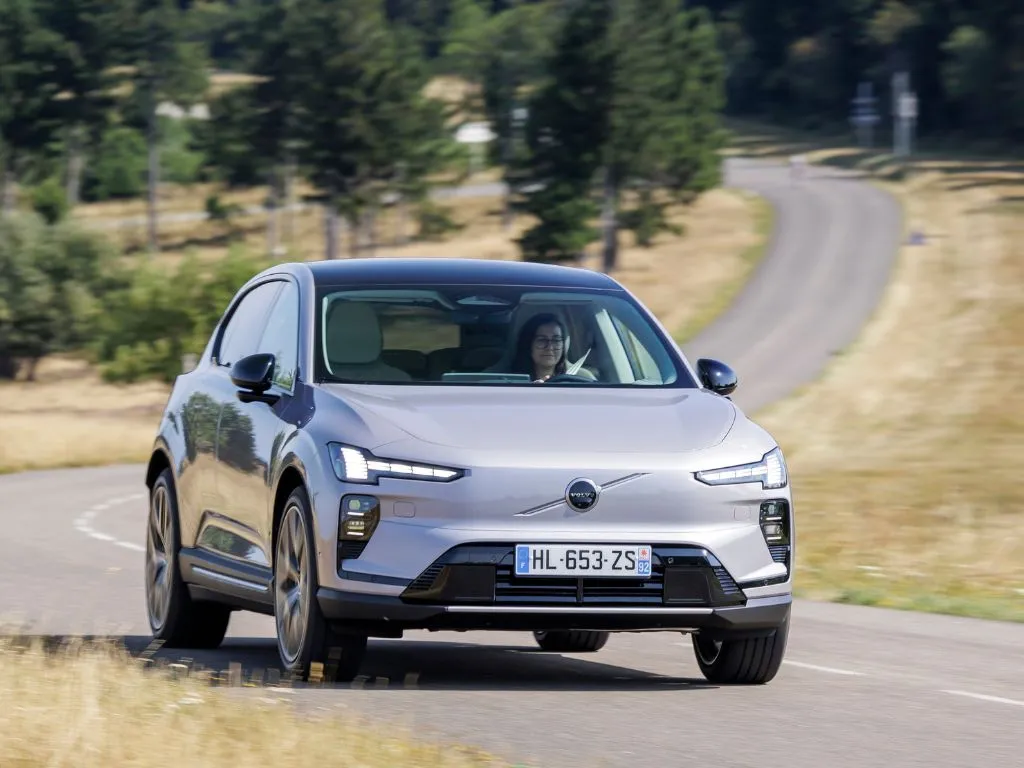
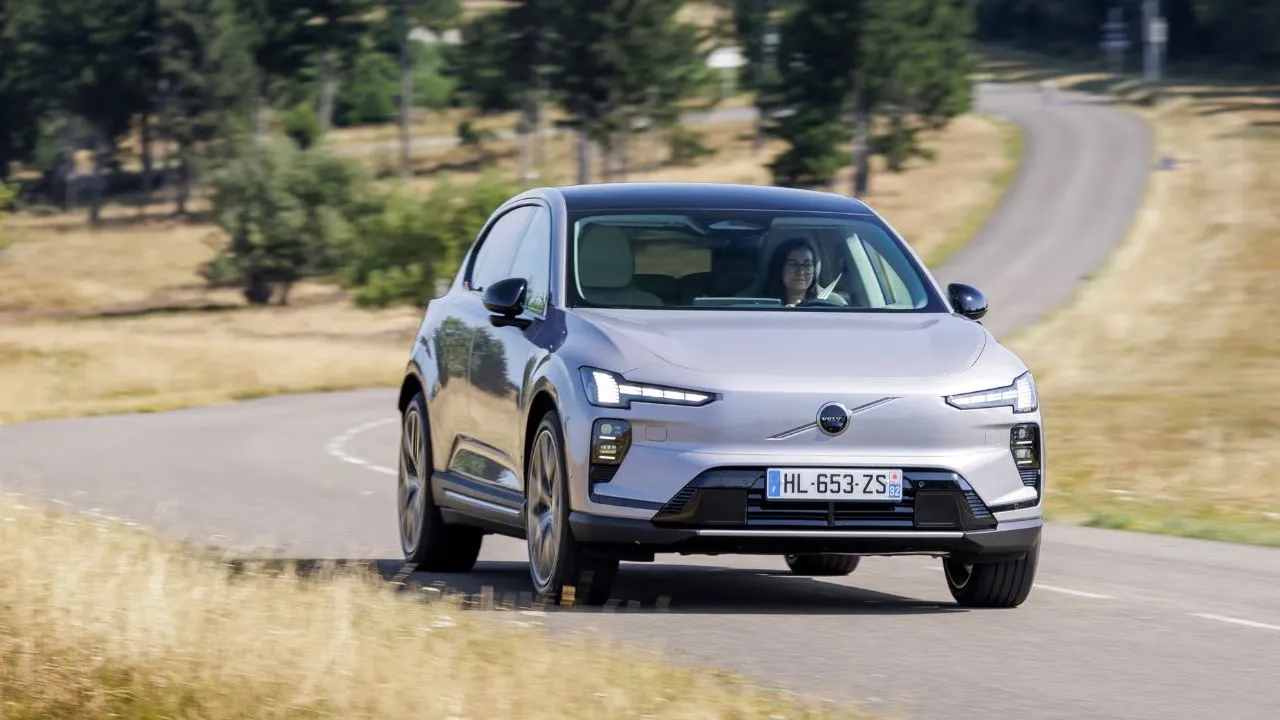
With 510 horsepower, a range of 660 kilometers, and a claimed 16-minute charge from 10% to 80%, the new Volvo EX60 P10 AWD boasts significant ambitions. We took advantage of its first test drive in Alsace to verify its promises, from the roads of the Vosges to German highways. And at the charging station, this Swedish electric SUV even performed better than expected.
Volvo France had the good taste of conducting the national tests for its brand-new EX60, made in Torslanda, in France’s most beautiful region, Alsace, so I couldn’t refuse the invitation. Yet it’s no easy task to extract all the essential insights from such a complex and capable vehicle in just a few hours. First and foremost, this is our first encounter with the entirely new SPA3 platform, which will soon be shared with the Polestar 7, and it brings together a considerable number of innovations for the Swedish brand:
The “Megacasting” manufacturing method involves injecting molten aluminum under high pressure into a mold, allowing large components to be created in one piece, such as the rear floor, which speeds up production.
Battery cells bonded “cell to body” for better integration, higher energy density, and improved battery protection in the event of an accident.
The HuginCore computing platform manages everything from safety to infotainment, featuring a central Nvidia Drive AGX ORIN computing unit and a Qualcomm Snapdragon central computer.
These three features alone result in a weight reduction of nearly 130 kg. However, regarding the first two points, one might logically question the additional cost of any necessary repairs or even their feasibility.
In terms of the powertrain, the EX60 features an 800 V system with NMC batteries and is available in three variants: the P6 propulsion version with 374 horsepower and 80 kWh of battery capacity, the P10 AWD model with 510 horsepower and 91 kWh, and the P12 AWD version that delivers up to 680 horsepower and 112 kWh. Our test model is the mid-tier version, which already boasts impressive performance with a WLTP range of 660 km and a claimed maximum DC charging speed of 370 kW.
Also read
Volvo EX40 and EC40: A refresh for the two Swedish electric SUVs, here’s what changes
Checking this final figure is the first task to complete, which requires draining the battery to 98% first. For those living in Strasbourg, this is straightforward: simply cross the Rhine and get on the first autobahn available. With 510 horsepower and, oddly enough, only 2,350 kg in weight for an electric SUV measuring 4.80 meters with such a large battery capacity, the speed limit acts like a wall at 180 km/h, as it completely stops the strong acceleration, which starts from 0 to 100 km/h in 4.6 seconds.
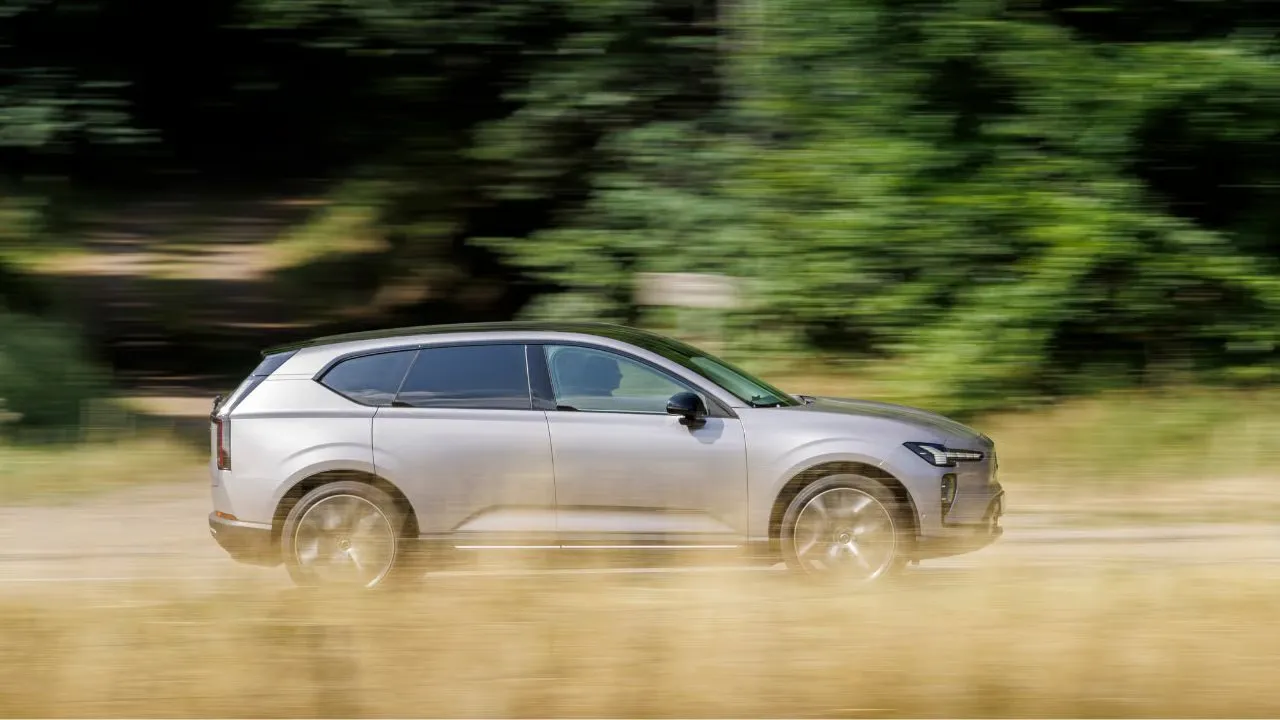
The faster you can go, the slower you need to: maintaining a speed of 50 km/h above France’s legal limit for dozens of kilometers confirms once and for all the EX60’s exceptional handling, the outstanding comfort provided by its standard active chassis, and most importantly, its superb sound insulation that completely eliminates wind and rolling noise. Be sure to keep an eye on the rearview mirror, though: 100 km from Stuttgart, we’re still far from being the biggest fish in this pond.
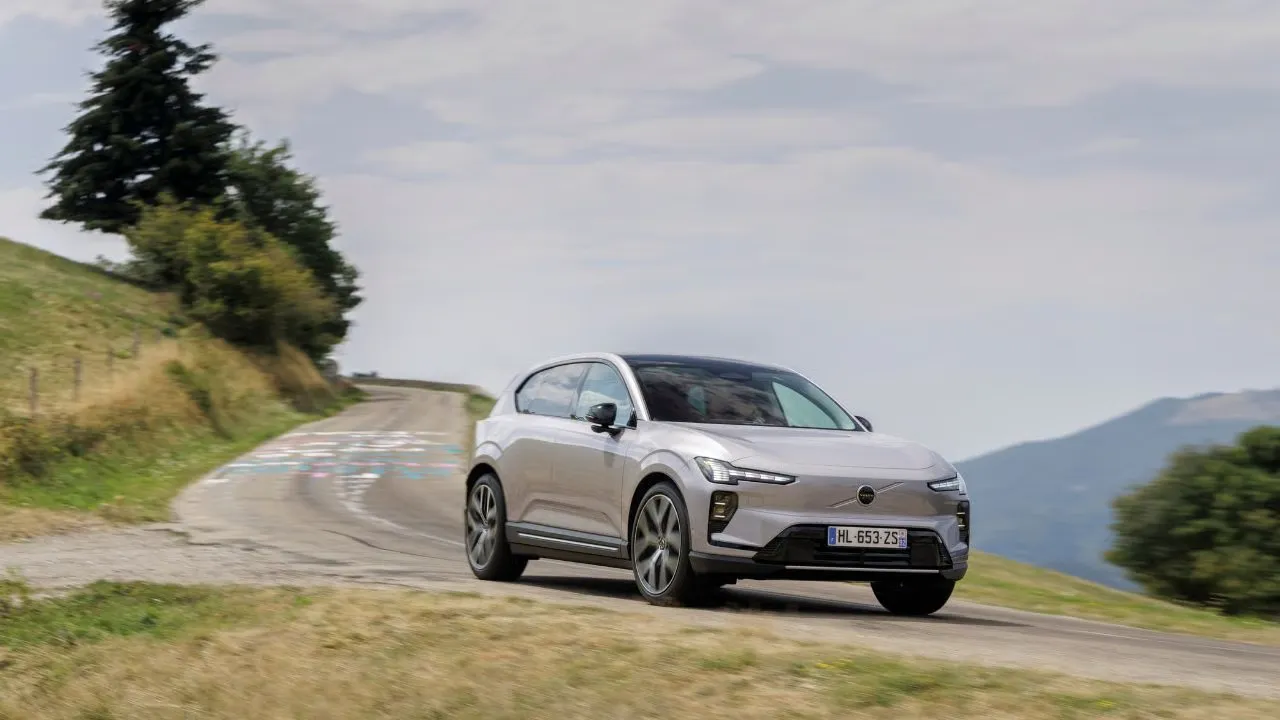
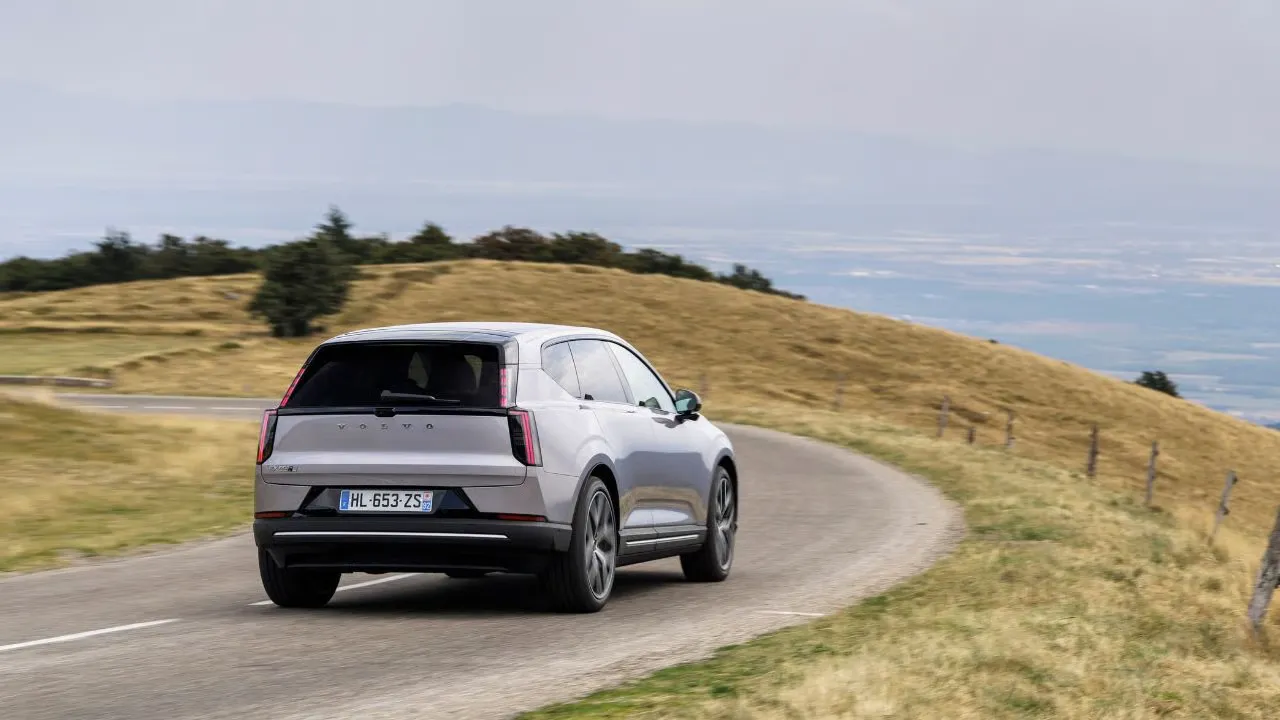
An additional anecdotal note for the hexagonal driver: fuel consumption stabilizes at 36 kWh per 100 km. I admit I don’t have a point of comparison, but it seems quite reasonable at this cruising speed, which highlights the low Cx value of 0.26 thanks in part to the active vents on the front, the flat floor, and the streamlined door handles. Does this mean an end to the jokes about Volvo’s outdated aerodynamic design?
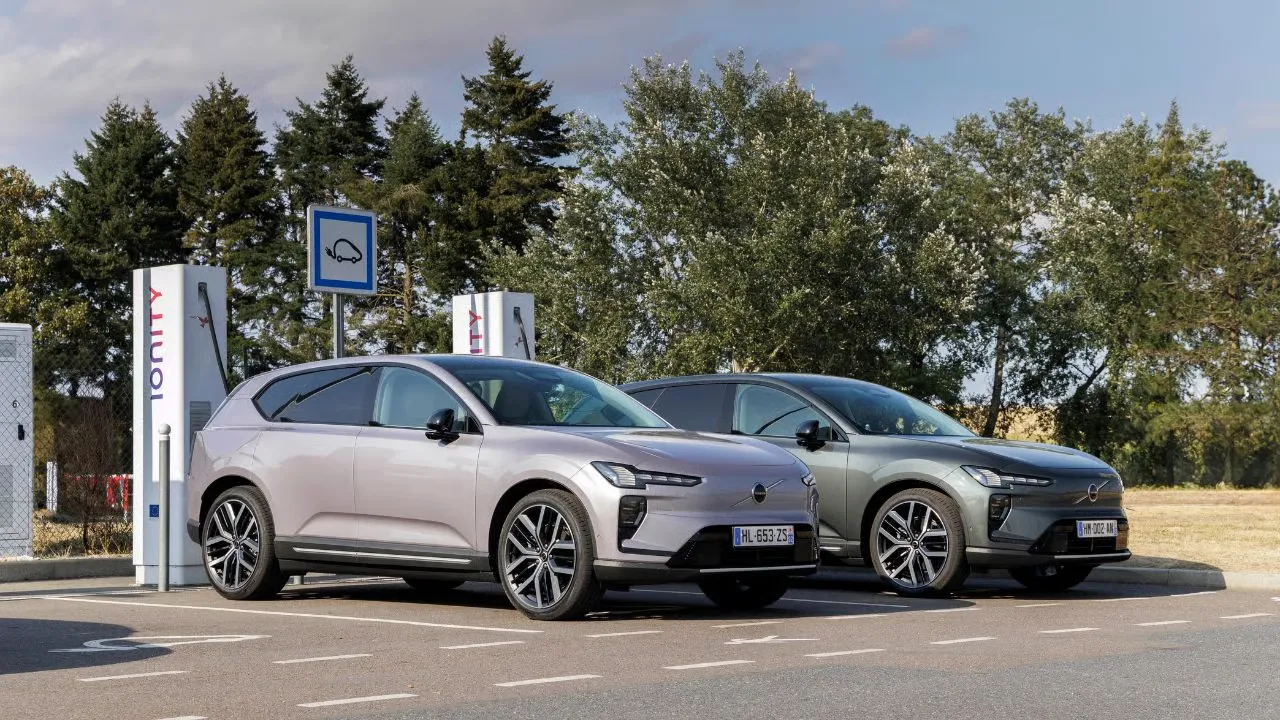
Once the battery level drops to a single-digit percentage, it’s time to head back to the French side to recharge, but first one needs to find a charging station capable of meeting the demands of this EX60. Thanks to sophisticated calculations in which, modestly speaking, I’m highly skilled, I park with 5% battery and a preheated battery in front of one of the brand new Alpitronic HYC400 Ionity stations at the Haut-Koenigsbourg parking lot. After connecting via Chargemap, the charging power soars to 352 kW at just 5%, gradually increasing until reaching the advertised peak of 370 kW at 18%... before continuing to climb to 380 kW at 42%! It drops below 370 kW at 47%, and the power declines to 113 kW once 80% is reached. The total time for the charge was 17 minutes and 10 seconds, with consistent high charging power.
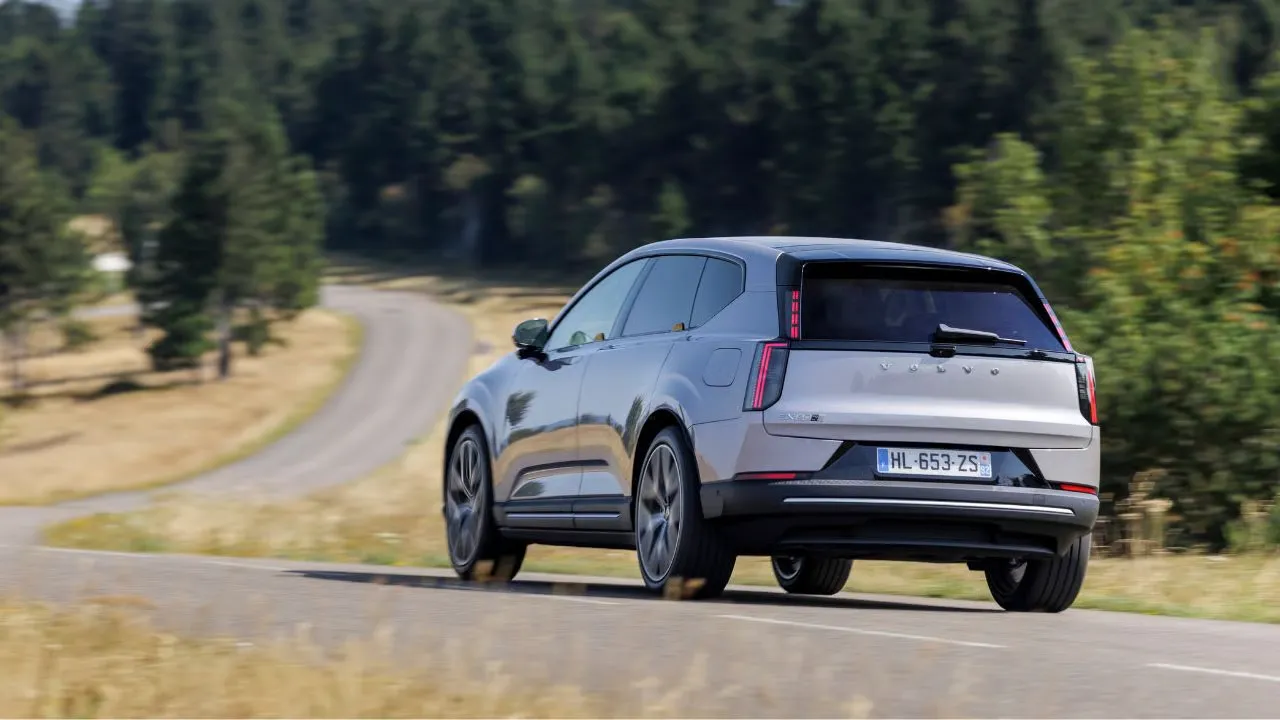
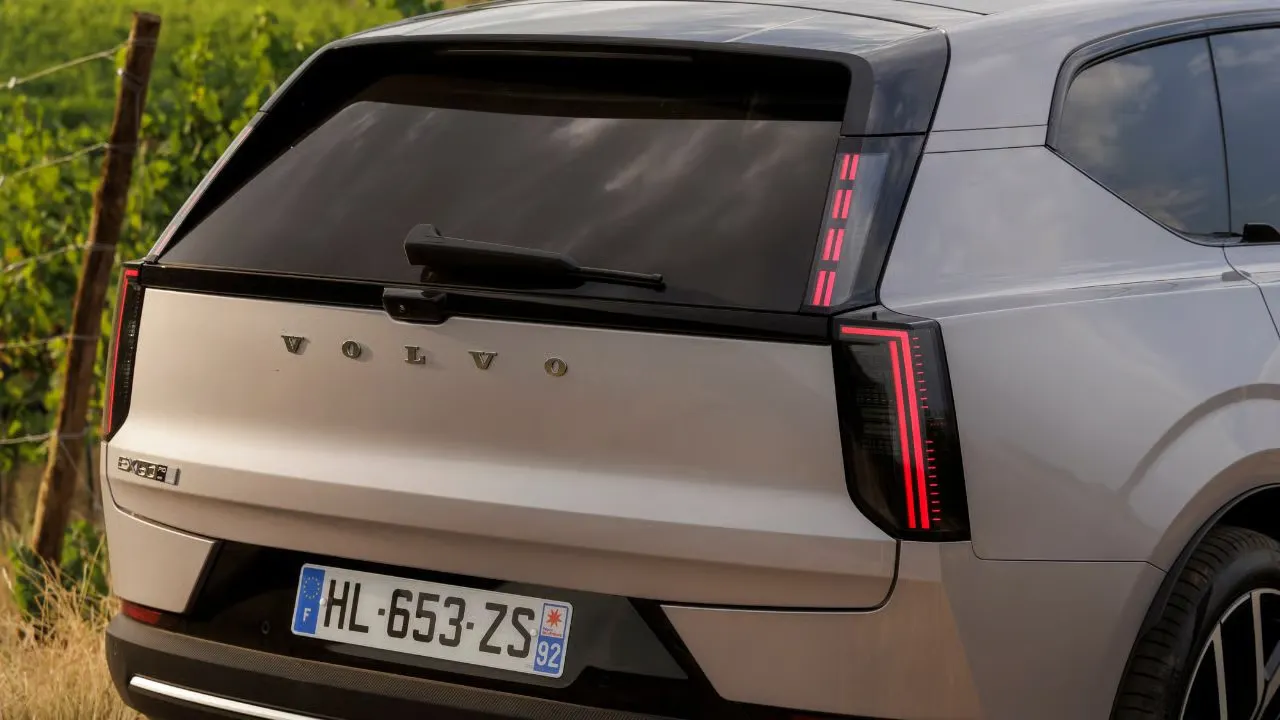
The average is 245.28 kW. And, if we isolate the 10 to 80% range, we get exactly 16 minutes, down to the second, as stated in the technical specifications. Here is the curve for a full charge.The mission is accomplished, so we can now take a moment to appreciate the design of this EX60, whose Volvo heritage is undeniable given the strong aesthetic ties, from the vertical tail lights to the diagonally split grille. The overall design appears elegant and sleek for its class, but exactly which class is that? Does it derive its style from belonging to the SUV segment or the station wagon category? The debate is ongoing, with answers varying depending on the perspective. The existence of a Cross Country version with a more rugged appearance already allows it to avoid the ever-present issue of unpainted fender extensions, which is an excellent way to reduce weight on the sides. This is further aided by the original wing-shaped door handles located at the bottom of the windows, which are much more convenient to use than those that protrude outward.
The interior maintains this minimalist atmosphere, featuring a bright and spacious cabin, a steering wheel that stands out for its small diameter and thin rim, as well as a dashboard that has been given a “Precious Water” treatment due to the scarcity of buttons. Too few? While navigating the built-in Google services is familiar, it takes some time to locate the various functions within the Volvo interface, from adjusting the steering column to checking fuel consumption figures.
It does have the advantage of providing plenty of space for various storage items, where it’s easy to lose your phone (ask me how I know). To wrap up this chapter, the 523 liters of trunk space falls within the average for competitors, plus an additional 58 liters from the frunk.
Let’s head back to the Vosges and its winding roads. The EX60’s 510 horsepower allows it to easily overtake trucks, and its active chassis adapts to enable high speeds in corners. Yet this Volvo is truly appreciated during leisurely drives with the arm resting on the door, enhanced by its excellent standard Bose audio system with 21 speakers. Passing through picturesque villages is made possible by its flawless handling, thanks to a pedal adjustment with two levels.
There is one final figure to determine: a consumption rate that approaches a mixed cycle by combining highway driving, road driving, and city driving with speed limits. This was achieved on the return trip to Strasbourg, with the dashboard showing an average of 16.2 kWh/100 km, a value close to the estimated one.
Also read
Test drive – Between the Renault Megane and the Volvo EX30, the dealership experience tipped Andrea’s choice.
Let’s conclude this brief overview with the pricing. The Volvo EX60 in this P10 AWD version starts at just under 70,000 euros, specifically 69,500 euros, in the Plus trim with already quite comprehensive equipment, and reaches 76,400 euros for the top-tier Ultra version. This places it below the usual German premium competitors, despite its overall competitive specs, as shown in the summary table below. Among other potential rivals is the Zeekr 7X Privilege AWD at 62,990 euros, which we still need to test to determine if it deserves a spot in this selection.
Volvo EX60
P10 AWD
BMW iX3
50 xDrive
Mercedes
GLC 400
Audi Q6
e-tron
Price (starting from)
69,500 €
72,950 €
73,400 €
76,950 €
Length / Height
4.80 m / 1.63 m
4.78 m / 1.63 m
4.84 m / 1.64 m
4.77 m / 1.68 m
Wheelbase
2.97 m
2.89 m
2.97 m
2.88 m
Trunk Capacity
523 liters
520 liters
570 liters
526 liters
Front Trunk Capacity
58 liters
58 liters
128 liters
64 liters
Power
510 hp
469 hp
489 hp
428 hp
0 to 100 km/h
4.6 s
4.9 s
4.3 s
5.4 s
Operating Weight
2,350 kg
2,360 kg
2,535 kg
2,425 kg
Towing Capacity
2,400 kg
2,000 kg
2,400 kg
2,400 kg
Raw Battery Capacity
95 kWh
108.7 kWh
94 kWh
100 kWh
WLTP Range
660 km
805 km
713 km
652 km
Combined Fuel Consumption
15.7 kWh/100 km
15.1 kWh/100 km
14.9 kWh/100 km
16.6 kWh/100 km
DC charging power
370 kW
400 kW
330 kW
270 kW
10 to 80% at DC
16 minutes
21 minutes
22 minutes
22 minutes
AC charging power (series)
22 kW
11 kW
11 kW
11 kW
We will definitely conduct a more thorough test of this promising Volvo EX60, including evaluating its driving assistance features, in the coming months.