
Spain has over 52,000 public charging stations, with fast chargers seeing the fastest growth.
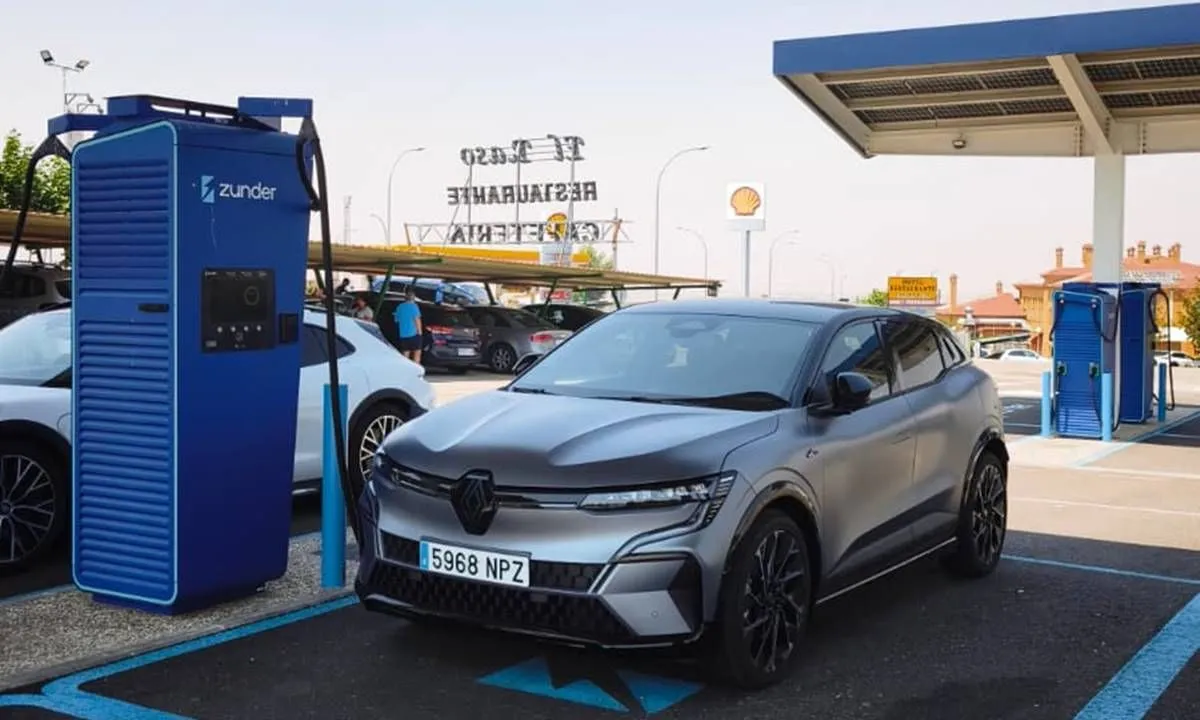
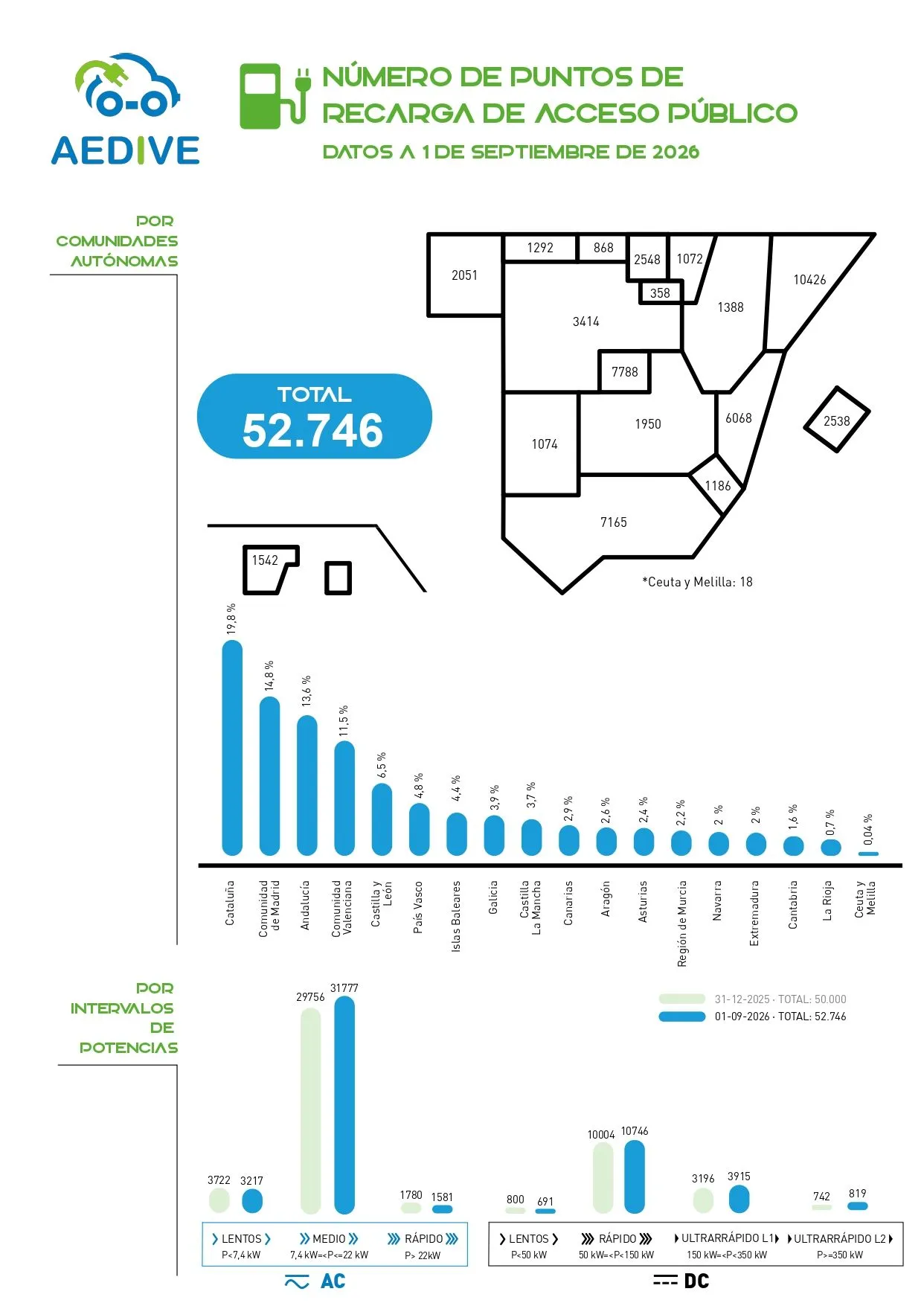
After a very slow start, Spain’s fast charging network is growing significantly. According to the latest data collected by AEDIVE, Spain now has 52,746 operational public charging points. This figure, from a photo taken on September 1, 2026, represents a 5.49% increase compared to the 50,000 points recorded at the end of 2025.
This figure comes alongside a significant change in how infrastructure is counted. AEDIVE has tightened its criteria for identifying which points are actually operational, removing duplicate entries, inactive installations, and operators who fail to keep their information up to date. As a result, although nearly 57,000 points were counted during the summer, the new total stands at 52,746.
This move does not mean that Spain has lost thousands of charging points; rather, it reflects a purification of the network to provide an image closer to the infrastructure that drivers can actually use. At the same time, data shows that expansion continues especially in high-power chargers, which are most important for long-distance travel.
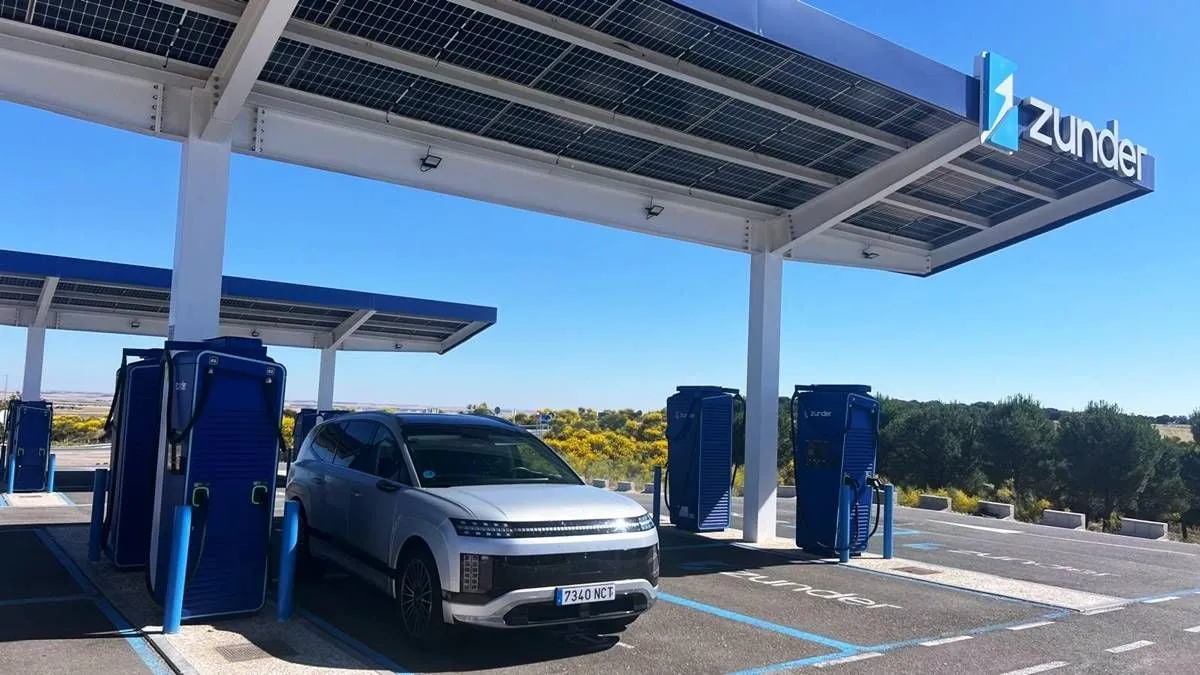
The growth is particularly significant in locations capable of delivering over 150 kW. Chargers with more than 350 kW have increased by 10.38%, while those between 150 and 350 kW have grown by 22.50%. Meanwhile, chargers between 50 and 150 kW have seen an increase of 7.42%.
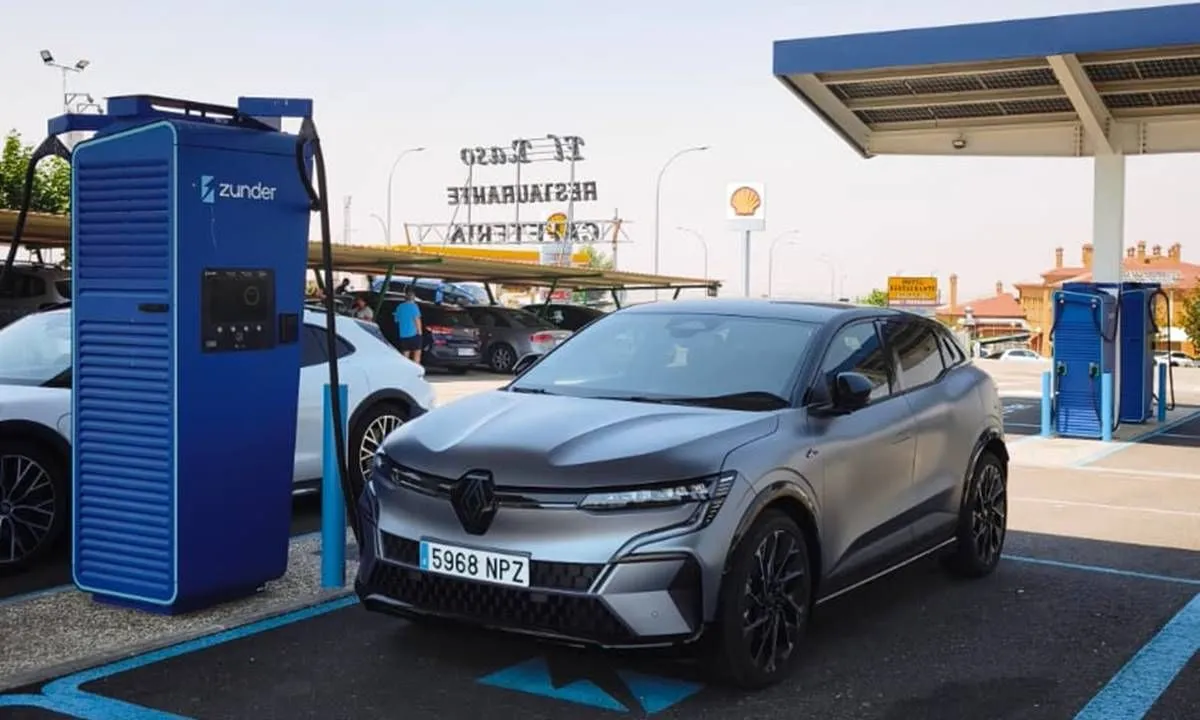
The geographical distribution remains quite uneven. Catalonia, Madrid, Andalusia, and the Valencian Community account for nearly 59% of all public charging points in Spain, leaving the other autonomous communities with a significantly smaller share of available infrastructure.
The change becomes even more apparent when examining the trends in the first half of the year. During that period, charging points with capacities between 50 and 150 kW increased by 22.14%, while those with capacities between 150 and 350 kW grew by 26.85%. Charging points with capacities over 350 kW experienced the highest increase, at 19.95%.
The trend is important because the total number of charging points alone tells less and less about a charging network’s actual capacity. A low-power charging point can be considered equivalent to one capable of delivering several hundred kilowatts, even though the service capacity they offer differs significantly.
AEDIVE therefore believes it is necessary to supplement the number of charging points with other indicators such as installed capacity, the number of high-power chargers, their actual availability, and their geographic distribution. This is particularly relevant now as the fleet of electric vehicles continues to grow, requiring public charging networks to handle an increasing number of charges.
The association itself explains that the infrastructure is gradually shifting toward higher power outputs, and that the total number of connectors is no longer sufficient to measure the development of the network. The goal is to have more points that are actually operational and, most importantly, capable of providing fast and reliable charging when drivers need it.
This issue becomes even more important given Spain’s historical problems with charging stations that were installed but remained out of service, pending connection, or had outdated information. For a driver, a charger that appears on paper but cannot be used at that moment has little practical value.
A new way to measure the charging network
AEDIVE has taken advantage of this update to modify its methodology and adapt it to the criteria set by the European AFIR regulation regarding alternative fuel infrastructure. The association has incorporated reference databases from the European market and tools for analyzing large volumes of data to cross-check and validate information provided by operators.
The goal is to make Spanish figures comparable to those used in Europe through the European Alternative Fuels Observatory, known as EAFO. The process has also been coordinated with charging operators and Red Eléctrica for the development of the REVE map.
From now on, AEDIVE will only count the points that are active at the exact moment data is collected. This introduces a significant difference from previous statistics, as the number may rise or fall from month to month even if the overall trend of the infrastructure remains positive.
A station that is temporarily out of service due to a malfunction or maintenance will no longer appear as operational in that snapshot. Changes can also occur when a point is moved to a different power range, when an operator modifies their installations, or when records that no longer represent available infrastructure are removed.
Therefore, the upcoming AEDIVE statistics may show fluctuations both upward and downward without necessarily indicating that thousands of charging points are being installed or removed from one month to the next. The new methodology aims precisely to prevent a simple count from creating a distorted picture of the actual situation.
This change comes at a particularly important time for Spain. The growing sales of electric cars are increasing the need for a larger public charging network, as well as infrastructure capable of handling long-distance trips. It is of little use to have tens of thousands of charging points if a significant portion of them are unavailable or do not provide the necessary power.
The data available so far point precisely toward that transformation. Spain’s charging network is not only expanding but also gradually increasing the role of high-power stations, which enable significant reductions in downtime during trips.
This is complemented by the new support program announced by the Ministry for Ecological Transition, which provides 150 million euros to develop public charging infrastructure on Spanish roads. The program will build upon the MOVES Charging Corridors initiative and includes measures to add 2,674 new charging points, including new stations and improvements to existing ones.
In other words, the figure of 52,746 points should not be interpreted simply as a reflection of the network’s current size. It also represents a shift in how it is measured, giving more emphasis to whether chargers are actually available and the power they can provide.
For electric vehicle drivers, this is likely a more meaningful development than continuing to accumulate records for the number of connectors. A network that may be slightly smaller in size but with fewer inactive points, higher power capacity, and better information can be far more useful than one with tens of thousands of chargers that aren’t always available when needed.
Source | AEDIVE